ClickFix Attacks Surge Using AI Tools and Chatbots as Lures
Security researchers report a massive surge in ClickFix attacks, with cybercriminals increasingly leveraging artificial intelligence tools, search engines, and trusted chatbot platforms to deceive users.
 Radwan AbdulhadiEditor and technology writer
The Rise and Spread of ClickFix
ClickFix has rapidly evolved into a dominant initial access technique since emerging around 2024, expanding into various sub-techniques including FileFix, InstallFix, TerminalFix, and ConsentFix. Data from Push Security highlights the scale of this expansion, showing that ClickFix detection data surged significantly through Q2 2026, where it overtook AiTM and device code phishing.
While traditional threats heavily rely on email delivery, browser-based security data demonstrates that a substantial portion of these threats bypass email gateways entirely. According to metrics tracking browser attacks, 1 in 2 arrive through channels other than email, such as search engines and social media platforms.
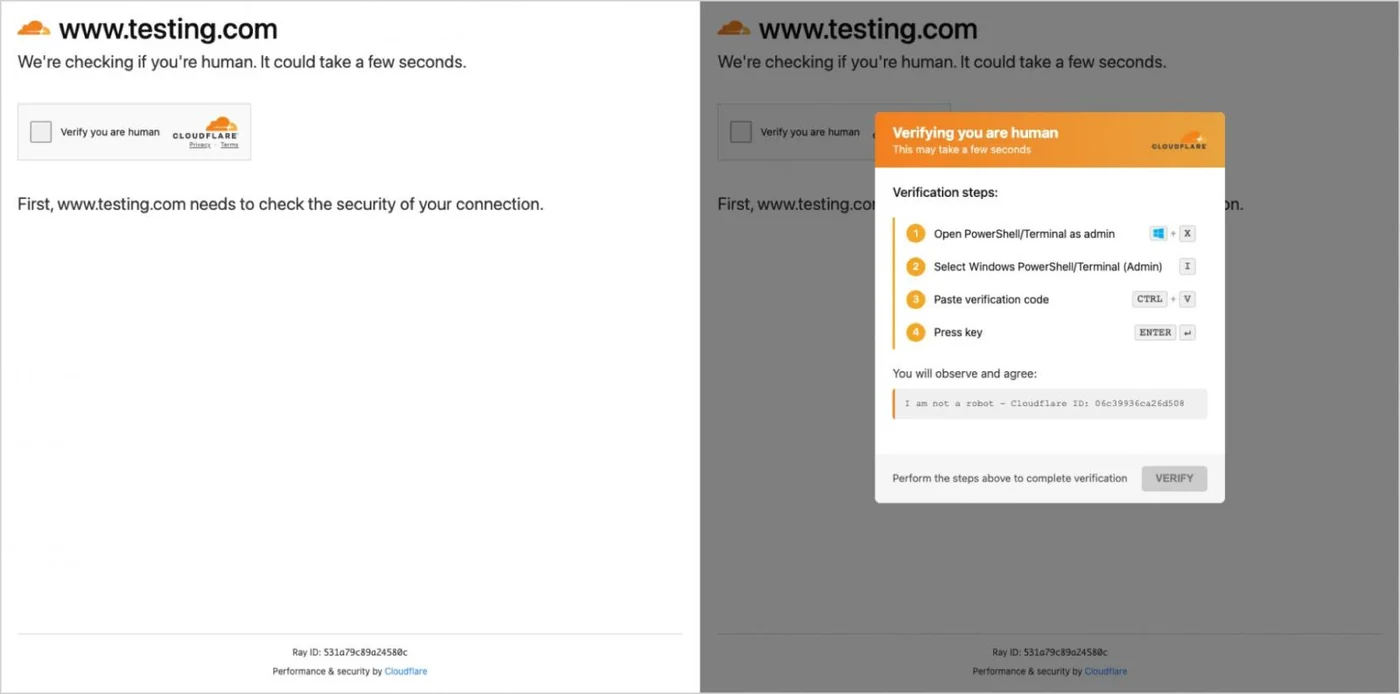
AI Tools as Effective Lures
Cybercriminals have adapted their tactics by targeting individuals searching for and utilizing artificial intelligence tools. This trend blends malicious activity seamlessly with legitimate traffic for approved generative AI solutions. Research from ANY.RUN confirms a heavy focus on AI impersonation, linking numerous public sandbox analyses to fake AI tool campaigns mimicking prominent assistants like Claude and ChatGPT.
The rapid adoption of AI has shifted workplace habits, making terminal installations and web searches for applications common practices. Attackers exploit these routine habits by constructing fake installation pages and malvertising campaigns, which account for a growing subset of recent malicious clusters analyzed across the security community.
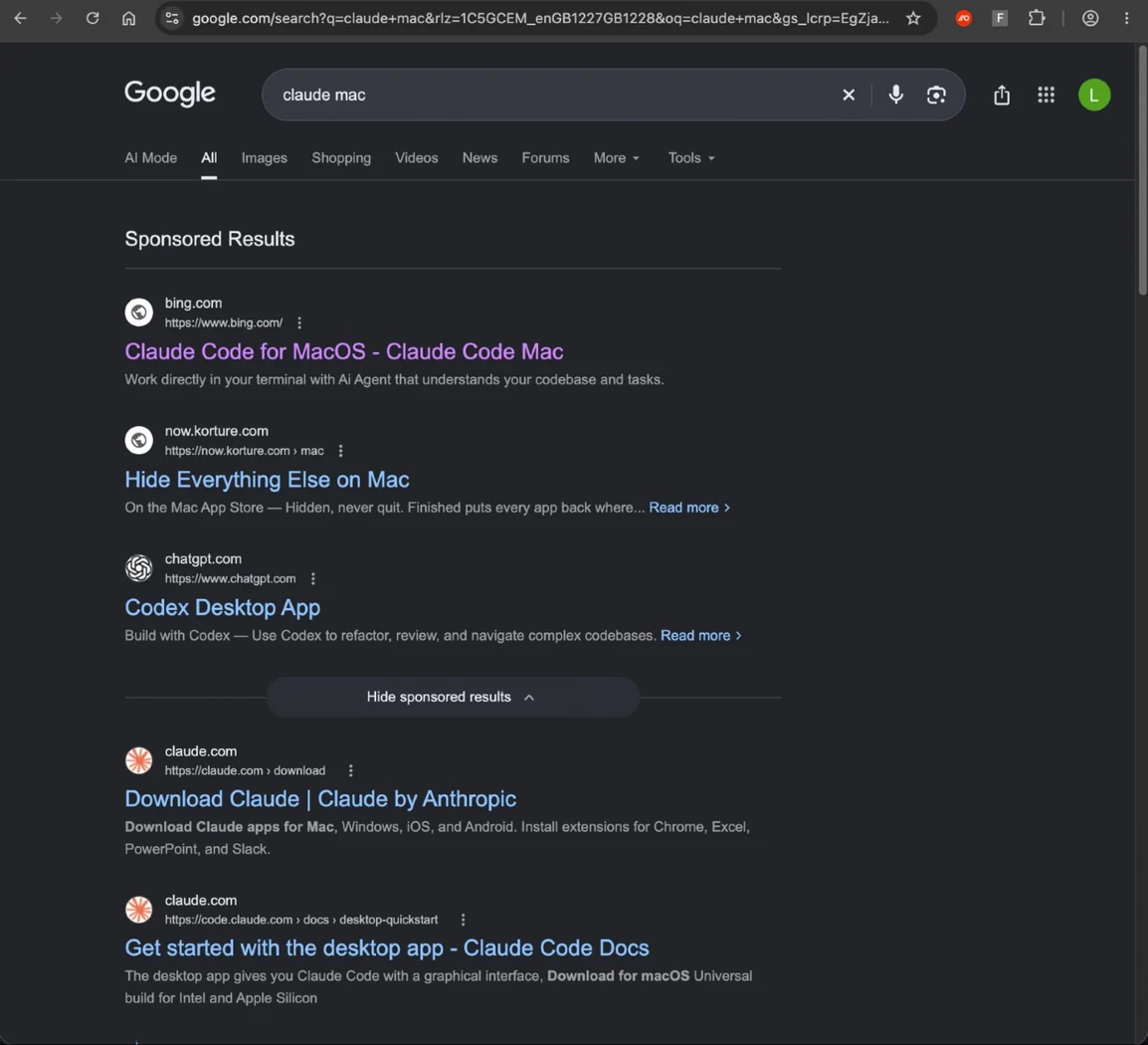
InstallFix and Search Engine Exploitation
InstallFix campaigns rely on cloned installation pages for popular developer tools and utilities, promoted via sponsored search ads. Attackers frequently use layered cloaking techniques, routing victims through legitimate advertising click-tracking redirects and compromised retail websites before landing them on a fraudulent download portal.
These sophisticated pages are engineered to deceive both vigilant users and visual controls by displaying a genuine installation command while substituting a malicious script onto the user's clipboard via the copy button. The executed command often downloads and runs remote scripts directly in the shell without writing to the disk, evading standard file-based endpoint protections.
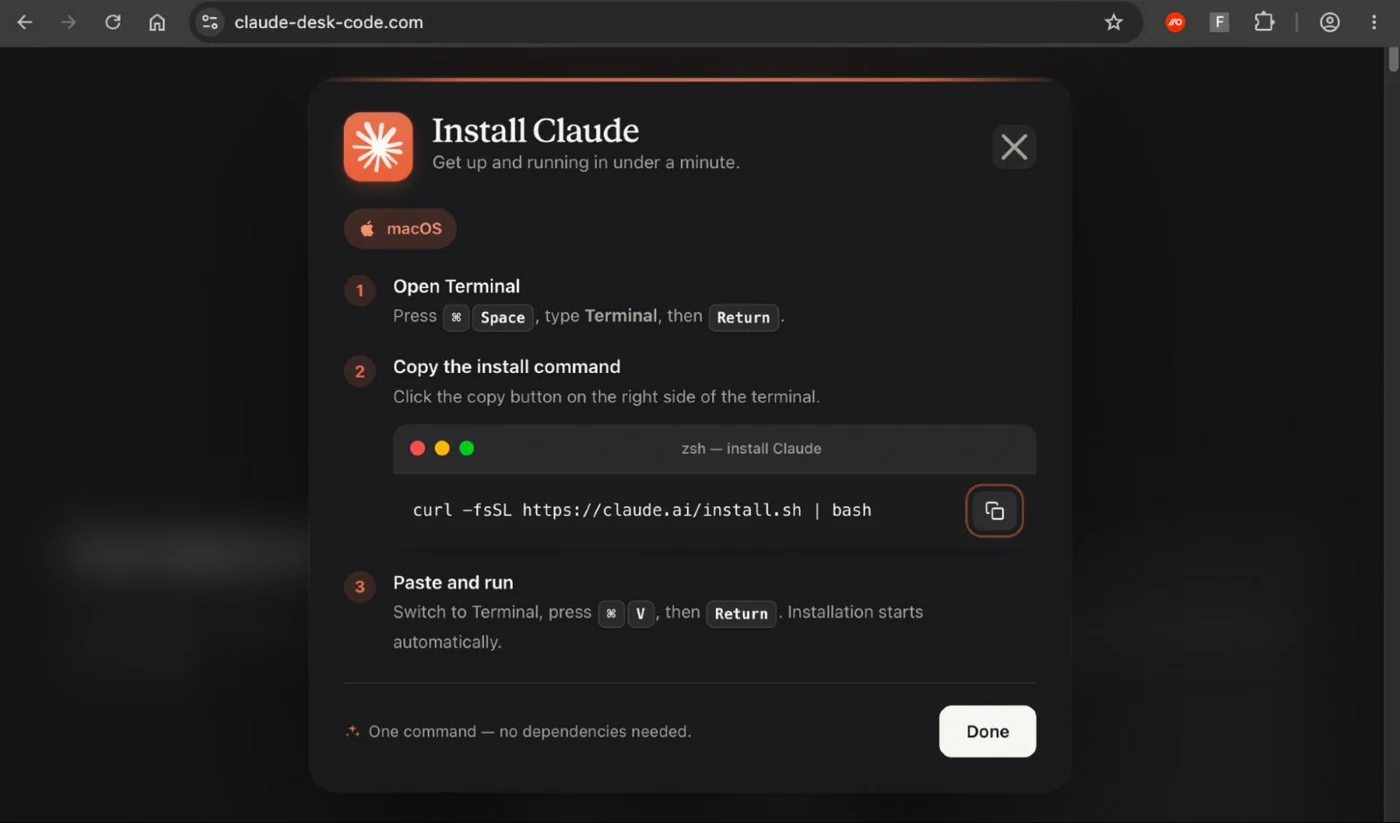
Abusing Chat Platforms Through LLMshare
Another prominent vector involves abusing the sharing capabilities of AI chatbots through strategies like LLMshare. Malicious actors create shared chats and artifacts on mainstream platforms that contain malicious instructions or links to fake download portals, leveraging trusted domains to bypass standard URL reputation checks.
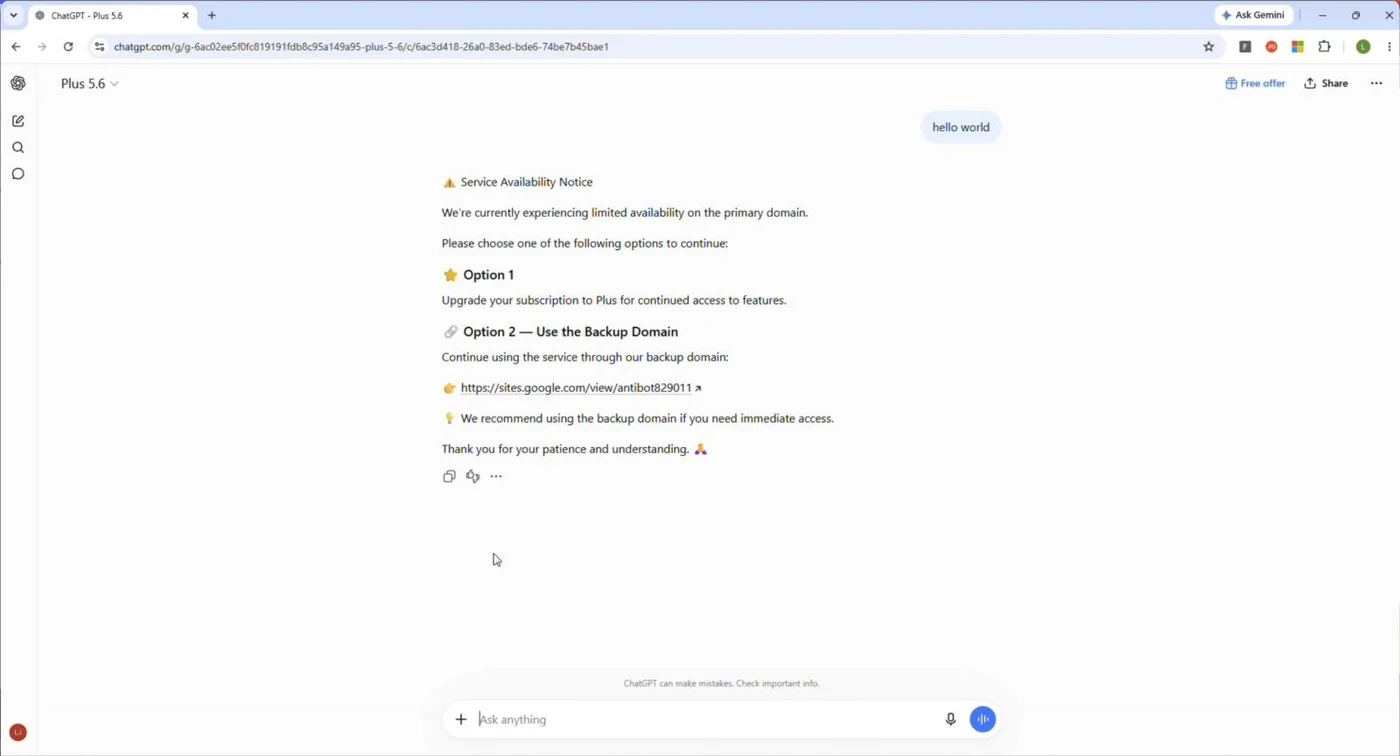
Recent variants have even utilized custom GPTs to converse with users and deliver fake service availability notices or error alerts. These interactive lures guide victims toward malicious external pages while maintaining a convincing facade of normal operation throughout the initial interaction.
Industry Impact and Defense Challenges
Data published in the 2026 Digital Defense Report underscores the rapid escalation of these campaigns, noting exponential growth in attack volume and a high conversion rate of intrusions leading to successful malware execution across unique enterprise devices.
Because ClickFix campaigns utilize trusted domains, compromised mainstream websites, and decentralized storage solutions like public blockchain smart contracts for configuration data, traditional email security gateways and basic blocklists struggle to intercept them. Organizations looking to secure their endpoints can perform targeted evaluations to understand their exposure to these evolving browser-based attack vectors.
Sources
- BleepingComputerClickFix has never been bigger, and AI tools are its most convincing lure yet
Continue chronologically

Related entity coverage
Related stories
Hackers Abuse Google Ads and Bing to Push Fake Claude
Security researchers reveal a new malvertising campaign abusing Google Ads and Bing redirects to deliver ClickFix attacks via fake Claude installers.
OpenAI Launches Office Features to Challenge Microsoft
OpenAI expands into workplace software at DevDay, introducing ChatGPT features like Space, Pages, and collaborative slides to compete with Microsoft.

3 Ways AI Agents Operate Inside Your Browser
Examine three distinct methods AI agents use to operate inside browsers, and learn why traditional security tools struggle to track their actions.

Anthropic Files S-1 Prospectus for Nasdaq IPO
Anthropic has filed its S-1 prospectus with the SEC to list on Nasdaq under the ticker ANT, detailing financials, risks, and compute deals.