Symbotic’s Walmart Growth Highlights Anchor Customer Risks
Examining Symbotic’s heavy financial reliance on retail giant Walmart provides critical lessons for robotics startups balancing scale against customer concentration.
 Radwan AbdulhadiEditor and technology writer
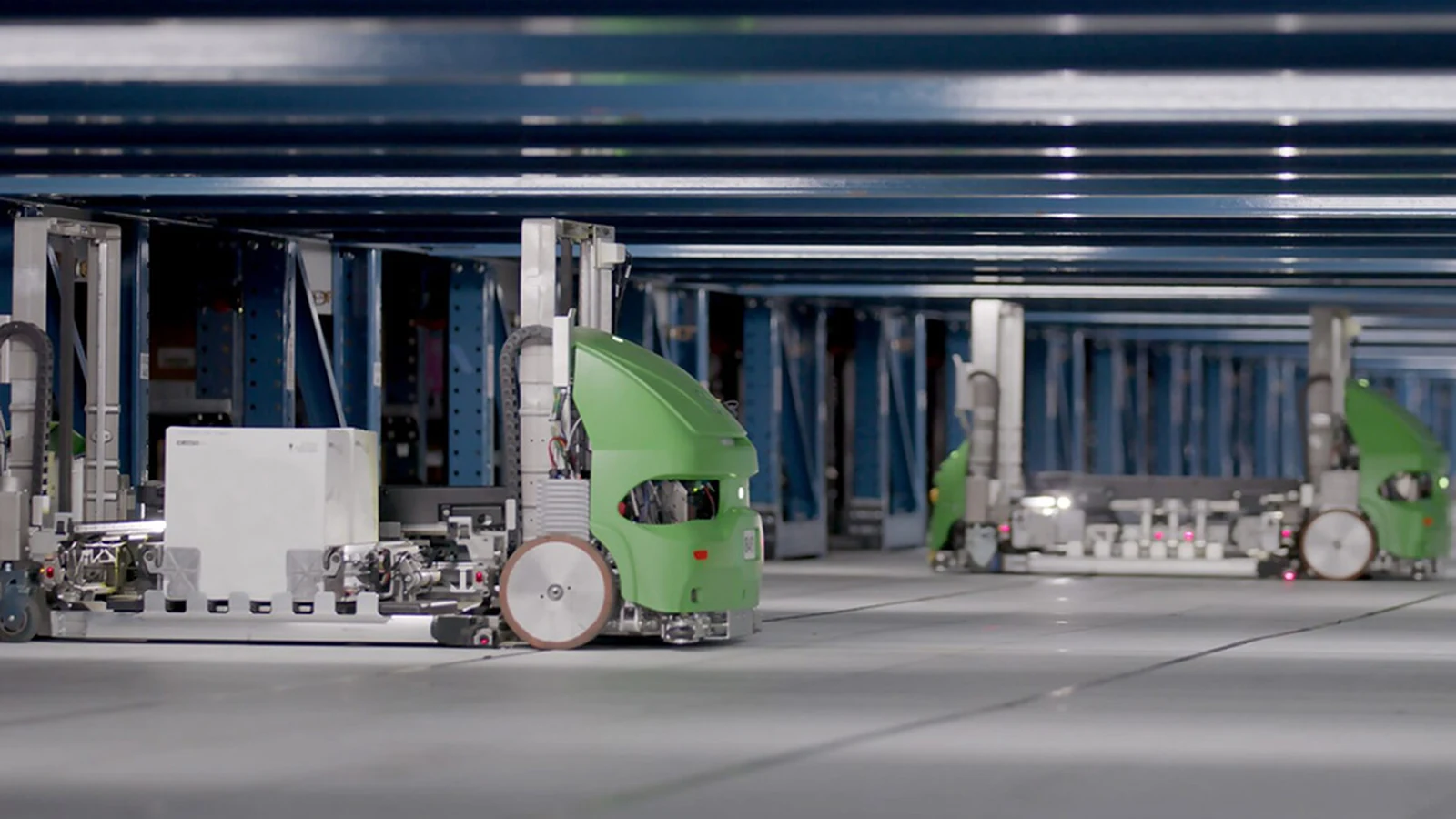
The Scale and Concentration of Customer A
Recent financial disclosures highlight the immense financial impact of a single major client on automation providers. Symbotic’s recent quarterly filing lists its largest customer, together with affiliates, as “Customer A,” and the annual report names that customer as Walmart. Customer A supplied 90.5% of revenue in the quarter that ended June 27, 2026. Symbotic reported $720.8 million in revenue and $55 million in net income for the same quarter, continuing a pattern observed in earlier profits.
Few robotics companies have managed to turn one demanding partner into a business of this magnitude. However, analysts note that the quarter also included $19.4 million of investment gains and negative non-GAAP free cash flow, indicating that a single quarter's profit cannot entirely settle whether leaning so heavily on Walmart has paid off long-term. For startup founders deciding whether to sign a second customer soon, a massive percentage share tells only part of the story regarding the actual cost of serving another account.
Contractual Safeguards and Restraints
While Symbotic depends heavily on its primary retail partner, the relationship is governed by rigorous contractual terms designed to protect the buyer. The 2022 master automation agreement grants Walmart continuity rights, including the ability to embed engineers with Symbotic and access technical material held in escrow under specified conditions. The 2025 agreement for Walmart’s store-level Accelerated Pickup and Delivery (APD) systems extends these protections further.
During the APD build-out, the contract also caps how many comparable APD systems Symbotic can sell to each outside customer every year. Public filings do not indicate whether Walmart has ever tested these rights, meaning they function primarily as preparation rather than a proven fallback. When the APD deal closed in January 2025, Walmart committed $520 million of development funding.
In the same transaction, Symbotic paid Walmart a $200 million base price for its robotics business and agreed to two possible milestone payments of $175 million each. While Symbotic secured funded development and the prospect of a massive rollout, it accepted specific delivery obligations and sales limits affecting other accounts.
Operations and Field Deployment Realities
Operations-heavy robotics companies face significant scaling hurdles as they add customers, especially before deployment routines are fully established. Symbotic reported approximately 2,000 employees at the end of fiscal 2025, with roughly half stationed at customer sites to install, commission, and maintain its automated systems. The company also brings in third-party contractors as operational demands require.
Under its standard operational model, Symbotic runs a newly deployed system for a limited time before transitioning daily operation over to the customer. Because field teams simultaneously service running systems and new deployments, measuring the precise labor overhead required for an additional site remains complex. Nevertheless, these logistics demonstrate how deeply connected the business remains to the physical locations where the hardware is installed.
Diversification Efforts and Backlog Composition
To reduce single-customer vulnerability, Symbotic has broadened its customer base through collaborative structures and joint ventures. Exol, its warehouse-as-a-service venture established with SoftBank, accounted for $11.6 billion of the company's $22.5 billion backlog as of June 27, 2026. Symbotic owns 35% of Exol and assists in funding its ongoing build-out.
Walmart de México, another newer customer account, is majority-owned by Walmart. While Exol allows clients to utilize Symbotic’s technology without an outright purchase, and Walmex extends a proven retail relationship into a new geographic market, both channels remain partially tied to decisions made by the primary partners involved. Consequently, the expanding customer list carries slightly less independent demand diversity than its total length might initially suggest.
Deployment Timelines and Future Outlook
Deploying advanced automation infrastructure requires patience, as a new Symbotic customer often takes up to two years to go live. Management stated in 2023 that its strategic goal was to add one or two new customers annually, reflecting a historical timeline of roughly 24 months from a signed statement of work to final system acceptance.
Recent adopters illustrate this pacing. Medline signed an agreement in late fiscal 2025 with a planned pilot in 2027, Associated Wholesale Grocers announced a project in March 2026 targeting operations by late 2027, and Associated Food Stores announced its agreement in May 2023 with its first phase running by February 2025. Because system revenue is typically recognized as costs are incurred once acceptance is reasonably assured, revenue can begin long before a site actually goes live.
As the broader robotics industry matures, market observers expect strategic buyers to continue demanding rigorous contractual controls. Startups entering the warehouse and humanoid robotics sectors will likely encounter similar protective terms as enterprise customers seek to mitigate deployment risks.
Sources
- The Robot ReportWhat Symbotic’s Walmart growth teaches robotics startups about anchor customers
Continue chronologically

Related stories
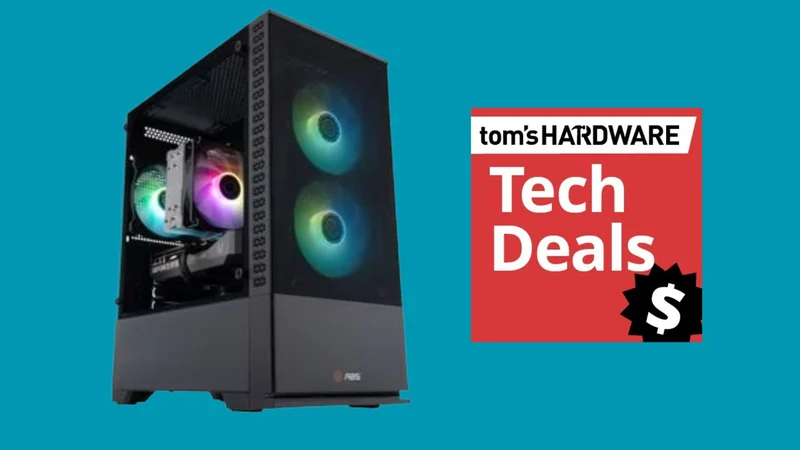
Walmart Deals: ABS Cyclone Aqua Gaming PC Now $849
Save $350 on the entry-level ABS Cyclone Aqua gaming desktop at Walmart, featuring an RTX 5060 graphics card, Intel processor, and a 1TB NVMe SSD.
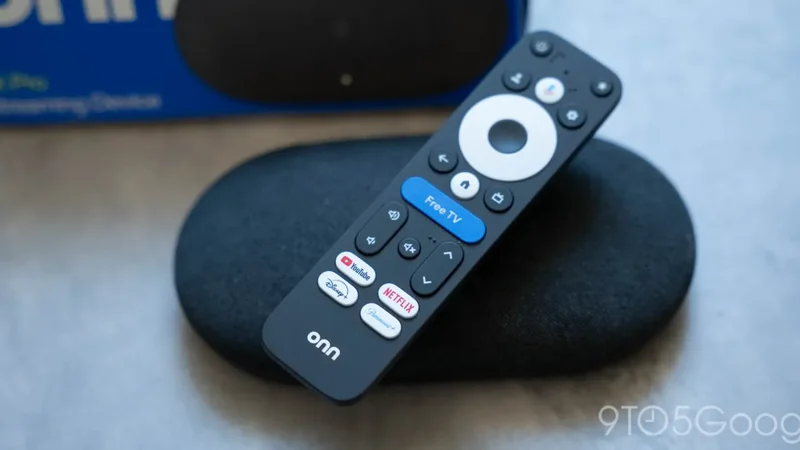
Walmart Onn 4K Pro Streaming Box Offers $60 Value
Walmart's $60 Onn 4K Pro streaming device provides a budget-friendly hardware option as other streaming prices surge across the tech market.
Gigabyte A16 Pro RTX 5070 Ti Laptop Slashed by $700 at Walmart
Walmart has cut $700 off the Gigabyte A16 Pro gaming laptop, featuring an RTX 5070 Ti and Intel Core 7 240H, available now for $1,449.
Websites Are Blocking AI Agents From Accessing the Web
Websites and financial institutions are increasingly blocking AI agents from shopping and managing tasks due to security and commercial concerns.