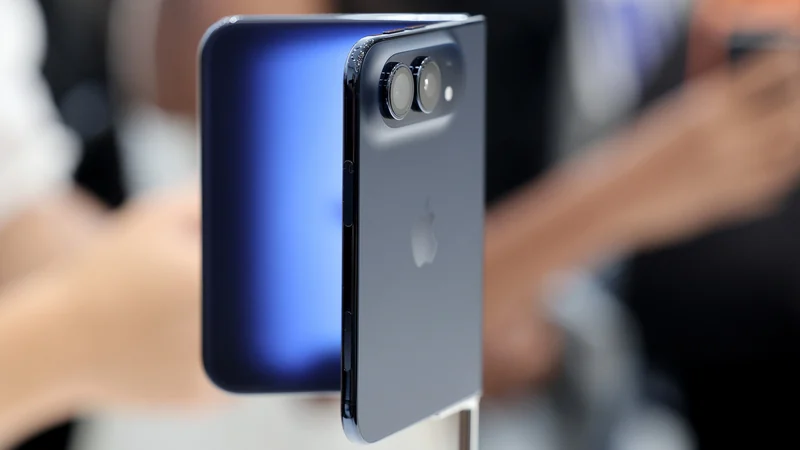
Pros and Cons of Importing Foreign Phones to the US
Importing a smartphone from another country can grant access to unique hardware and features unavailable domestically, but buyers must navigate several potential technical and logistical hurdles.
 Radwan AbdulhadiEditor and technology writer
Exploring International Smartphone Options
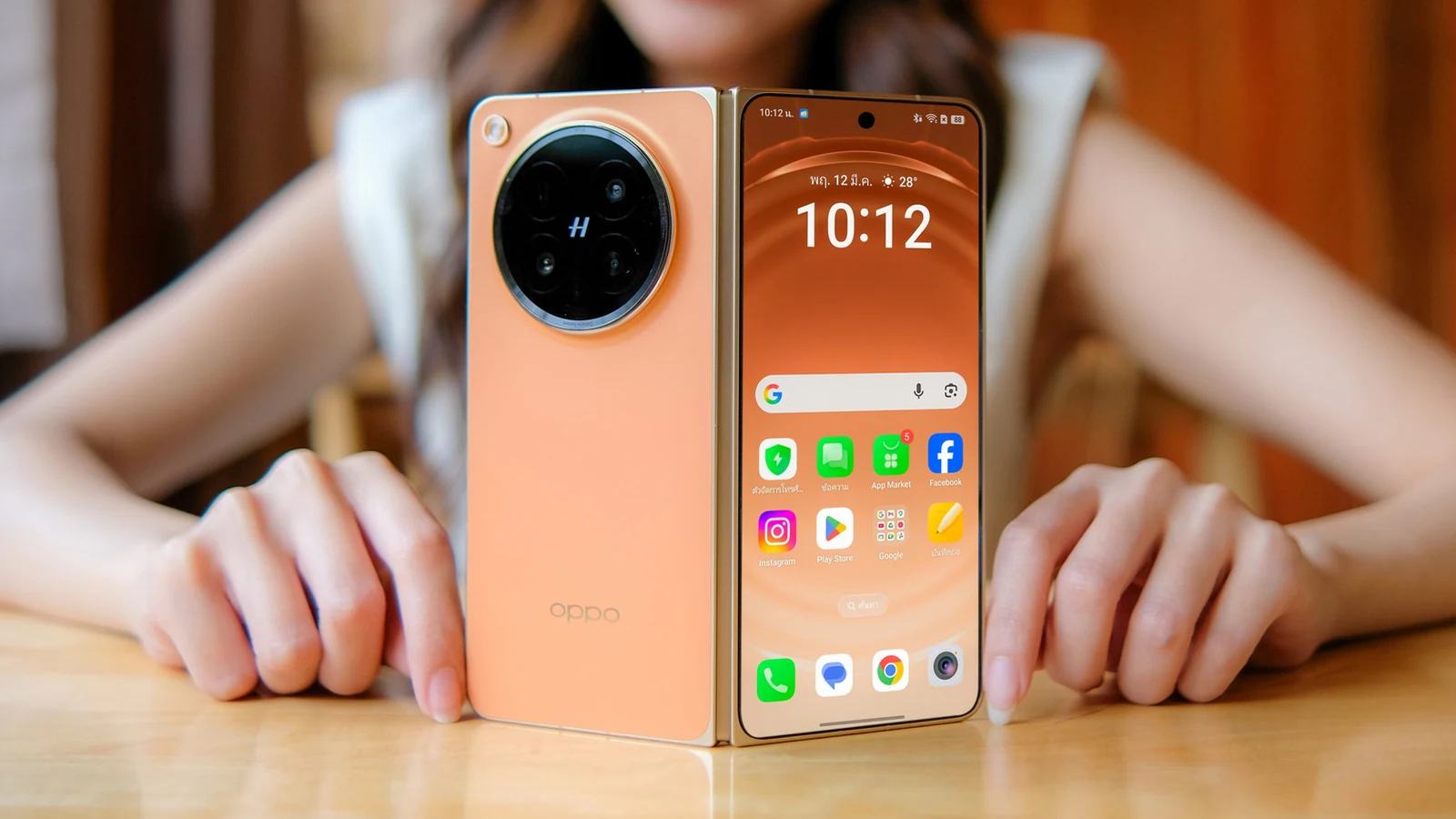
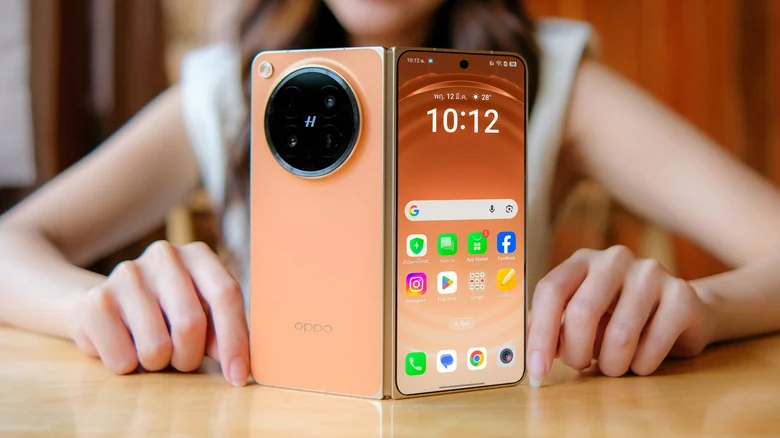
While there are plenty of smartphone options to choose from in the US ranging from the iPhone to the Pixel, consumers looking for unique designs often turn to international markets. Devices like Xiaomi's foldables, Honor's Magic series, and OPPO's Find X phones offer distinct features that are rarely seen in American retail stores.
Importing a phone from abroad gives buyers far more choices than sticking strictly to domestic models, opening the door to exciting products from various international manufacturers. However, bringing a device across borders requires careful consideration of potential trade-offs regarding compatibility and support.
Network Compatibility and Carrier Limitations
Although buying an imported phone has become simpler in recent years as more devices are built for global cellular bands, compatibility issues can still arise. Prospective buyers should check whether a candidate phone supports their specific US carrier's frequency bands to avoid being stuck on an LTE network without 5G capabilities.
Carrier-specific functions like Wi-Fi calling, VoLTE, and visual voicemail frequently require individual device certification. Even if an imported phone connects properly to a 5G network, it might lack access to these specific carrier features, and network requirements can shift over time.
Software, Updates, and Regional Services
Software updates for imported Android devices can sometimes be tied directly to specific foreign regions or carriers, requiring owners to perform manual installations. Additionally, certain Chinese models may lack compatibility with Google Play Services, which form a core component of the expected Android experience.
Users may also encounter pre-installed apps and services that are region-specific, irrelevant, or unreadable. Checking community forums such as Reddit can offer valuable insights into how specific imported models perform under real-world US conditions.

Warranty and Customer Support Challenges
Securing official warranty service or customer support within the United States for imported phones can present a major challenge. Because many of these international brands maintain no official corporate presence or authorized repair networks in the country, hardware failures must often be handled through unauthorized third-party repair shops.
Simple repairs for cracked screens or degraded batteries become significantly more complicated when official replacement parts and authorized technical support are unavailable locally.
Hardware Advantages and Unique Form Factors
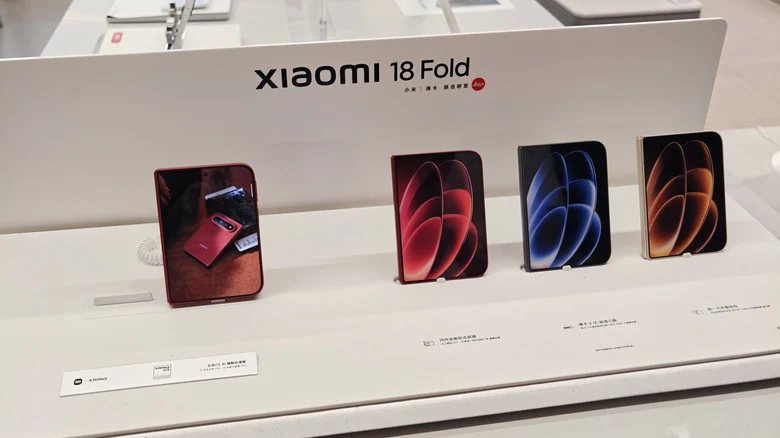
Despite the hurdles, importing offers enthusiasts a chance to acquire cutting-edge hardware ahead of any official domestic release. Chinese manufacturers are currently producing advanced products featuring multi-screen foldables, high-capacity batteries, and camera systems designed to rival DSLR performance.
For example, devices like the Xiaomi 18 Fold deliver competitive specifications and larger batteries compared to alternatives like the iPhone Duo, often at a lower equivalent cost.
Furthermore, many international models continue to support dual physical SIM cards, preserving a hardware trait that most phones sold in the US have already ditched in favor of eSIM.
Sources
- EngadgetThe pros and cons of importing foreign phones to the US
Continue chronologically


Related entity coverage
Related stories
Google Launches the Pixel 11 Pro Fold With Incremental Upgrades
Google has announced the Pixel 11 Pro Fold, featuring a lighter build, brighter display, and updated camera capabilities amidst growing foldables competition.

Finding the Closest Android Counterpart to iPhone 18 Pro Max
Explore which Android smartphones truly compete with the iPhone 18 Pro Max in hardware performance, software refinement, and broad market availability.
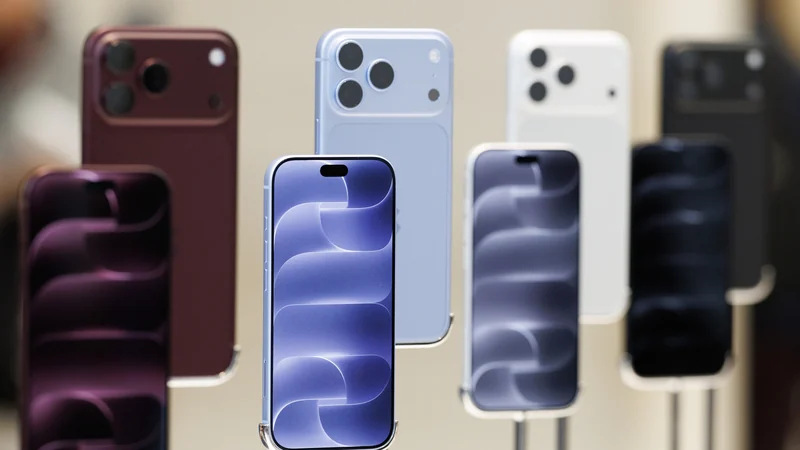
Motorola Prepares to Fill the Gap Left by OnePlus
As Motorola nears the launch of its new flagship device, the company is positioning itself to fill the void left by OnePlus, though pricing remains a notable difference.
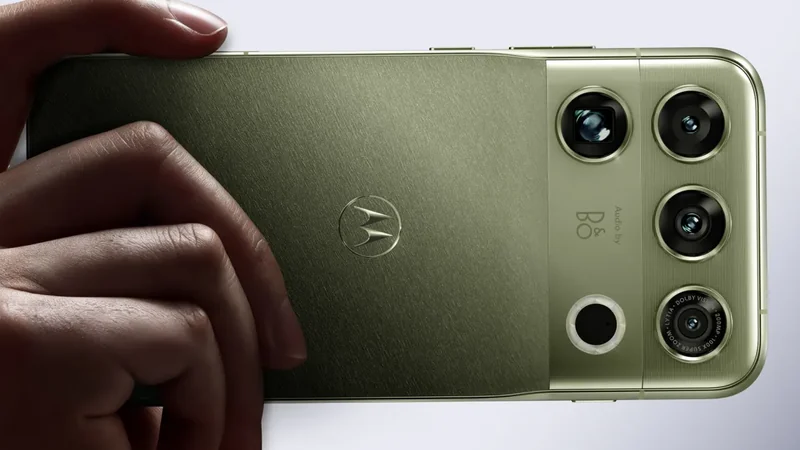
Non-US brands challenge the iPhone Duo with foldables
Explore how Xiaomi, Oppo, Samsung, and Motorola are competing against the iPhone Duo with unique foldable smartphone designs and features.