Huntington Approves Flock Surveillance Despite Backlash
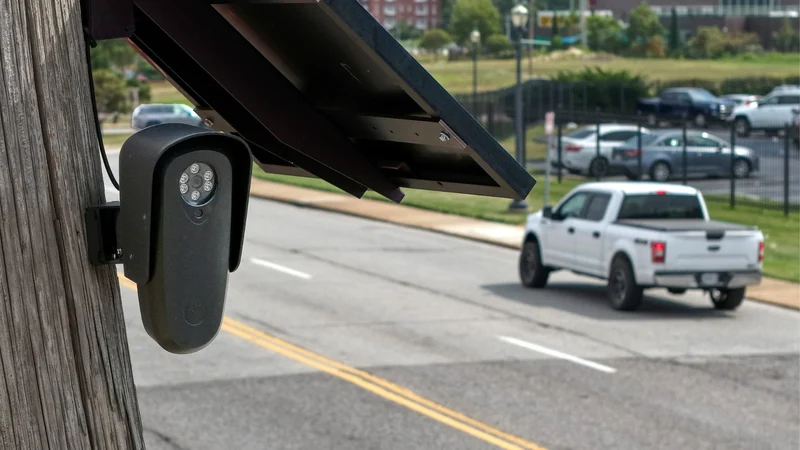
The Huntington City Council voted 6-4 to approve a contract for Flock automated license plate readers following intense public opposition.
 Radwan AbdulhadiEditor and technology writer

The Council Vote on Flock Surveillance
The Huntington City Council narrowly approved resolutions allowing Mayor Patrick Farrell to enter into a business contract with Flock for automated license plate reader technology. The 6-4 vote came after a lengthy meeting featuring extensive public commentary from residents concerned about privacy and government tracking. Prior to the vote, Mayor Farrell defended the technology by pointing to recent criminal investigations, including a case where a suspect in a fatal shooting was tracked across state lines using the camera network.
Mayor Farrell also argued that the surveillance system could have aided investigations into older unresolved cases, such as an unsolved local crime from more than two decades ago when four teens were killed in Huntington on their prom night. Despite these arguments, community pushback persisted both in person and through public outreach leading up to the decision.
Public Opposition and Seven-Hour Debate
During the seven-hour council meeting, dozens of residents from Huntington and surrounding areas voiced fierce opposition to the Flock contract. Speakers argued that the surveillance infrastructure would trample individual privacy rights, subject everyday legal activities to monitoring, and leave citizens vulnerable to surveillance abuse. Some attendees even read excerpts from George Orwell’s dystopian novel 1984 to emphasize their concerns about automated monitoring.
Several council members also questioned the necessity of rushing the vote given the high level of public dissent. Concerns were raised regarding the specific legal language in the proposed contract and whether it adequately protected the city from potential liabilities and lawsuits. When asked if he had spoken with other municipalities that chose to cancel similar surveillance agreements, Mayor Farrell stated that he had not.
Community Context and Previous Tragedies
Huntington is a tight-knit community anchored by Marshall University and characterized by local community resilience. The city has endured multiple historical hardships over the decades, including severe natural disasters such as a series of large floods along the region, alongside industrial and public health crises that have tested local tenacity.
In addition to environmental challenges, the region has been profoundly impacted by the broader public health crisis involving prescription opioids. Public health evaluations, including assessments from researchers, highlighted severe overdose rates across Cabell County, adding deep complexity to local debates over public safety tools and community policing.
Fallout and Subsequent Ballot Initiative
Following the city council's decision, local opposition continued to mobilize against the deployment of the automated license plate readers. Community organizers moved forward with formal actions, initiating a ballot initiative to prohibit Flock cameras within the city limits and aiming to put the surveillance question directly to local voters.
While supporters of the technology continue to argue that automated license plate readers are essential for modern law enforcement and crime reduction, opponents emphasize ongoing privacy risks and broader national concerns regarding police oversight. As the debate moves toward future electoral and administrative challenges, Huntington remains a focal point in the growing national conversation over automated public surveillance.
Sources
- The VergeThe city that fought Flock
Continue chronologically


Related stories
Surveillance Company Flock Cuts Staff Amid Growing Privacy Backlash
Surveillance camera maker Flock is reducing its workforce by 18% as the company faces growing privacy backlash, system misuse, and canceled contracts.

Proton Hosts Flock Camera Map Amid Cease-and-Desist Threats
Privacy-focused company Proton AG has stepped in to host the Flock camera map on Swiss servers, defying legal threats against its creator.
MapQuest Adds Surveillance Layer to Track Camera Locations
MapQuest has released a new app update introducing a Surveillance Layer to map known license plate readers from Flock and other manufacturers.

Savannah Police Officer Fired After Sharing Flock Login With ICE Husband
A Savannah police officer was fired in August after an investigation revealed she shared her Flock login credentials with her ICE agent husband.