Why BioWare's Neverwinter Nights Maintains Active Players
More than two decades after its launch, BioWare's Neverwinter Nights continues to sustain an active community despite its mixed single-player campaign reception.
 Radwan AbdulhadiEditor and technology writer
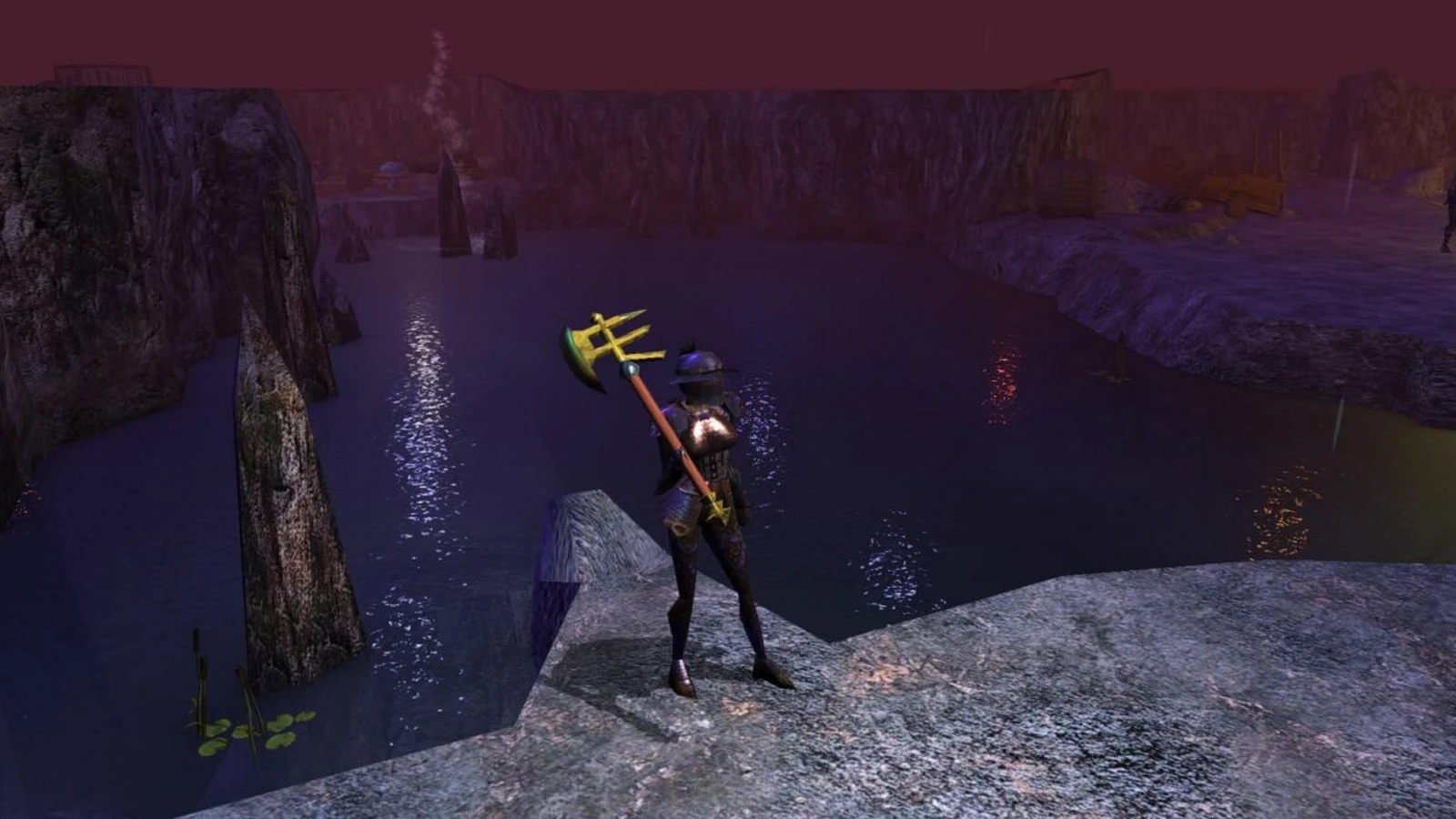
An Unusual Approach to RPG Development
Neverwinter Nights was originally created by BioWare, the studio behind acclaimed role-playing games like Baldur's Gate, Star Wars: Knights of the Old Republic, Mass Effect, and Dragon Age. While the game sold well and received critical acclaim at launch, it has not always been canonized in gamers' minds over the decades in the same manner as its predecessor and successor titles. Further details are available from Ars Technica in the original source material.
Unlike traditional multi-character, story-driven single-player campaigns that BioWare became known for, Neverwinter Nights focused equally on a modding toolset for content creation and multiplayer functionality. Players interested in experiencing the title today can purchase the Enhanced Edition on GOG.
Origins in Tabletop Role-Playing
The design of Neverwinter Nights stemmed from a passion for tabletop role-playing games rather than a calculated attempt to build a modern multiplayer-as-a-service franchise. BioWare developers noted in early interviews that the project served in part as a trial run for exploring massively multiplayer online games, which were considered a major new business opportunity around the year 2000.
However, the development team ultimately recognized that an MMO was more difficult to construct than initially assumed and abandoned that ambition before shipping. Instead, the game was tailored for small communities, featuring tools for virtual dungeon masters to challenge players on live servers.
The Four Pillars of Design
BioWare structured the project around four distinct elements to appeal to various segments of the player base. Ray Muzyka explained the vision to IGN around the time of the release, stating that the studio viewed the design as a table with four supporting legs.
According to Muzyka, those pillars included the single player campaign, the multiplayer mode, the dungeon mastering tools, and the module-making toolset. The studio intended for each component to maintain equivalently high quality, though subsequent evaluations suggested varying degrees of success across those pillars.
Evaluating the Single-Player Campaign
Revisiting the main story campaign, The Wailing Death, highlights how certain gameplay aspects have aged. Unlike party-based systems found in Baldur's Gate or Icewind Dale, Neverwinter Nights restricts the player to controlling a single character directly.
While this setup functions effectively for multiplayer sessions, it creates pacing challenges for solo players relying on specific Dungeons & Dragons rulesets from that era. Certain character classes, such as the monk, offer limited tactical choices during early levels, leading to repetitive combat encounters that contrast with the narrative freedom found in other BioWare classics.
A Resilient Community Legacy
Because only a fraction of the player base deeply engaged with the construction kit or dungeon mastering utilities, the single-player experience often defined the game's broader reputation. Consequently, it did not achieve the exact same pantheon status in mainstream memory as other titles from the studio.
Nevertheless, dedicated players who invested in the toolset and community servers helped sustain a vibrant ecosystem. Longtime community members frequently emphasize that launching the original campaign alone fails to reflect the expansive virtual worlds and persistent worlds that have evolved around the title over the years.
Sources
- Ars TechnicaWhy BioWare's Neverwinter Nights still has thousands of active players
Continue chronologically


Related stories
GOG Explores Reviving Physical PC Game Releases
Digital storefront GOG is exploring ways to bring back physical PC game releases, though the company faces logistical and publisher hurdles.

Why Hardware-Accelerated GPU Scheduling Hurts Cheap GPUs
Tests show that hardware-accelerated GPU scheduling can consume nearly 1GB of VRAM, posing a major issue for 6GB and 8GB graphics cards.
Lenovo LOQ 15 Remains the Best Sub-$1,500 Gaming Laptop
Amid rising gaming laptop prices and industry memory shortages, the Lenovo LOQ 15 stands out as the premier affordable option under $1,500.

How to Disable Unnecessary Windows Background Services for Gaming
Learn which Windows background services you can safely disable to optimize system resources and improve your PC gaming performance.