Best LED Grow Lights for Houseplants This Winter
Shorter winter days do not have to spell trouble for your indoor plants. A selection of tested LED grow lights can help keep houseplants thriving even in dark, windowless corners.
 Radwan AbdulhadiEditor and technology writer
Evaluating LED Grow Lights for Home Use
As summer concludes and natural sunlight wanes, indoor houseplants often suffer in dark corners or basements. However, a quality LED grow light can effectively replicate sunlight by providing full-spectrum illumination and integrated day and night cycles. According to evaluations from WIRED staff, the most important factor for general consumers isn't necessarily specific colored light wavelengths, but rather how easily a grow light integrates into a home environment.
When choosing a home grow light, practical considerations include whether the unit is overly disruptive, requires complicated installation, or poses a tipping hazard for children and pets. For those looking to expand their indoor setup, related guides such as the [Best Indoor Gardening Systems] offer additional equipment insights, while holiday shoppers can explore options via [Best Gifts for Plant Lovers].
Understanding PPFD and Testing Methodology
Photosynthetic photon flux density, or PPFD, measures the amount of light reaching a plant that is usable for photosynthesis, expressed in micromoles per square meter per second. Plants with higher energy needs, such as those producing flowers or fruit, generally require higher PPFD numbers. To standardize measurements across different products, testers measured the PPFD of each grow light at a distance of 18 inches using a light diffuser and the Photone app.
Traditional grow lights were tested under normal residential conditions. Evaluators checked timers, noted whether units were dimmable, measured PPFD levels, and verified whether individual lights could be daisy-chained together for broader coverage.
Compact Options for Small Plants and Seedlings
For starting seeds and supporting smaller houseplants without bulky or fussy setups, simple 15-inch lights provide an efficient alternative. For instance, a magnetic light from Vego attaches to its 3M adhesive mount, allowing it to be easily removed and used on existing racks or under kitchen cabinets. Up to four Vego lights can be daisy-chained together, and the device features five preprogrammed modes with varying intensities and automatic built-in off periods.
WIRED commerce SEO director Stewart Savin utilized these lights to start a garden, achieving 138 successful germinations across 144 seedling cells. Because this specific light mounts beneath a rack, shelf, or cabinet, it lacks inherent height adjustability and is best suited for small plants that do not grow excessively tall.
High-Performance Panels for Fruiting and Flowering
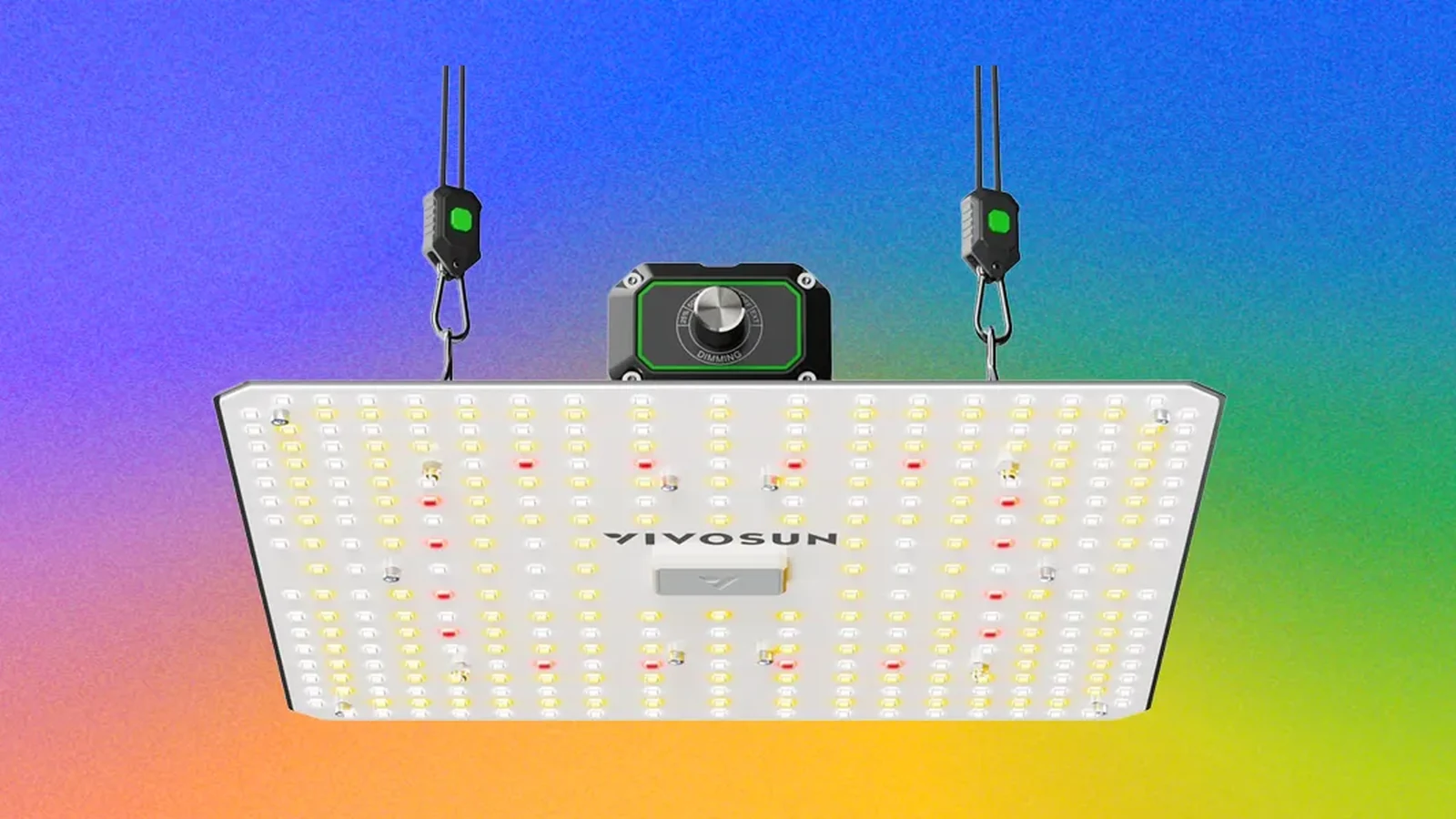
For indoor growers managing fruiting or flowering plants, higher-wattage panels deliver exceptional brightness. Vivosun offers sturdy LumaLight panels designed for serious indoor cultivation. The 100-watt, 12 x 12-inch model weighs 4.4 pounds and requires attachment to the ceiling or inside a grow tent using included adjustable ropes and carabiners.
Because of its intense brightness, this panel may not be ideal for a main living area, though it includes a dimming dial on top. The LumaLight carries an IP65 water resistance rating, and up to seven units can be daisy-chained for extensive coverage.
Versatile Clamp and Stand Models
Alternative designs offer flexible placement using clamps and bendable arms. Former WIRED commerce director Martin Cizmar recommended a model featuring three bendable heads on a clip that attaches directly to tables or shelves. It includes a timer for three, nine, or twelve hours, a 10-foot cord, warm and cool lighting options, full-spectrum capabilities, and 10 dimming modes.
Other tested configurations include broad-headed hanging lights that can swivel on included stands. While stands offer convenient placement, testers note that certain pole bases can be knocked over easily, making ceiling suspension a safer choice for households with active pets or small children.
Sources
- WIREDThe Best LED Grow Lights for Houseplants This Winter (2026)
Continue chronologically


Related stories
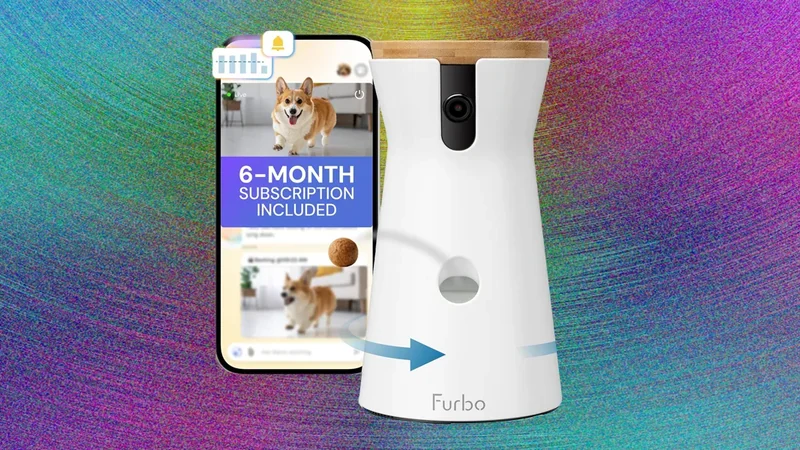
Best Pet Cameras of 2026: Furbo, Petcube, and Enabot
Explore the top pet cameras of 2026, featuring models from Furbo, Petcube, and Enabot with treats, pan-and-tilt rotation, and cloud storage.
WIRED Details Tested Tech and Home Gifts Under $25
Explore tested tech, smart home devices, and gear under $25 recommended by the WIRED Reviews team for every recipient on your holiday list.

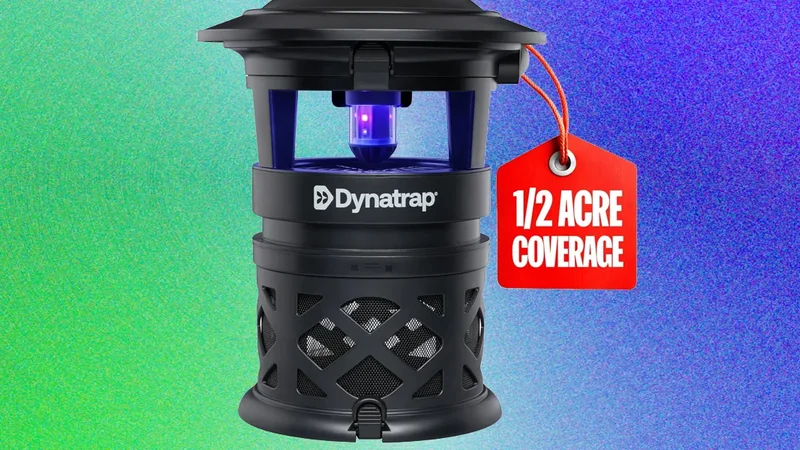
Tested Mosquito Repellents for Your Yard in 2026
Discover what works and what doesn't when keeping mosquitoes away from your yard, featuring tested portable repellers, traps, and yard systems.
Litter-Robot Promo Codes and Bundles Offer Up to $150 Off
Discover the latest Litter-Robot promo codes and bundle deals offering up to $150 off automatic litter boxes, accessories, and pet essentials.