
Tested Mosquito Repellents for Your Yard in 2026
After extensive testing of portable repellents, yard-wide systems, and traps, recent evaluations highlight which devices successfully keep mosquitoes at bay and which fall short.
 Radwan AbdulhadiEditor and technology writer
The Persistent Threat of Mosquitoes
Mosquitoes have been a worldwide menace since the beginning of recorded history, functioning as the world’s deadliest animal due to the parade of nasty diseases they can transmit. Illnesses like West Nile, Zika, chikungunya, malaria, and dengue are increasingly discovered in bugs in the United States rather than remaining confined to the global south.
Managing a property against these pests requires ongoing effort because abatement methods eventually wear off, allowing mosquitoes to return. While community-level programs exist, personal and home-based tools generally focus on repelling insects rather than outright killing them, utilizing insecticides like DEET on skin or airborne vapors like metofluthrin and allethrin.
Portable Electric and Butane Repellers
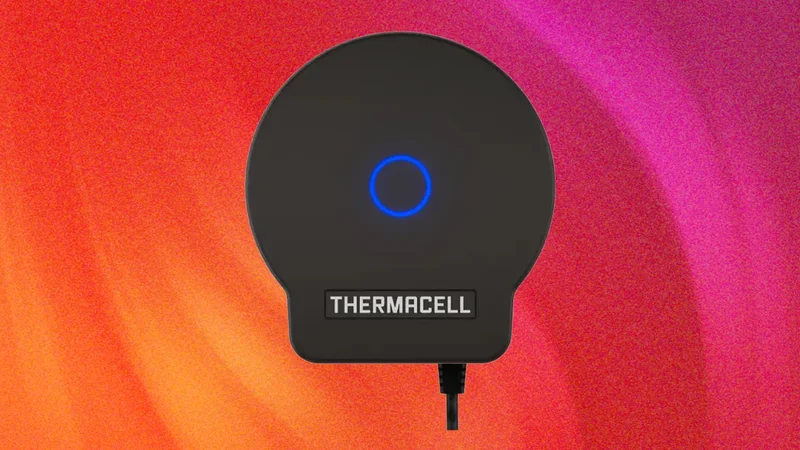
Compact electronic repellers offer strong portability by recharging via USB-C and utilizing internal heating elements to warm a vial of metofluthrin. This releases a mosquito-repulsing vapor about 10 feet in every direction, though users must allow short lag times for the vapor cloud to reform after relocation. Thermacell markets multiple variations, including options with built-in lights, charging docks, longer battery life, and ruggedized lanyard designs.
For off-the-grid environments, butane-powered alternatives provide a flame-free twist by heating replaceable chemical mats using allethrin instead of metofluthrin. While these butane options offer cable-free freedom, their protective shield stretches about 7.5 feet in each direction, and allethrin may be less effective than metofluthrin against pests.
Yard-Wide and Connected Systems
Scaling up localized technology leads to comprehensive setups like Thermacell's LIV system, which dramatically expands its coverage potential across entire yards, decks, or pools. This semi-permanent solution connects up to 10 freestanding repellers in a chain around a home hub, allowing users to activate a protective perimeter via a mobile app before heading outside.
While considered highly effective due to precise repellent placement, such installations require professional setup and represent a substantial financial investment compared to portable alternatives.
Lighting Adapters and Traps
Alternative residential solutions include products designed to integrate with existing infrastructure, such as screw-in socket devices compatible with standard light fixtures. These units heat metofluthrin vials when connected to active sockets, though compatibility issues often arise with smaller bulb sockets and tighter spacing requirements.
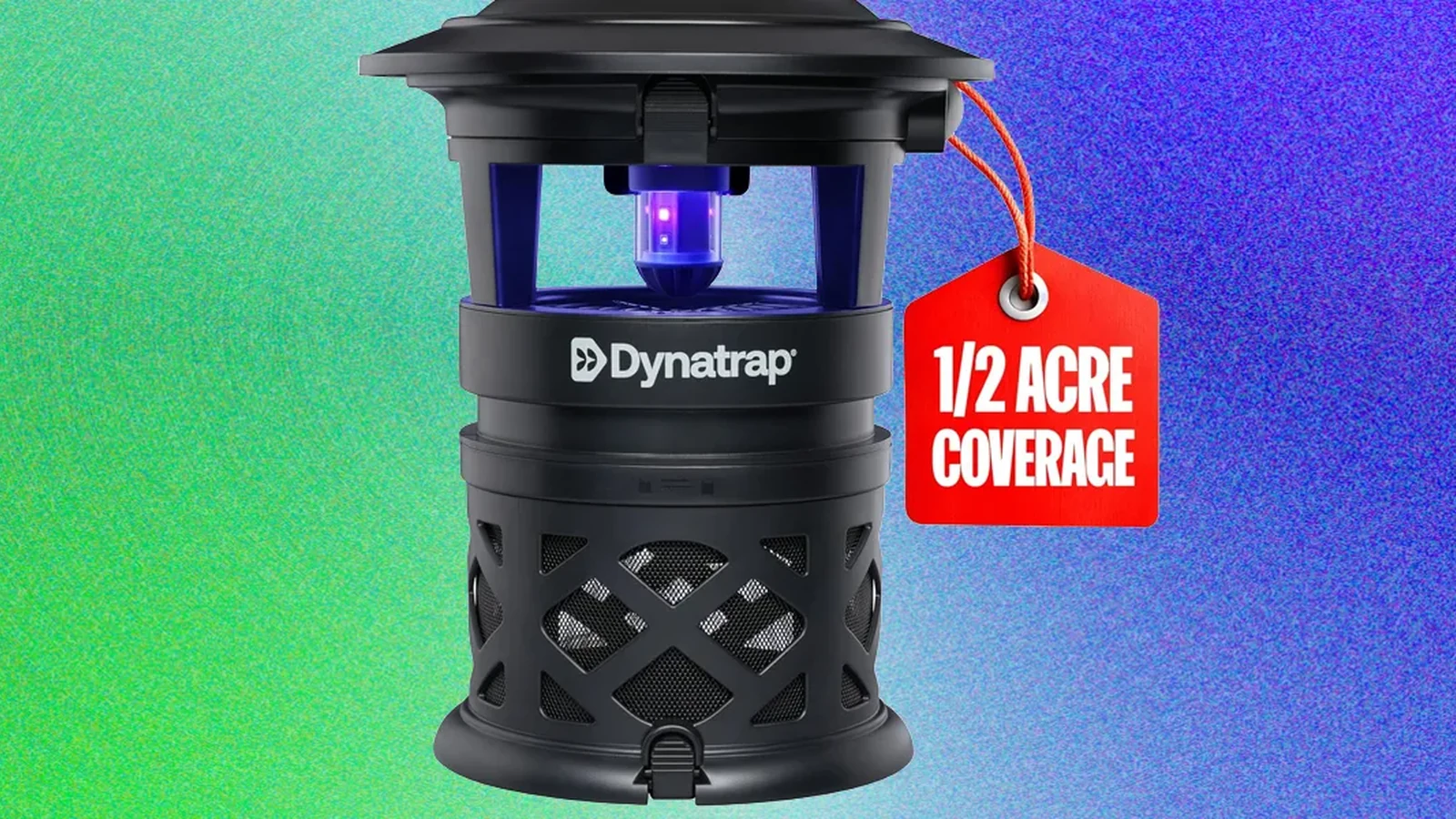
Additionally, indoor and outdoor mosquito traps mimic bug zappers by using purple lights to attract pests and internal fans to secure them in collection chambers. Testing indicates these traps frequently capture a high volume of moths alongside target insects, proving that selecting the right method depends heavily on specific yard layouts and pest management goals.
Sources
- WIREDBest Mosquito Repellents for Your Yard: What Works and What Doesn’t (2026)
Continue chronologically
Related stories
Thermacell Releases LIV 2.0 Smart Mosquito Repellent System
Thermacell has launched the LIV 2.0, an upgraded smart mosquito-control system designed to create a protected perimeter around outdoor living spaces.
ICE Uses Palantir Database to Track Protesters, Files Reveal
Newly unsealed court documents reveal that ICE and DHS agents are allegedly utilizing a Palantir database to build dossiers on protesters and observers.

Meta's Muse AI Agent Creates Detailed Profiles on Contacts
Meta's viral AI agent Muse compiles detailed profiles on friends, family, and colleagues, raising new questions about digital privacy.

Klook Promo Codes Offer Up to 25% Off Tours and Travel
Discover how to save on attractions, hotels, and transport worldwide using seasonal Klook promo codes, coupons, and app-exclusive travel deals.