MOZA AY210 Base and MFY Yoke Review: Flight Sim Immersion
The MOZA AY210 Force Feedback Base and MFY Yoke Bundle brings advanced force feedback technology and desktop autopilot following to flight simulators.
 Radwan AbdulhadiEditor and technology writer
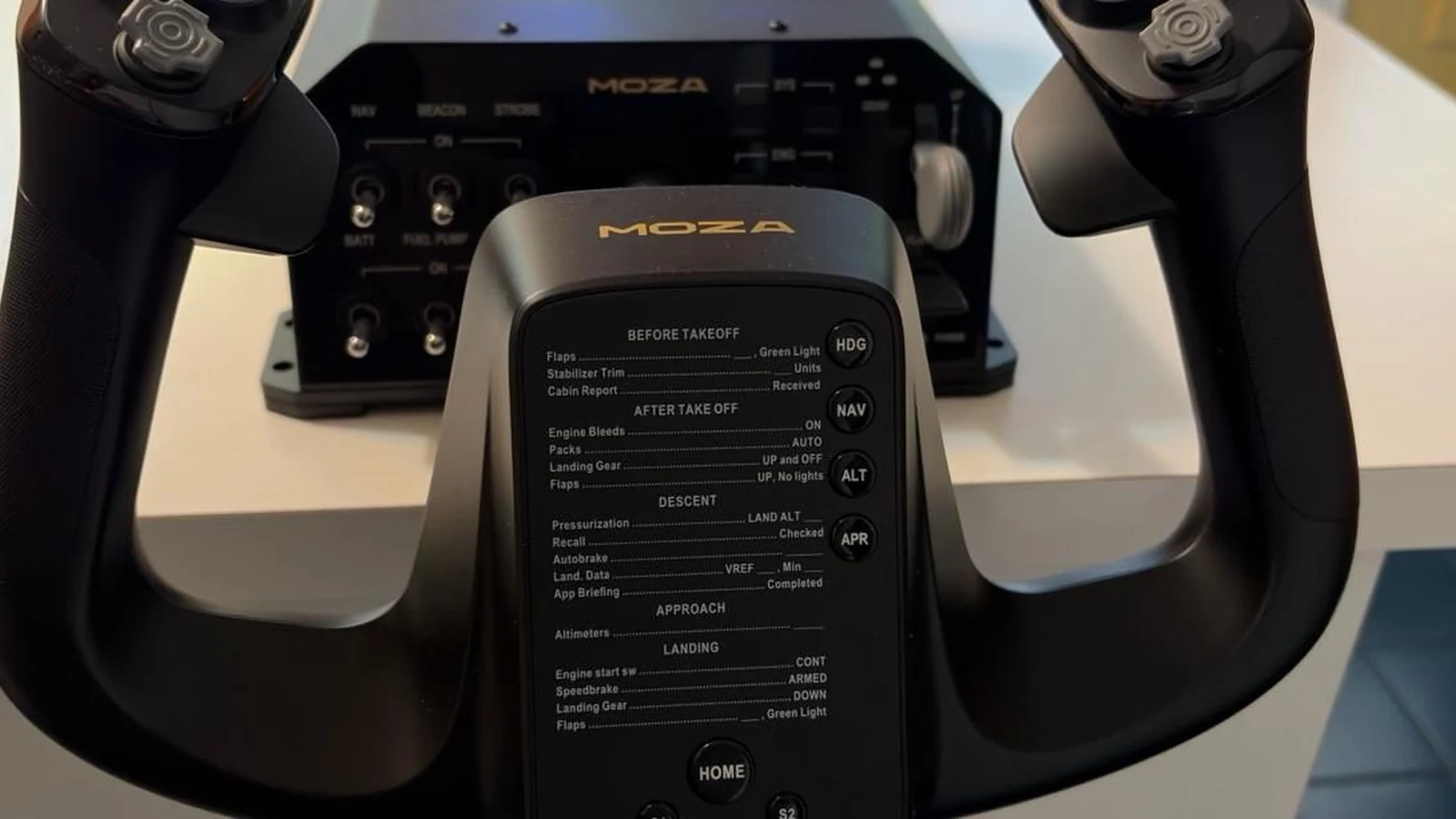
Introduction to MOZA's Flight Simulation Hardware
Over the past several years, MOZA Racing has built a strong reputation in sim racing peripherals before expanding into the flight simulation market. Brought to public attention through rigorous evaluations like the one published on [Tom's Hardware](https://www.tomshardware.com/peripherals/controllers-gamepads/moza-ay210-force-feedback-base-and-mfy-yoke-review), the company aims to deliver the same high level of build quality and performance to flight sim enthusiasts.
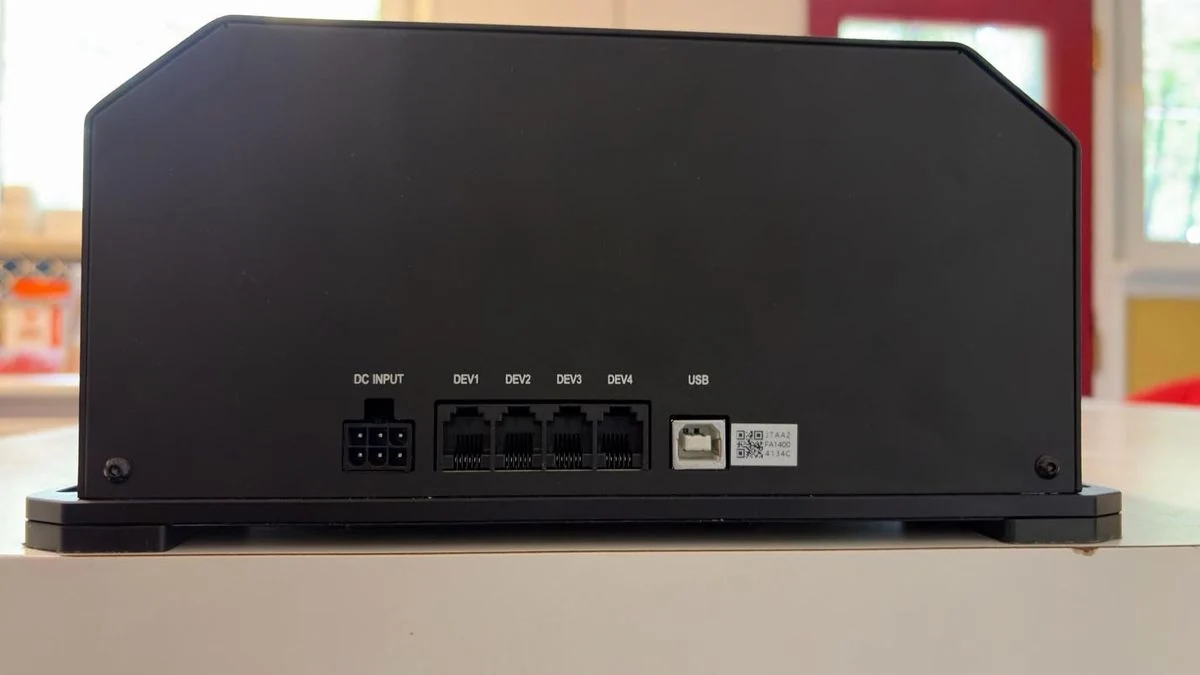
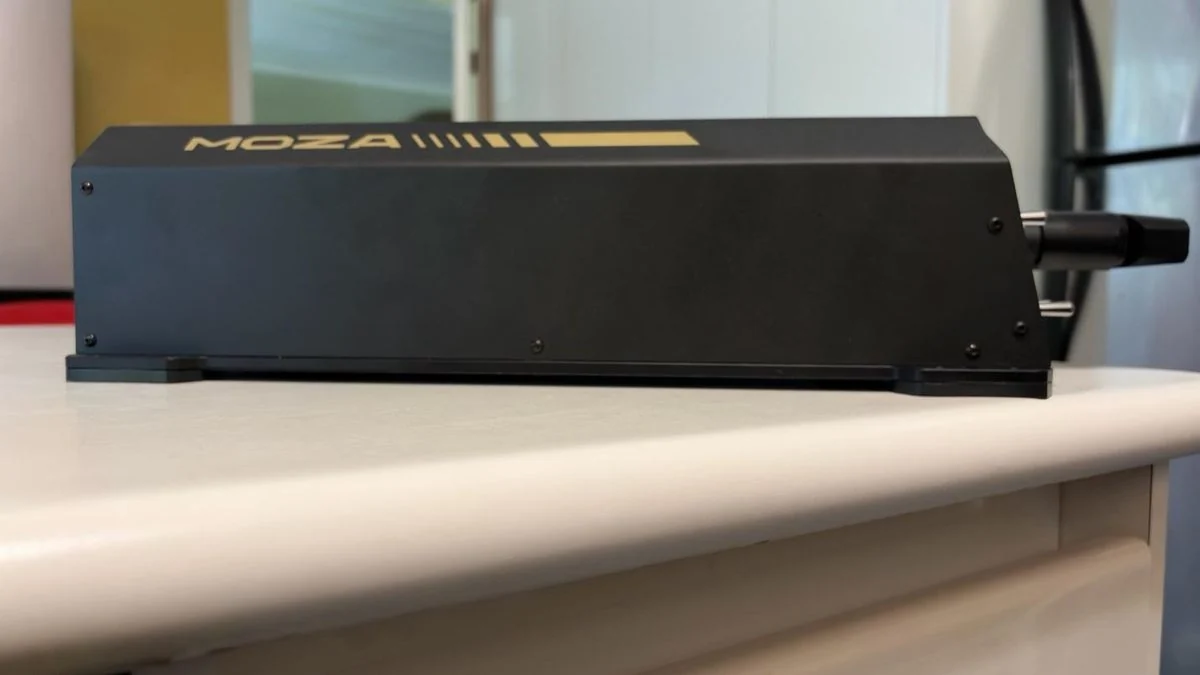
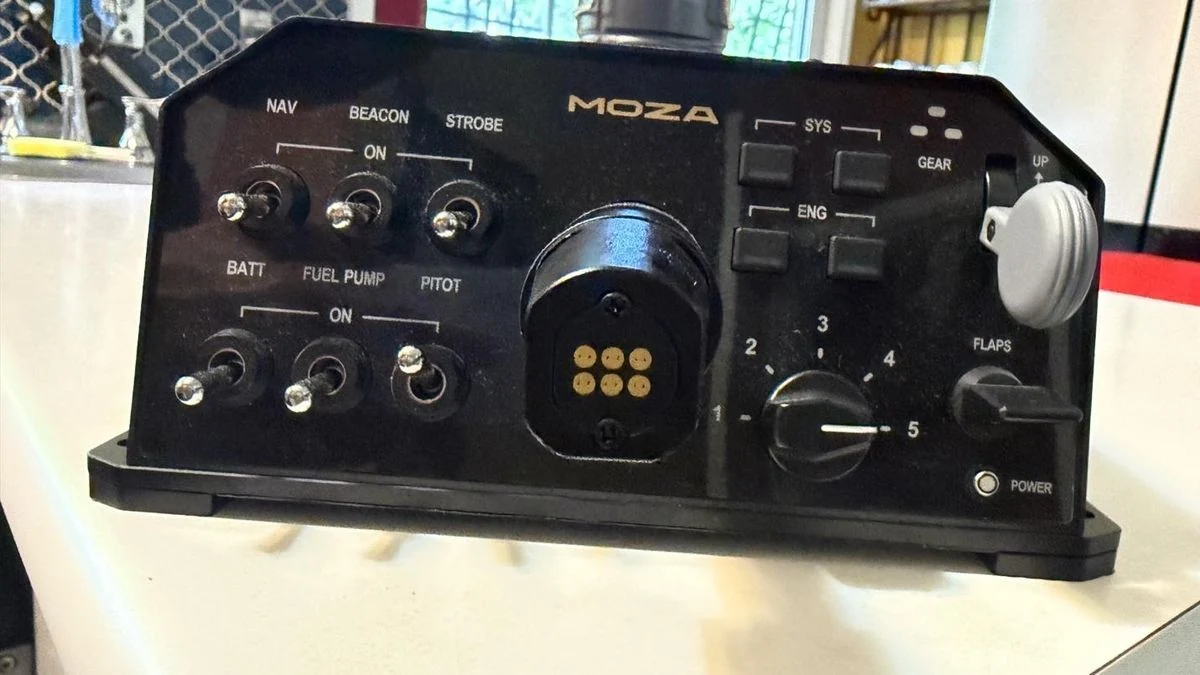
The hardware setup can be purchased separately or as a complete bundle, which includes the yoke, base, a user manual, and a toolkit. The base includes a power cable and a USB Type A to Type B cable, while table clamps to secure the setup are sold separately.
Hardware Specifications and Design
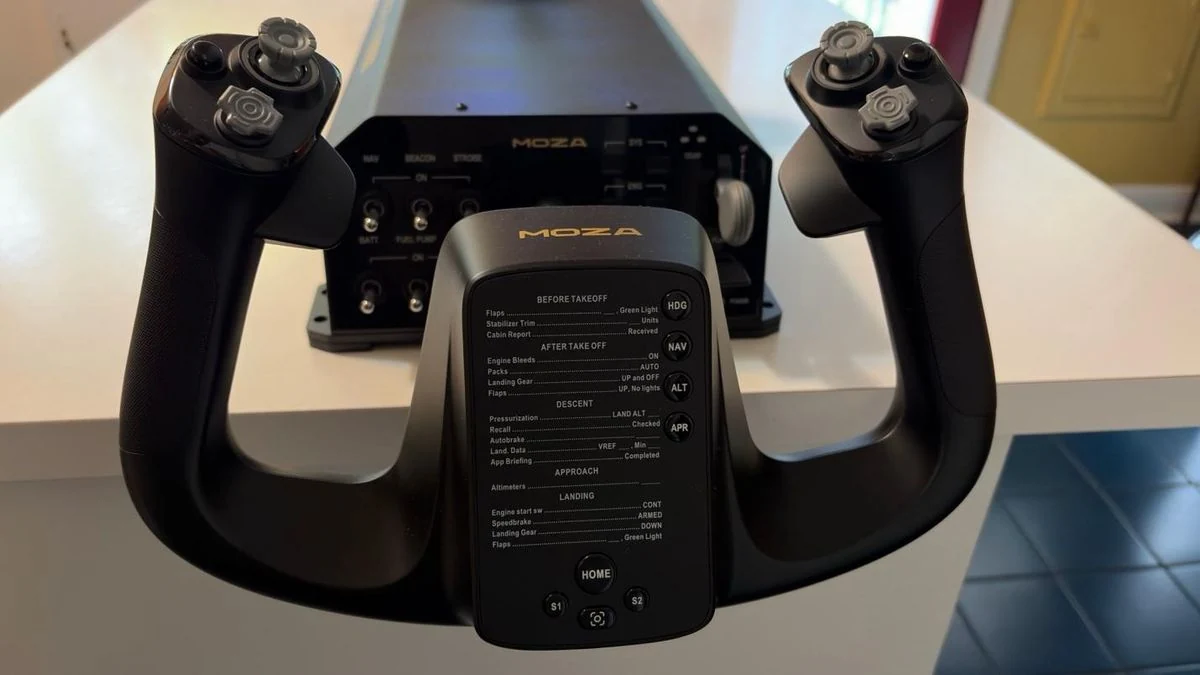
Constructed from an aluminum alloy, the base provides a durable and premium frame equipped with an aluminum quick-release mechanism for rapid yoke swapping. Internally, the AY210 uses a 280 MHz processor paired with a 15-bit high-resolution magnetic encoder to capture both delicate and aggressive inputs accurately across the full range of motion.
Meanwhile, the MFY Yoke features a synthetic engineering thermoplastic build designed to replicate commercial aircraft controls. Reviewers put these hardware components through testing scenarios in [Microsoft](https://www.tomshardware.com/tag/microsoft) Flight Simulator 2024 to evaluate their cockpit performance.
Force Feedback and Immersion Features
The primary highlight of the system is its active force-feedback capability, delivering up to 9 Nm of torque and 210 N of push force. When flying complex aircraft models, the control column feels heavier as airspeed increases, reflecting genuine aerodynamic forces.
Beyond simulating control resistance, the force feedback system conveys engine vibrations, spoiler movements, flap deployments, and runway contact upon landing. Furthermore, the AY210 replicates control movements via internal autopilot servos when the autopilot feature is actively engaged.
Software Customization and Settings
While the base and yoke include several programmable buttons and switches, deeper adjustments are handled through the MOZA Cockpit Software. Users can select manufacturer presets, community-created profiles, or manually adjust individual settings to match their preferences.
Reviewers noted that out-of-the-box settings can sometimes feel 'sticky' along the elevator axis. However, enabling the Pitch Friction Correction feature within the MOZA Cockpit Software resolves this issue, ensuring a smooth and consistent feel throughout control movements.
Cockpit Testing Scenarios
The hardware bundle was evaluated using the PMDG 737-800 and PMDG 777 in Microsoft Flight Simulator 2024 across three distinct scenarios. These scenarios included basic maneuvering at 5,000 feet, turbulent approaches in hot and windy conditions at Las Vegas, and a curved RNAV visual approach into San Francisco International Airport.
Throughout these rigorous tests—incorporating profiles from real-life pilots—the AY210 base and MFY yoke demonstrated high precision, managing rapid corrections and tight turns while maintaining realistic flight dynamics.
Sources
- Tom's HardwareMOZA AY210 Force Feedback Base and MFY Yoke review: Taking flight sim immersion to the next level
Continue chronologically

Related stories
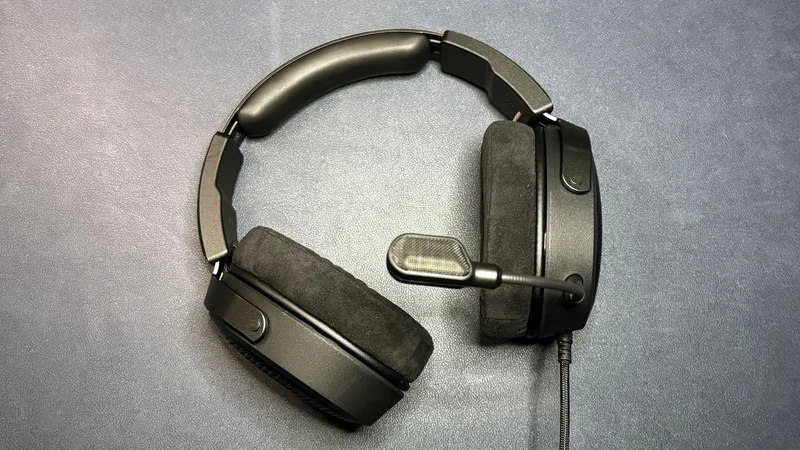
HyperX Cloud Alpha Air Open-Back Gaming Headset Released
HyperX launches the Cloud Alpha Air, its first open-back wired gaming headset featuring 40mm dynamic drivers, lightweight design, and a $149.99 price tag.
Nintendo Switch 2 Discounted to $469 in Rare Sale
The Nintendo Switch 2 portable gaming console is currently discounted to $469.99, offering a $30 savings off its recent $499 price tag.

Nvidia Vera CPU Benchmarked Against AMD and Intel
Nvidia's Vera data center CPU is benchmarked against AMD EPYC Turin and Intel Granite Rapids-AP, showcasing strong Python performance and bandwidth.
Microsoft adds Intel APX support to Windows 11 Insider
Microsoft is preparing for future processors by introducing an early Advanced Performance Extensions setting for Windows 11 Insiders.