Kindle Aluminum Review: Gorgeous Design, Steep Price
Amazon's base e-reader receives a striking metal makeover and new color options, yet leaves questions about whether aesthetic upgrades justify a higher price.
 Radwan AbdulhadiEditor and technology writer
Introduction to the Kindle Aluminum Lineup
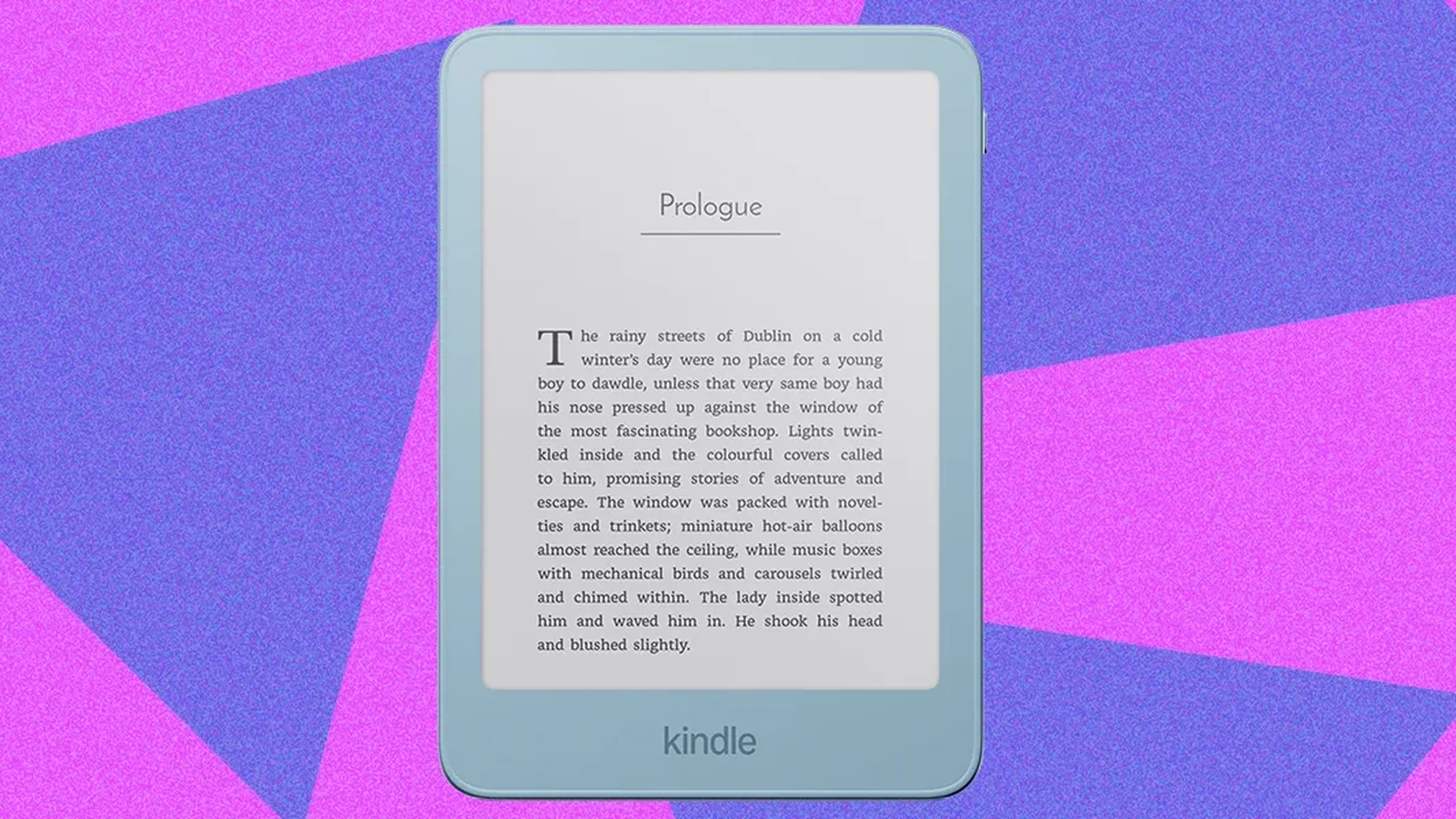
Amazon announced a refreshed e-reader lineup at the start of the month, expanding its hardware options across standard Kindle, Paperwhite, and Colorsoft models. While the plastic configurations remain available, the introduction of the Kindle Aluminum marks the first time Amazon's smallest base e-reader has received a metal chassis.
The metal variant is priced at $190, offering 32 GB of storage, the absence of lock screen ads, and specific AI capabilities. Meanwhile, aluminum editions for the Paperwhite and Colorsoft function as Signature Editions, incorporating extra features like wireless charging and auto-adjusting front lights.
Design, Aesthetics, and Color Options
The standout attribute of the new hardware is its finish. The Kindle Aluminum comes in Seaglass Green and Alpine Sky. The Alpine Sky option delivers a light blue hue reminiscent of the Sky Blue color introduced for MacBooks back in 2025.
By comparison, the plastic alternative provides standard black and a vibrant Ube purple finish. For buyers looking for color without committing to the full aluminum hardware cost, opting for a case instead remains a common alternative to achieve similar personalization.
Hardware Modifications and Physical Handling
While the 12th-generation Kindle retains a 6-inch screen, physical dimensions have been adjusted. The screen sits flush with the casing rather than being indented, and the overall body is a quarter of an inch shorter than the 2024 iteration.
Amazon lists the weight of the Kindle Aluminum at 5.7 ounces, compared to 4.9 ounces for the 2026 plastic model and 5.56 ounces for the 2024 plastic version. Practical handling tests indicate that the aluminum backing alters how the weight sits in the hand, making the device feel marginally heavier during extended reading sessions.
Performance, Software, and Front Lighting
Interface navigation mirrors standard Kindle operating systems, featuring a central homepage and library menus accessible via corner dots or top swipes. However, testing shows noticeable speed improvements when opening large books, which load significantly faster than on the 2024 model.
Front lighting adjustments present minor improvements as well. Although neither the aluminum nor standard plastic variants incorporate a warm-color front light, the Kindle Aluminum exhibits a tone slightly warmer than the blue-tinged display found on the 2024 edition.
Ecosystem Compatibility and Value Proposition
Functionality-wise, the aluminum model inherits select AI capabilities from the second- to third-gen Kindle Scribe update, such as text recap features, but omits the auto-adjusting front lighting found on Signature Edition counterparts.
Accessory compatibility also varies across the lineup. The aluminum and standard plastic 2026 Kindles lack compatibility with the newly released Kindle Page Turn Cover ($80) designed for dedicated on-device buttons, though they remain compatible with the Kindle Click remote ($35).
For consumers without an existing e-reader, the Kindle Aluminum offers a premium build, albeit at a steep cost. Users looking for a more economical path can consider the plastic Ube version, which cuts costs while offering a similarly colorful aesthetic.
Sources
- WIREDKindle Aluminum Review (2026): Gorgeous, but Expensive
Continue chronologically


Related stories
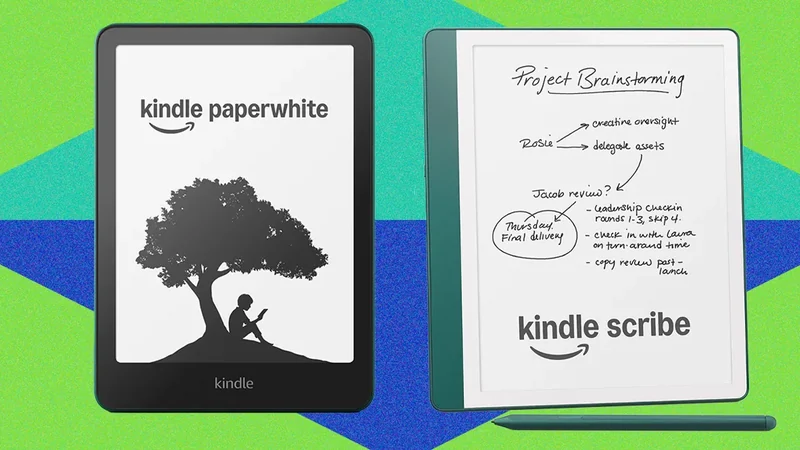
Amazon Kindle Lineup Evaluated: The Best Models of 2026
Discover the top-rated Kindle models of 2026, featuring the updated Kindle Paperwhite, Kindle Scribe, and color-capable e-reader options.
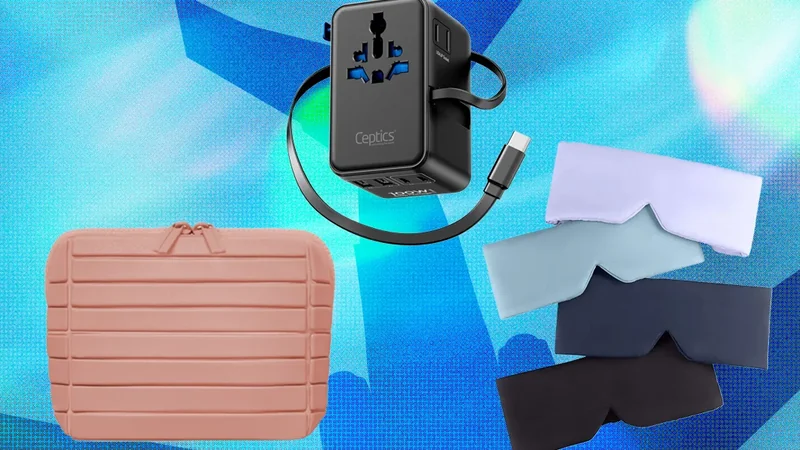
Best Travel Tech and Gifts for Every Globetrotter
Discover top-rated travel gifts and tech gear for frequent fliers, from portable wireless chargers to reliable e-readers and smart luggage sets.
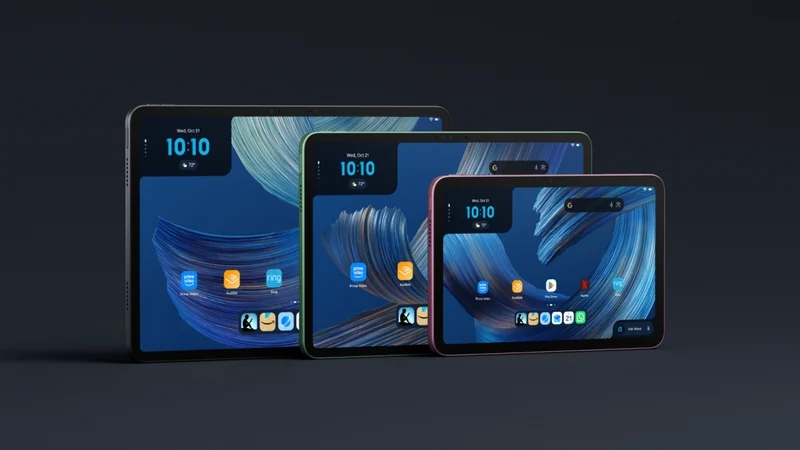
Amazon launches iPad‑inspired Alexa Tablets with Play Store support
Amazon’s new Alexa Tablets replace the Fire brand, offering Android, Play Store access, and iPad‑like designs across 8‑, 11‑, and 12‑inch models.
Amazon Debuts Alexa Photo Frame and Echo Time Smart Clock
Amazon has unveiled five new Alexa devices, featuring the new Alexa Photo Frame and Echo Time smart clock alongside upgraded Echo hardware.