
Intel Nova Lake Platforms Pass USB and PCIe Compliance Checks
Intel is preparing for the rollout of its next-generation platform as components successfully navigate official industry standardizations.
 Radwan AbdulhadiEditor and technology writer
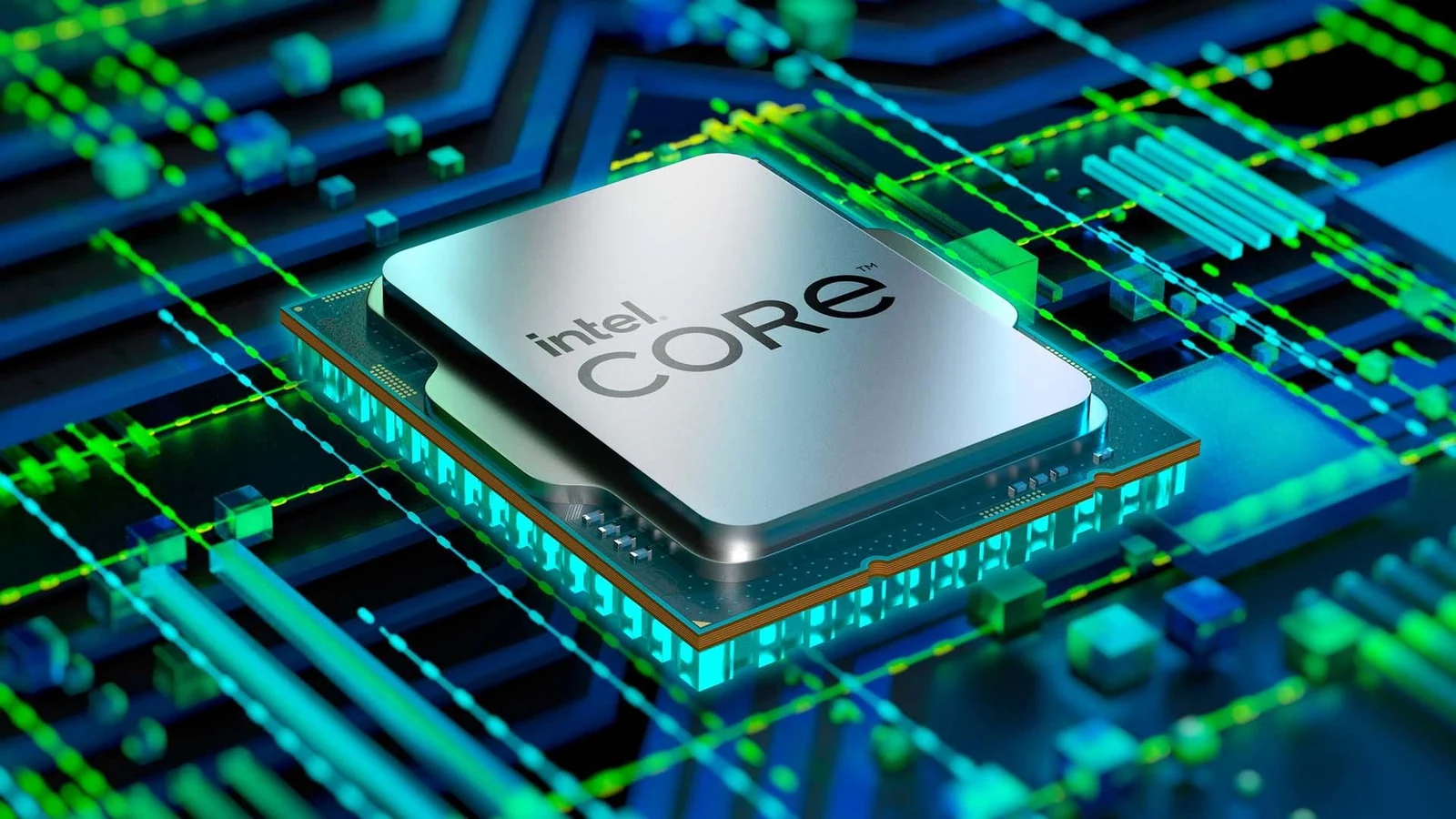
Standards Compliance Underway for Nova Lake
As the official release draws closer, Intel is actively preparing its next-generation architecture by securing necessary industry approvals. The USB Implementers Forum has updated its Integrators List to include select <a href="https://www.tomshardware.com/pc-components/cpus/intels-nova-lake-platforms-pass-compliance-at-pci-sig-usb-if-as-launch-looms">Core Ultra 400-series 'Nova Lake'</a> platforms, indicating that these hardware products have successfully passed required USB compliance and interoperability evaluations. Concurrently, the PCI-SIG Integrators List has incorporated Intel’s 900-series chipsets designed for Nova Lake-S processors.
These pre-launch assessments are critical for validating equipment interoperability and securing authorization to display official USB and PCIe logos on retail hardware. With early listings now visible across major standards databases, foundational groundwork for the upcoming hardware generation is steadily solidifying.
Detailed Specifications via USB-IF and PCI-SIG Listings
The published USB-IF documentation offers a closer look at upcoming hardware capabilities. For instance, the mobile Nova Lake-H processor—carrying Device IDs D331 and D333—demonstrates compliance with the high-speed USB4 80 Gbps specification, aligning with expectations that the component will also provide native Thunderbolt 5 support. Meanwhile, the desktop Nova Lake PCH-S chipset, identified by Device ID 6E6E, is certified for the USB 3.2 Gen2 standard, providing data transfer speeds up to 20 Gbps in alignment with earlier industry expectations for Intel's 900-series chipsets.
On the PCI-SIG side, the Integrators List has featured Intel's 900-series chipset variants under Device IDs 6E38 through 6E3F, 6E30 through 6E35, and 6E40 through 6E47 since April. Furthermore, an unidentified processor featuring a PCIe 5.0 x16 root complex cleared interoperability benchmarks alongside the chipset, pointing toward upcoming desktop platforms.
Qualification by Similarity and Certification Workflow
While submitting a high-performance mobile CPU and a desktop chipset first might appear unusual, the certification workflow accounts for this strategy. The USB-IF utilizes a framework known as Qualification by Similarity (QbS). Under this program, thoroughly testing one baseline product can pave the way for related hardware components to achieve certification with minimal or no added compliance hurdles, provided the underlying circuitry remains sufficiently similar.
Because formal USB-IF certification links directly to specific product names, model designations, and hardware revisions, distinctly named parts do not receive automatic clearance solely due to shared internal circuitry. Instead, manufacturers must submit these variants under the QbS framework for regulatory evaluation, allowing the standards body to determine if further testing is warranted.
Roadmap Context and Future Compliance Steps
The appearance of these entries on the PCI-SIG and USB-IF registers underscores Intel's forward momentum toward a commercial debut. Industry projections suggest that the formal market introduction of the <a href="https://www.tomshardware.com/pc-components/cpus/intels-nova-lake-platforms-pass-compliance-at-pci-sig-usb-if-as-launch-looms">Core Ultra 400-series 'Nova Lake'</a> lineup is anticipated in the first quarter of 2027.
Ahead of that rollout, these platforms are expected to clear additional compliance and interoperability evaluations. Intel will also need to secure regional regulatory and environmental documentation depending on specific target markets, though such administrative paperwork rarely surfaces publicly prior to official commercial releases.
Sources
- Tom's HardwareIntel's next-gen Nova Lake platforms pass compliance at USB and PCIe standards bodies as launch looms