
SNO+ Detects Geoneutrinos to Map Earth's Interior
A global network of deep underground detectors is yielding substantial measurements of geoneutrinos, offering new insights into the radioactive processes powering our planet.
 Radwan AbdulhadiEditor and technology writer
Chasing Elusive Particles Underground
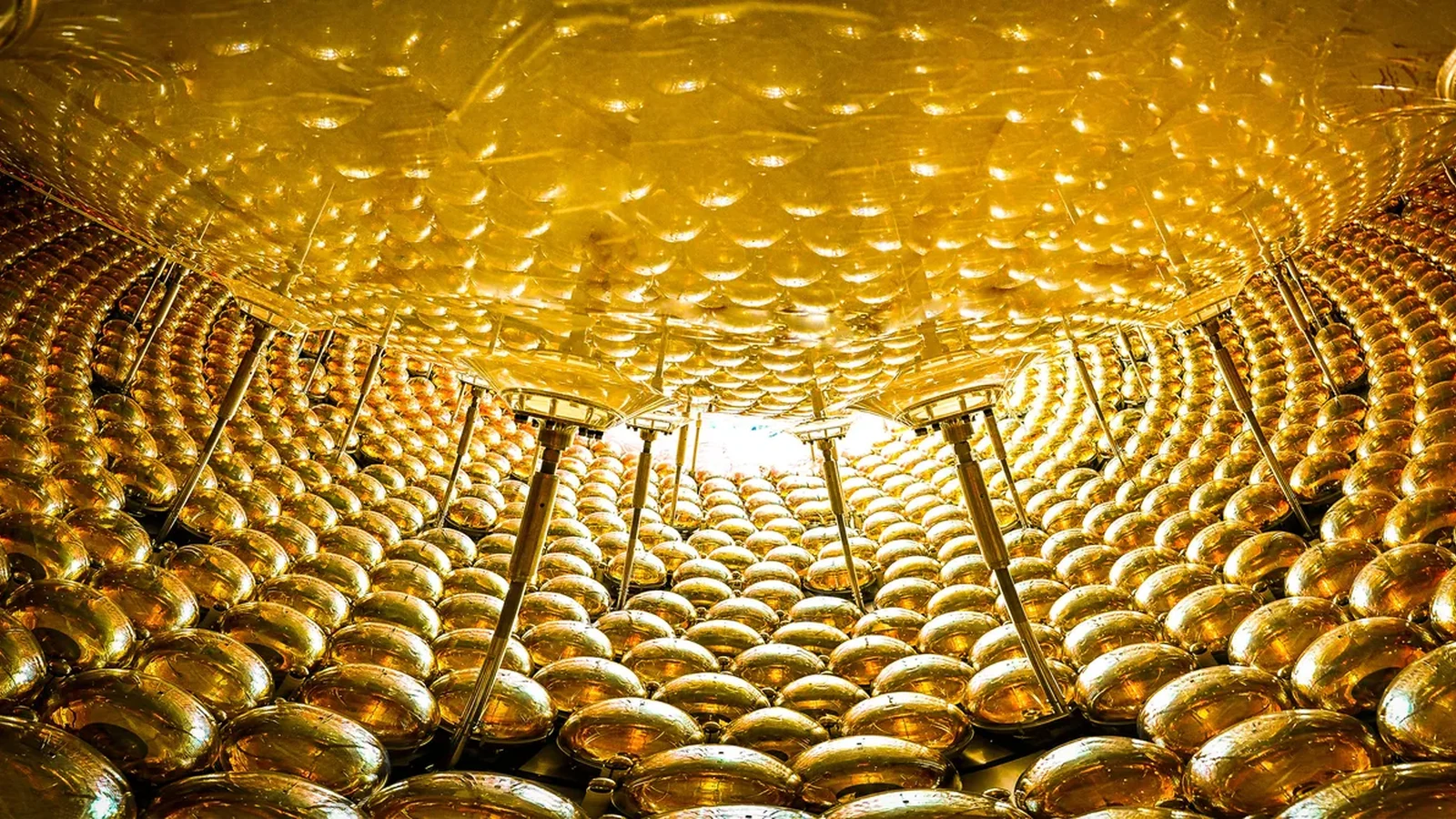
Deep within the Creighton mine at Snolab in Sudbury, Canada, researchers maintain the SNO+ detector to study some of the most elusive particles known to physics.
The experiment is housed in a cavern 2 kilometers underground, shielded from cosmic radiation by thick rock and ultrapure water, allowing scientists to catch ghosts through less common particle interactions.
Neutrinos are extraordinarily abundant particles with tiny masses and neutral electromagnetic charges, meaning they rarely interact with other matter. Trillions of particles mostly produced in the sun pass through human bodies every second, yet researchers have spent years of hunting them down with specialized detectors.
Understanding Geoneutrinos and Earth's Heat
Even more difficult to find are geoneutrinos, which are produced by the radioactive decay of uranium, thorium, and potassium in Earth's mantle and crust. This radioactive heat, alongside heat left over from planetary formation, powers the flow of rocks in the mantle and shapes plate tectonics and Earth's magnetic field.
By counting these geoneutrinos, physicists gain a direct measure of the planet's heat-producing elements. According to particle astrophysicists working on the project, this focus provides unique data compared to research directed at other places in the universe.
Global Detector Network and New SNO+ Findings
The first detection of geoneutrinos was reported in 2005 by the Kamland instrument in Japan, followed by the Borexino detector in Italy in 2009. In November 2025, SNO+ reported its first detection, bumping up the number of observed geoneutrinos by roughly 50.
The SNO+ measurements mark the first time geoneutrinos have been measured in the western hemisphere, offering detailed perspective on this side of the planet's interior. Further context on these measurements can be found via reporting from Quanta Magazine covering neutrinos from deep inside Earth.
Implications for the Mantle and Future Mapping
While geochemists traditionally assumed that radioactive elements were distributed evenly throughout the mantle due to continuous mixing by flowing rock, varying flux measurements across global sites challenge that assumption.
Regions producing higher geoneutrino counts appear to sit above continent-size blobs of anomalously hot, dense material known as large low-shear-velocity provinces, or LLSVPs. These deep structures could potentially concentrate specific elements, pointing toward an emerging method to build a chemical map of Earth's interior.
Data Interpretation and Ongoing Uncertainties
Significant uncertainties remain in interpreting the results across different experimental sites. Researchers must carefully filter out signals from nuclear reactors, cosmic rays, and geoneutrinos originating directly from Earth's crust.
Whether the disparities between detector outputs reflect true geochemical differences between the eastern and western hemispheres or stem from distinct counting methods remains an open question for the scientific community.
Sources
- WIREDElusive ‘Geoneutrinos’ Are Building a New Map of Earth’s Volatile Interior
Continue chronologically

Related stories
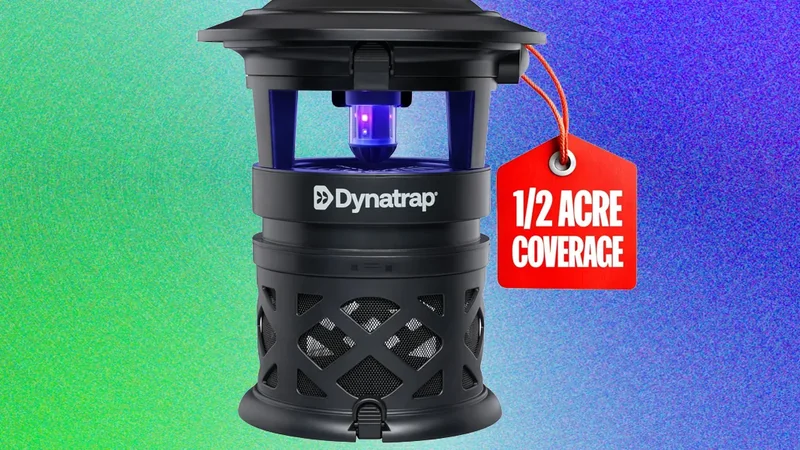
Tested Mosquito Repellents for Your Yard in 2026
Discover what works and what doesn't when keeping mosquitoes away from your yard, featuring tested portable repellers, traps, and yard systems.
ICE Uses Palantir Database to Track Protesters, Files Reveal
Newly unsealed court documents reveal that ICE and DHS agents are allegedly utilizing a Palantir database to build dossiers on protesters and observers.

Meta's Muse AI Agent Creates Detailed Profiles on Contacts
Meta's viral AI agent Muse compiles detailed profiles on friends, family, and colleagues, raising new questions about digital privacy.

Klook Promo Codes Offer Up to 25% Off Tours and Travel
Discover how to save on attractions, hotels, and transport worldwide using seasonal Klook promo codes, coupons, and app-exclusive travel deals.