Apple Embraces Gadget Experimentation With New Screens And Touch
Apple is experiencing a rare phase of unabashed hardware experimentation, highlighted by new approaches to screens and touch panels across its device ecosystem.
 Radwan AbdulhadiEditor and technology writer
An Era of Unabashed Gadget Experimentation
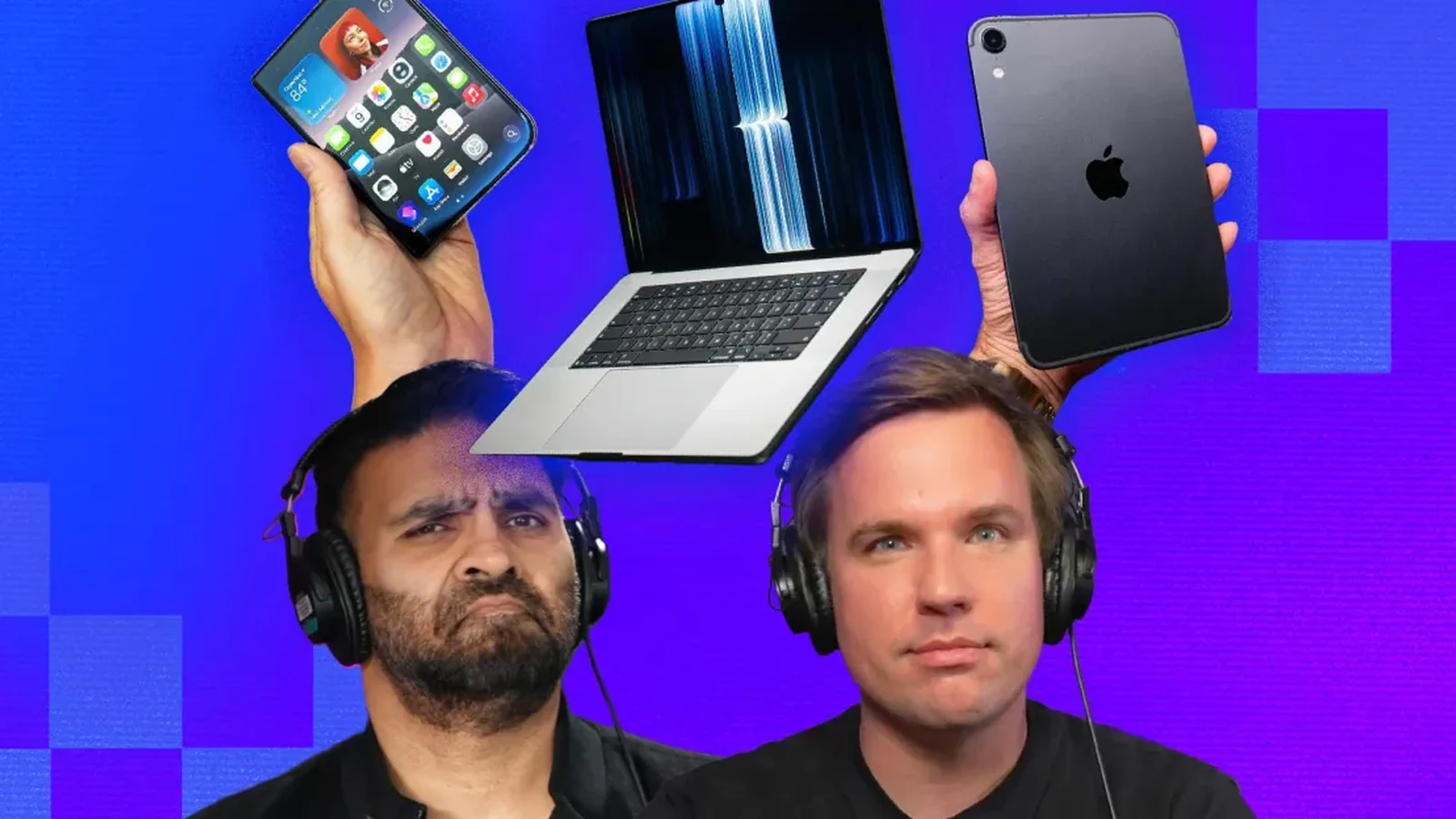
For the first time in a long time, Apple has entered a distinct period of unabashed hardware experimentation. While the final results may not always be perfect, observers note that it is fascinating to watch one of the world's most successful product makers try new design approaches again. These developments highlight a shift in how the company approaches traditional form factors, bringing fresh ideas to its established hardware lineup.
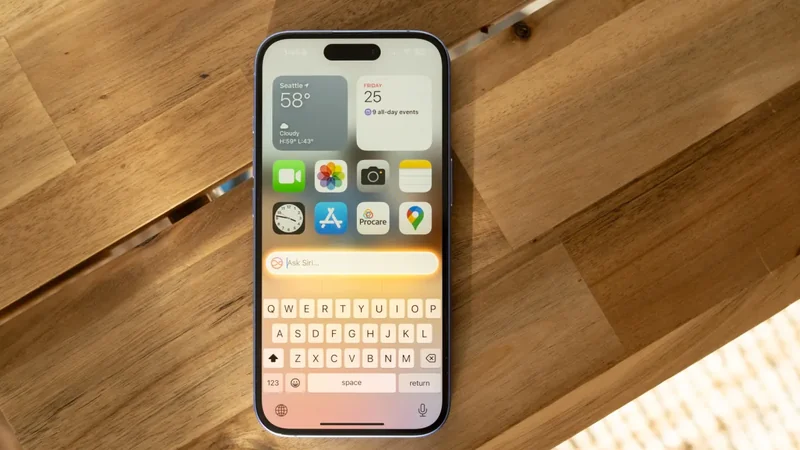
Among the notable shifts in this experimental cycle, the iPhone has more screens than previous generations. This hardware evolution reexamines user interaction, physical device layout, and how mobile displays are utilized in everyday scenarios. Alongside mobile advancements, the product ecosystem is expanding into new functional boundaries.
Bringing Touch to the MacBook Lineup
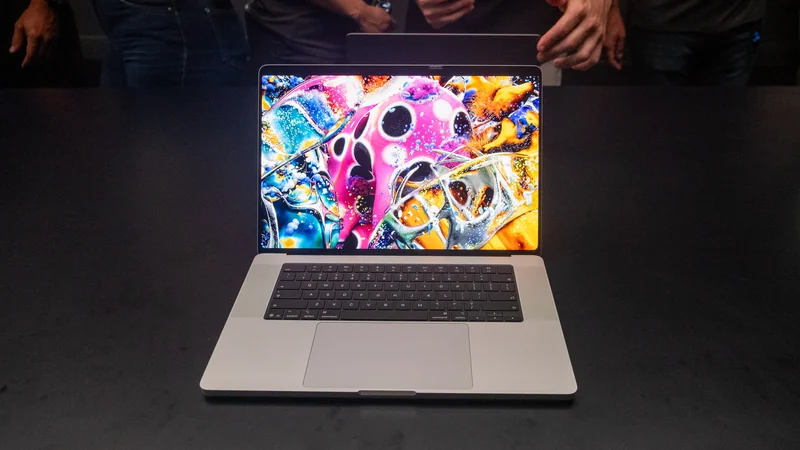
One of the most discussed shifts in Apple's current hardware strategy involves portable computers. For years, the company maintained a strict separation between touch-based mobile interfaces and traditional desktop or laptop operating systems. That traditional boundary is now blurring as the MacBook has a touchscreen, challenging long-held assumptions about macOS ergonomics.
In practice, this experimental phase sometimes manifests as simply slapping a touch panel onto a newly designed MacBook Pro just to see how users might interact with it. Industry analysts and reviewers have debated whether these hardware modifications genuinely improve productivity or if they simply answer long-standing consumer curiosity regarding touchscreen integration on macOS devices.
Expanding Smart Home and Display Integration
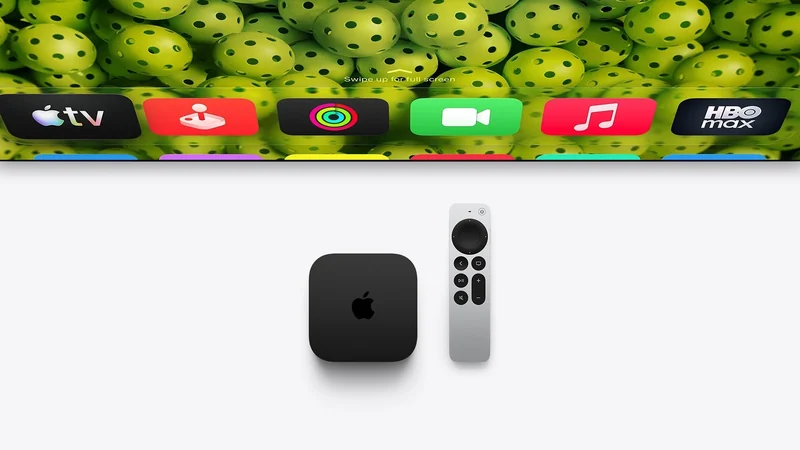
Beyond traditional personal computers and mobile phones, Apple's hardware experimentation extends into the connected home. The company has introduced the HomeView smart display, which incorporates automotive software capabilities into a home environment. Specifically, the HomeView does CarPlay apps, bridging the gap between in-car infotainment software and stationary domestic hardware.
This cross-pollination of software ecosystems indicates a broader strategy to make user interfaces more versatile across different form factors. By allowing automotive-centric applications to run on home displays, hardware designers are testing how software utility scales beyond its original intended environment, creating new possibilities for connected device management.
Broader Industry Discussions and Podcast Coverage
The implications of Apple's hardware pivot have been a primary topic of discussion across technology media. Detailed analyses of these new devices, alongside broader industry shifts, are frequently featured on this episode of The Vergecast. Hosts and commentators break down the engineering choices behind touch-enabled laptops and multi-screen mobile hardware.
In addition to hardware developments, recent technology coverage also explores related digital trends, platform governance, and AI integrations. As hardware and software boundaries continue to shift, ongoing discussions examine how manufacturers will refine these experimental concepts into polished commercial offerings for global consumers.
Sources
- The VergeThe delightfully messy state of Apple gadgets
Continue chronologically
Related entity coverage
Related stories
Apple Prepares for 'Pro and Tell' Event with Touchscreen MacBook Pro
Apple announces its 'Pro and tell' event for October 28th, where it is expected to unveil a long-rumored touchscreen MacBook Pro and an OLED iPad Mini.

Apple Unveils the 2026 Designers of Tomorrow Exhibition
Apple showcases emerging design talent in collaboration with Design Miami, focusing on the theme of presence and digital workflow integration.

Apple to Reveal HomeView Smart Home Hub on Tuesday
Apple is reportedly set to announce its new Siri-powered HomeView smart home hub on Tuesday, alongside updates to the Apple TV and HomePod mini.
Apple Reveals First Touchscreen MacBook Pro with PROLED XDR
Apple announces its first touchscreen MacBook Pro models featuring PROLED XDR displays, a lighter design, and a $2,899 starting price point.