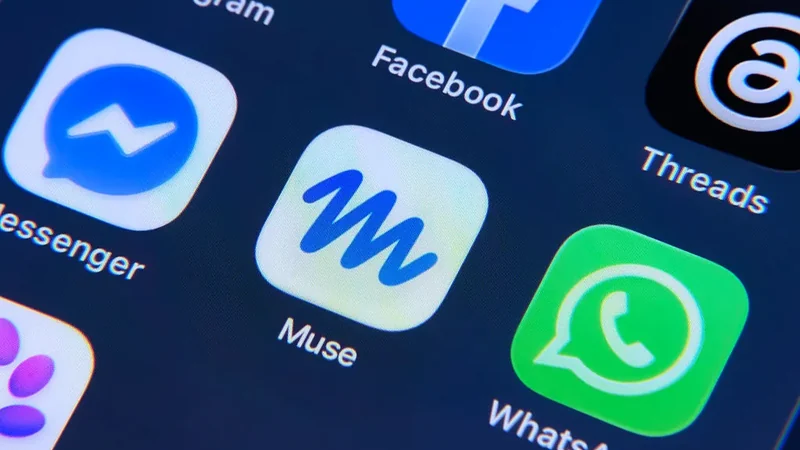
Meta Updates Muse AI Agent App to Introduce Native iPad Support
Meta has rolled out a new update for its Muse iOS application, bringing native support for the iPad nearly a month after the agentic AI tool first debuted on mobile devices.
 Radwan AbdulhadiEditor and technology writer

Meta Expands Muse to Apple Tablets
Meta has released an update for its Muse iOS application that introduces native support for the iPad. Following its debut on mobile devices, where it spent several weeks as the top free application in Apple's App Store, the agentic AI tool is now optimized for larger screens.
The tool originally launched as part of Meta's broader strategy following its initial rollout detailed in reports regarding Meta bets on AI agent Muse to catch up in ai race . A Mac version of Meta’s agentic AI tool was subsequently released about a week after the mobile debut to handle desktop operations.
The new iPad version functions similarly to the iPhone release but leverages iPadOS’ better multitasking capabilities and extra display area. The iPad integration was noted in a brief mention within the release notes of the latest version.
New Software Connectors and Business Tools
Alongside the iPad integration, the latest Muse update introduces several software connectors aimed at small business users. The AI agent can now connect with a broader set of platforms including Canva, Dropbox, Figma, QuickBooks, GitHub, Zoom, Asana, and Klaviyo.
Additional connectors for Notion and Granola have also been included in the update. Business owners can assign Muse specific commercial goals, allowing the agent to plan marketing campaigns, draft client pitches, and assist with developing new product pages autonomously.
These updates build upon the core capabilities of the platform, which has drawn attention for consumer shopping tasks as discussed in coverage where Meta’s AI agent is a cute little guy who’s great at spending my money .
Competitive Landscape and Ecosystem Growth
Meta's Muse positions itself against other conversational and agentic systems in the artificial intelligence market. The tool is designed to compete directly with alternatives such as OpenClaw, ChatGPT's Dots, and Grok Bot.
The rapid turnaround for bringing Muse to Apple's tablet contrasts sharply with past product release timelines. While it took Meta fifteen years to launch a dedicated version of Instagram for the iPad, the prompt adaptation of Muse highlights the company's strong emphasis on its current AI portfolio.
Initial reactions to the software have highlighted both its capabilities and its scope, as explored in assessments detailing how Meta’s Muse AI works and creeps me out .
Broader Hardware Integration Plans
Beyond tablets and desktop computers, Meta is expanding the reach of its AI software into standalone hardware form factors. The company previously announced a Tamagotchi-inspired standalone hardware product called the Muse Charm that runs the agent without needing a smartphone.
Furthermore, engineering teams are working to bring Muse to its smart glasses lineup, allowing users to interact with the assistant through wearable devices. These initiatives demonstrate Meta's multi-device approach to deploying its agentic technology across different consumer touchpoints.
Sources
- The VergeMuse launches on the iPad
Continue chronologically

Related entity coverage
Related stories
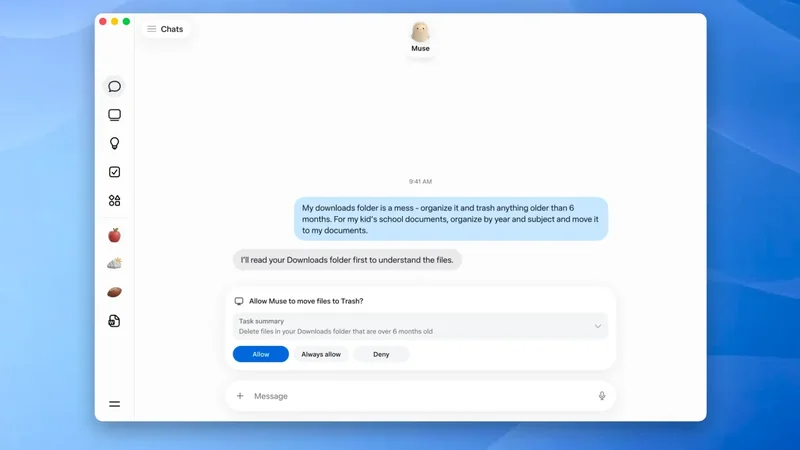
Meta Launches Muse AI Assistant App for Mac
Meta has expanded its Muse AI assistant to macOS, allowing users to integrate the agent with local files, mail, and apps to perform tasks on their behalf.
Apple Updates macOS Permissions to Curb AI Agent Abuse
Apple is changing macOS Full Disk Access settings to prevent third-party developers and AI agents from misusing system privileges.

Apple Warns AI Agents Pose Risks with Full Disk Access
Apple is introducing new macOS safeguards after warning that AI agents requesting Full Disk Access expose user files, mail, messages, and browsing history.
Meta Launches Muse AI Agent on iPad After Mobile Debut
Meta has launched its Muse AI assistant on the iPad just a month after its mobile debut, expanding integrations and partner connectors.