Arc browser is officially shutting down by Christmas
Following years in maintenance mode after The Browser Company shifted focus toward Dia, the Arc browser is set to shut down entirely by Christmas.
 Radwan AbdulhadiEditor and technology writer

Arc Shutdown Timeline and Background
The Browser Company has announced the closure of its popular Arc browser, with the application slated to go away entirely by Christmas. The shutdown comes as no surprise to industry observers, as The Browser Company pivoted away from Arc two years ago to focus on its more AI-centric offering, Dia. Since that strategic shift, Arc has remained in maintenance mode, but the upcoming holiday deadline means users will no longer even be able to open or use the application. Further details are available from The Verge in the original source material.
With the imminent demise of Arc, many users find themselves actively searching for alternative browsers. The software landscape has subsequently filled with an array of new choices, ranging from applications heavily inspired by Arc to direct functional copies.
Exploring Browser Alternatives
Several desktop applications have emerged as primary contenders for displaced Arc users. Among them is Dia, which recently inherited many of Arc's best features alongside customizable AI tools that can be easily disabled. Because The Browser Company maintains strong aesthetic standards, Dia serves as a natural starting point for many looking to transition.
Another prominent alternative is Zen, which operates as a direct spiritual successor to Arc while running on Mozilla’s Gecko engine instead of Chromium. This architectural choice provides a win for users seeking to reduce Google's influence over web standards. Although earlier versions of Zen experienced bugs and rough edges, the project has evolved significantly over time.
Additional Desktop Options and Customization
For users prioritizing minimalist design and seamless service integration, Orion presents a resource-friendly alternative featuring Kagi integration. Meanwhile, power users frequently look toward Vivaldi due to its extensive customization capabilities, though some note that its multitude of settings can occasionally feel overly complex or fiddly.
Conversely, Helium offers a starkly minimalist, no-frills browser experience. Firefox also remains a viable contender for those evaluating design and feature updates, alongside various Firefox forks like Waterfox and Floorp that expand customization options even further.
Brave remains an option frequently cited in privacy comparisons, though some users find its proprietary features heavy and demanding. On mobile platforms, Quiche has established itself as a favorite iOS browser, while Android users largely bypassed Arc due to its limited prior optimization on the platform.
Broader Context in the Software Ecosystem
The broader technology landscape continues to see rapid shifts across platforms, from updates in foldable phone software like Delta 2.0 to productivity tools like Claude Duet. Readers seeking further insights into contemporary digital tools can explore resources such as the Installer homepage for ongoing software discovery and community recommendations.
As publishers and software developers adapt to changing user preferences, editorial transparency remains essential. Platform evaluations and recommendations follow established guidelines outlined in the publication's ethics statement.
Sources
- The VergeIt’s time to find a new browser
Continue chronologically


Related stories
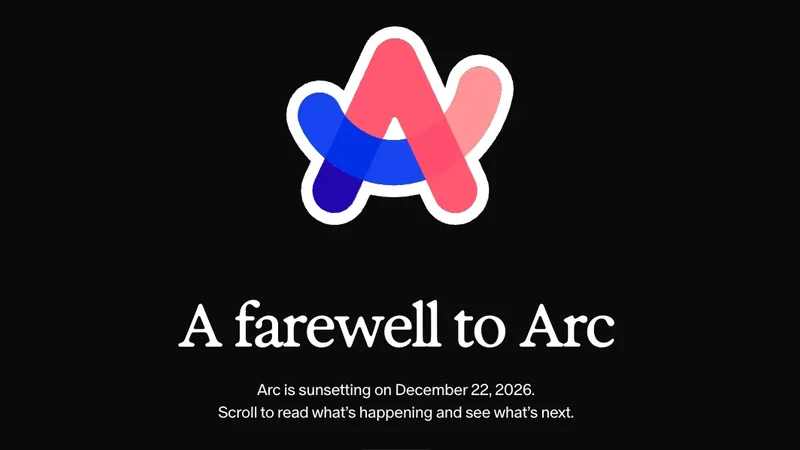
The Browser Company is shutting down the Arc browser
The Browser Company plans to sunset the Arc browser on December 22nd, ending its maintenance and directing users toward its new AI-focused Dia browser.
Firefox Details Recent Hidden Features and Roadmap Updates
Mozilla highlights recent Firefox browser improvements alongside upcoming features on its public roadmap, including Mini Window and offline mode.

Mozilla Unveils New Sonic Identity for Firefox
Mozilla introduces a new sonic identity for Firefox, featuring community-driven audio elements including a human-voiced logo and mascot sounds.

Smart Window Adds Form Filling and Page Watching Features
Mozilla's Smart Window beta introduces new AI browsing features, including intelligent form filling and automated web page watching tasks.