Apple Posts Record iPhone Revenue Despite Skipping Standard Model
Apple achieved a record-breaking quarter for iPhone sales even though it did not release a standard model during its latest refresh.
 Radwan AbdulhadiEditor and technology writer
Record iPhone Sales Powered by Pro Models
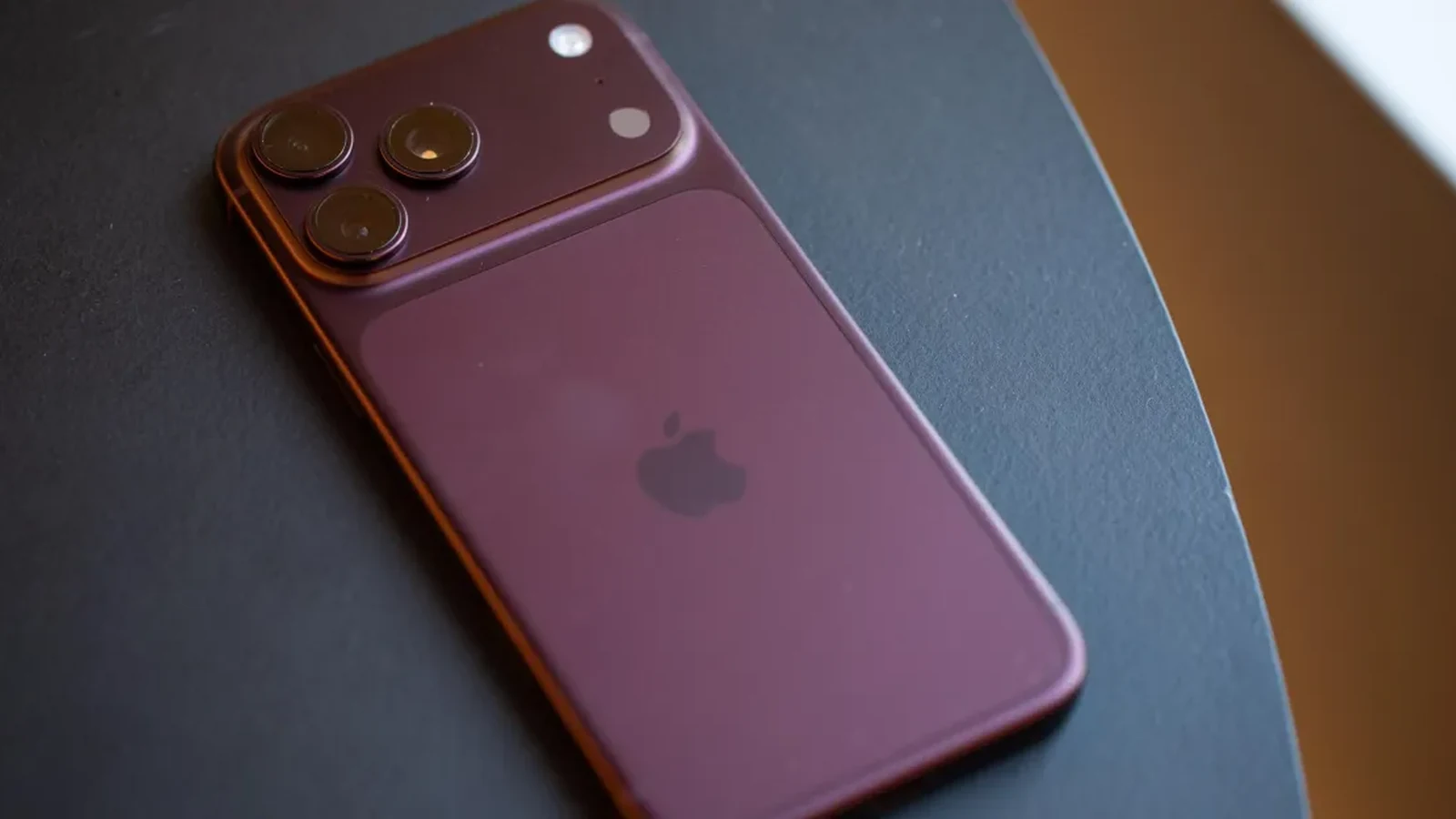
Apple has set a remarkable new record for iPhone sales despite skipping the release of a standard model during its latest device refresh. According to [ its fourth-quarter earnings report ], Apple generated an impressive $57.58 billion in iPhone revenue during the quarter, representing a 17 percent jump compared to the same time last year.
The significant surge in revenue directly follows the September rollout of Apple’s iPhone 18 lineup, which concentrated heavily on [ a pricier iPhone 18 Pro and Pro Max ]. Concurrently, the tech giant implemented price increases across several older device models to navigate changing market dynamics.
Supply Chain Pressures and Rising Memory Costs
Like many other major device-makers operating in the current hardware landscape, Apple has faced considerable supply chain constraints alongside steadily climbing component expenses. These pressures ultimately led the corporation to [ raise prices across its products ] over recent cycles.
Addressing these fiscal realities [ during an interview with CNBC ], Apple CEO John Ternus explained the factors influencing the company's hardware margins. "We saw higher memory costs as compared to the June quarter, and that was partly offset by the benefit of carrying inventory and lower costs on non-memory components," Ternus noted.
Broader Financial Growth Across Divisions
Beyond the exceptional performance of the iPhone category, Apple reported an overall 12 percent increase in company revenue, ballooning to a substantial $114.5 billion for the period. Strong momentum was also visible in other hardware and software segments.
The Mac business experienced significant expansion, growing 24 percent to reach $10.79 billion. Meanwhile, Apple’s expansive services division—which encompasses App Store commissions alongside user subscriptions to offerings like Apple TV and Apple Music—continued its upward trajectory, growing to $31.57 billion. Conversely, iPad revenue experienced a 10 percent decline year over year, landing at $6.23 billion in sales.
New Product Launches and Strategic Hardware Shifts
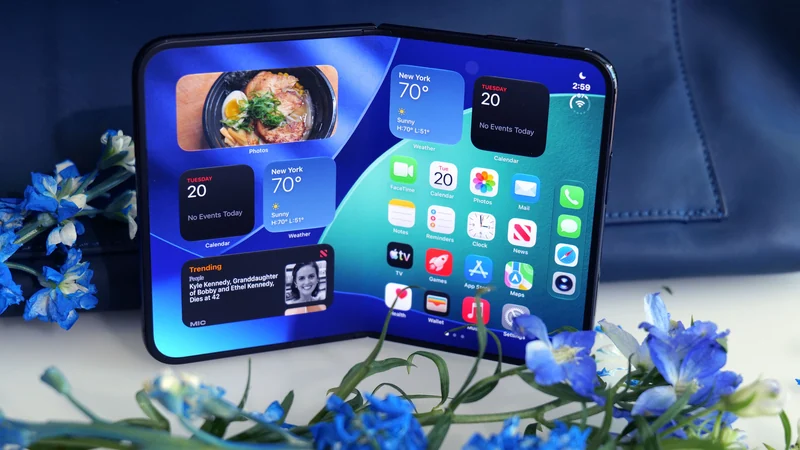
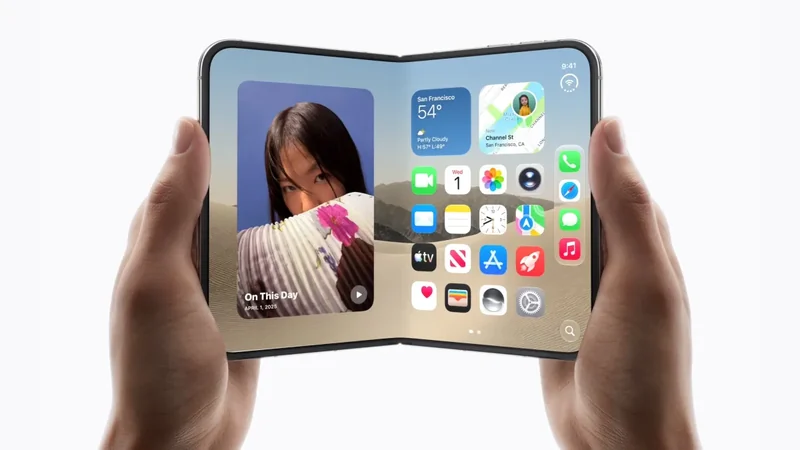
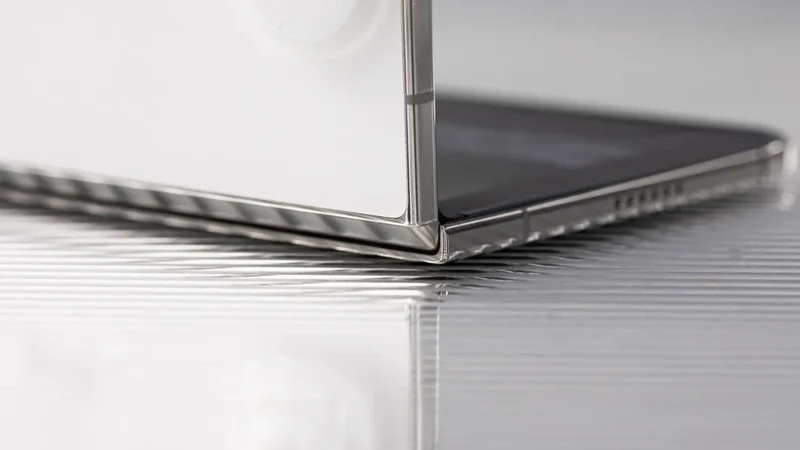
The earnings period also captured a dynamic window of hardware experimentation and product category expansion for Apple. Among the most notable announcements was the introduction of the company's [ first folding phone, the iPhone Duo ], though preorder sales for this device were not factored into this specific earnings report.
Consumer demand for the folding device proved robust right out of the gate. Initial retail availability was constrained, meaning [ Apple only had a “limited” number ] of iPhone Duo units ready for immediate in-store purchases on launch day, with subsequent consumer shipment projections stretching well into the future.
Smart Home Push and Touchscreen MacBooks
Apple has actively shaken up additional corners of its product portfolio through several major hardware introductions over the past several weeks. The company made a notable strategic push into the smart home ecosystem by revealing its [ first smart home display ], alongside a new suite of security cameras, video doorbells, and door locks developed through collaborations with industry partners like LG and Schneider Electric.
Additionally, Apple surprised industry observers by showcasing a redesigned MacBook Pro featuring a fully integrated touchscreen—marking a dramatic shift for a notebook design choice that corporate executives had historically resisted for years. As Apple transitions into the holiday shopping season, these diverse product lines position the company across multiple lucrative consumer technology categories.
Sources
- The VergeApple set an iPhone sales record even without a new standard iPhone
Continue chronologically

Related entity coverage
Related stories
Apple Cannot Predict When iPhone Duo Supply Will Balance
Apple CEO John Ternus says the company cannot predict when iPhone Duo supply and demand will balance amid ongoing supply chain constraints.
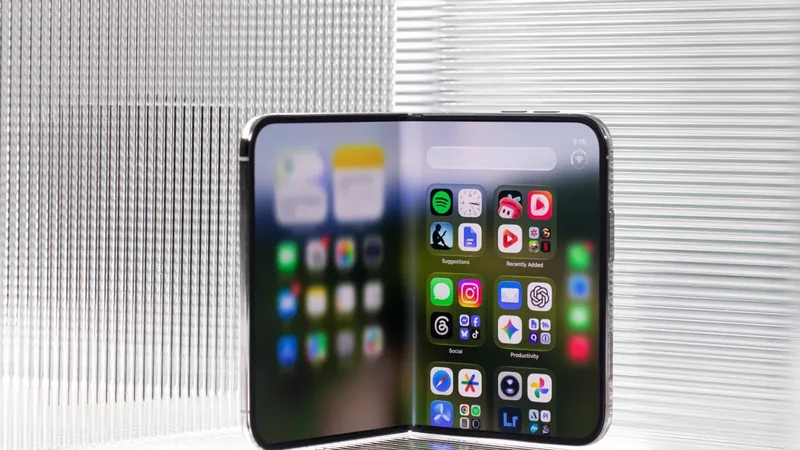
Apple Warns It Is Hard to Predict iPhone Duo Constraints
Apple says iPhone Duo production is ramping up, but it still cannot say when supply will catch up with demand amid shipping delays.
Apple Acknowledges iPhone Duo Display Issue After Cracked Screens
Apple acknowledges an inner display issue affecting a small number of iPhone Duo units, directing affected customers to contact AppleCare.
Apple iPhone Duo Review: Inside Apple's First Foldable Phone
Read the comprehensive review of the Apple iPhone Duo, Apple's first-class foldable handset featuring dual screens, an A20 Pro chip, and a titanium build.