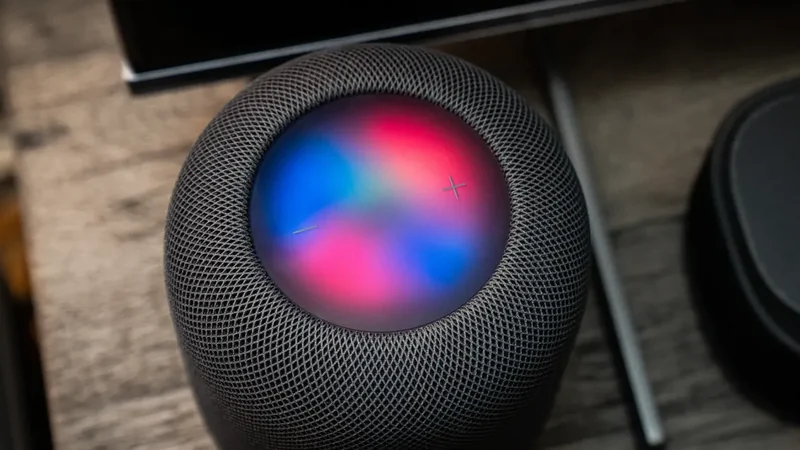
Apple's HomeView Sparks New Debate Over Online Recipe Formatting
Apple's latest smart display simplifies online cooking instructions, raising fresh concerns among digital food writers and independent recipe developers about lost revenue and missing context.
 Radwan AbdulhadiEditor and technology writer
Apple's HomeView and the Kitchen Routine
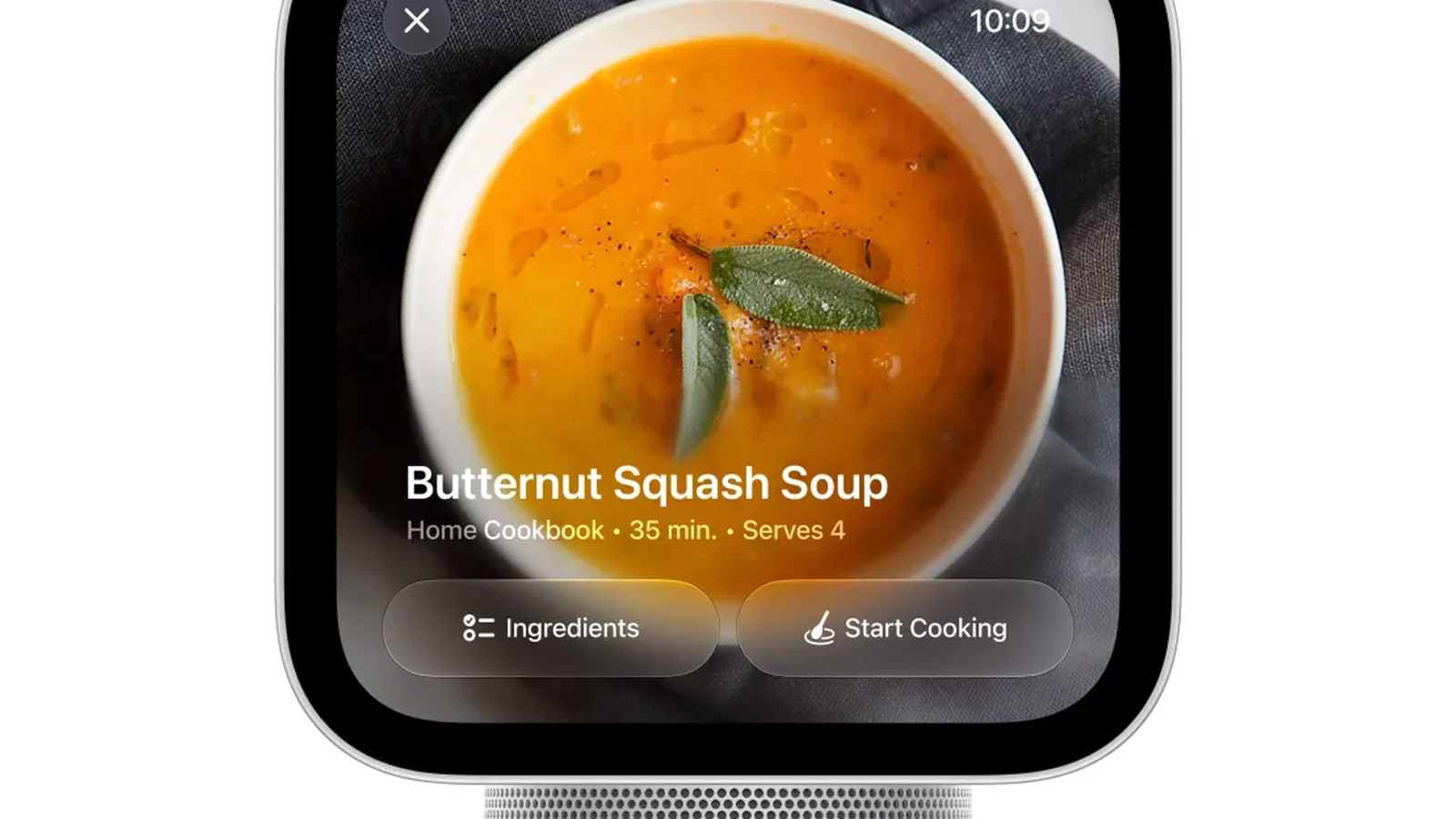
When Apple introduced its latest smart home hardware to the public, it chose an unconventional marketing angle. Instead of showcasing pristine technology in immaculate environments, the company released a three-minute promotional clip focusing on a hectic morning routine for a family of five. At the center of the household chaos sat the device, designed to assist with family calendars, messaging, and quick recipe lookups. Further details are available from The Verge in the original source material.
The hardware relies on simplified, step-by-step guidance that allows users to navigate cooking instructions hands-free using voice controls and Siri AI. By stripping away lengthy web page scrolling, the software delivers ingredient lists, instructions, and timers directly to the user without requiring them to touch a screen with messy hands. Further details are available from HomeView in the original source material.
Impact on Online Recipe Writers and Revenue
While the feature offers obvious convenience for home cooks, it presents significant challenges for the culinary professionals who develop the content. Food writers frequently depend on ads, affiliate links, and reader engagement across their pages to recoup the costs of testing and publishing recipes. Tools that extract only the basic instructions break the unspoken social contract between recipe developers and their audiences.
The online recipe ecosystem encompasses major publishing platforms, dedicated food sites, independent blogs, newsletters, and social media channels. Although long personal anecdotes at the beginning of food blogs often frustrate users, they serve a functional purpose. Writing padding is frequently utilized to meet search engine optimization requirements and provides the primary text that creators can legally copyright.
Traffic Mechanics and the User Experience
There are minor protections built into the platform's workflow. To load a recipe onto the display screen, users must first open the page on an iPhone or through Safari directly on the hardware. This ensures that the original web page receives at least one initial visit and ad impression, though industry observers note this remains far less valuable than the prolonged engagement of a user scrolling through an entire page.
Furthermore, experts point out that readers may miss essential troubleshooting details or substitution advice that is normally included in the surrounding text. For those who wish to bypass introductory text entirely, most established food blogs already feature functional jump buttons at the top of their pages, rendering complaints about personal essays largely unnecessary.
A History of Industry Friction
Apple is far from the first technology firm to attempt streamlining online cooking instructions. In past years, third-party startups attempted similar models by stripping away advertisements and personal stories, though heavy public backlash quickly forced those projects offline. Major technology competitors have experienced varying degrees of success with comparable features on their own hardware lines.
Amazon previously integrated hands-free cooking options with partner publishers on its smart display devices, while Google offered similar functionality on past hardware before retiring several underutilized options. Meanwhile, modern search engines utilize advanced artificial intelligence models to amalgamate recipes directly into search results, creating even broader challenges for original content creators who risk losing click-through traffic entirely.
Future Outlook for Independent Creators
Established platforms and major publishers may mitigate some impacts by casting content directly to compatible displays through existing protocols. However, smaller independent developers lack the resources to easily adapt to every new hardware interface. Many independent culinary writers continue evaluating alternative business models, including direct-to-reader newsletters, paid subscriptions, and brand sponsorships, as traditional web traffic patterns continue to evolve.
Sources
- The VergeApple’s HomeView is just the latest threat to online recipe writers
Continue chronologically


Related entity coverage
Related stories
Amazon October Prime Day Deals Guide Highlights Tech Sales
Explore the best October Prime Day deals featured in the guide by The Verge, covering laptops, mobile devices, and popular consumer electronics.
Amazon Prime Day Wearable Deals Feature Apple, Google, Samsung
Explore the best Amazon Prime Day wearable deals on smartwatches and fitness trackers from Apple, Google, Samsung, and more before the sale ends.

October Prime Day Tech Deals Highlight Apple, Sony, and Google Gear
Explore the top October Prime Day tech deals featuring major discounts on Apple, Sony, Google, and alternative retailers offering savings on gadgets.
Apple Prepares First Dedicated Smart Home Event
Apple hosts its first dedicated smart home event in New York City, where new hardware including a smart display and Siri AI integrations are expected.