OpenAI Explores the Future of Corporate Org Charts
A recent essay looks at how artificial intelligence could reshape organizational structures, corporate hierarchies, and workplace roles during the transition into the intelligence age.
 Radwan AbdulhadiEditor and technology writer
The Shifting Landscape of Work
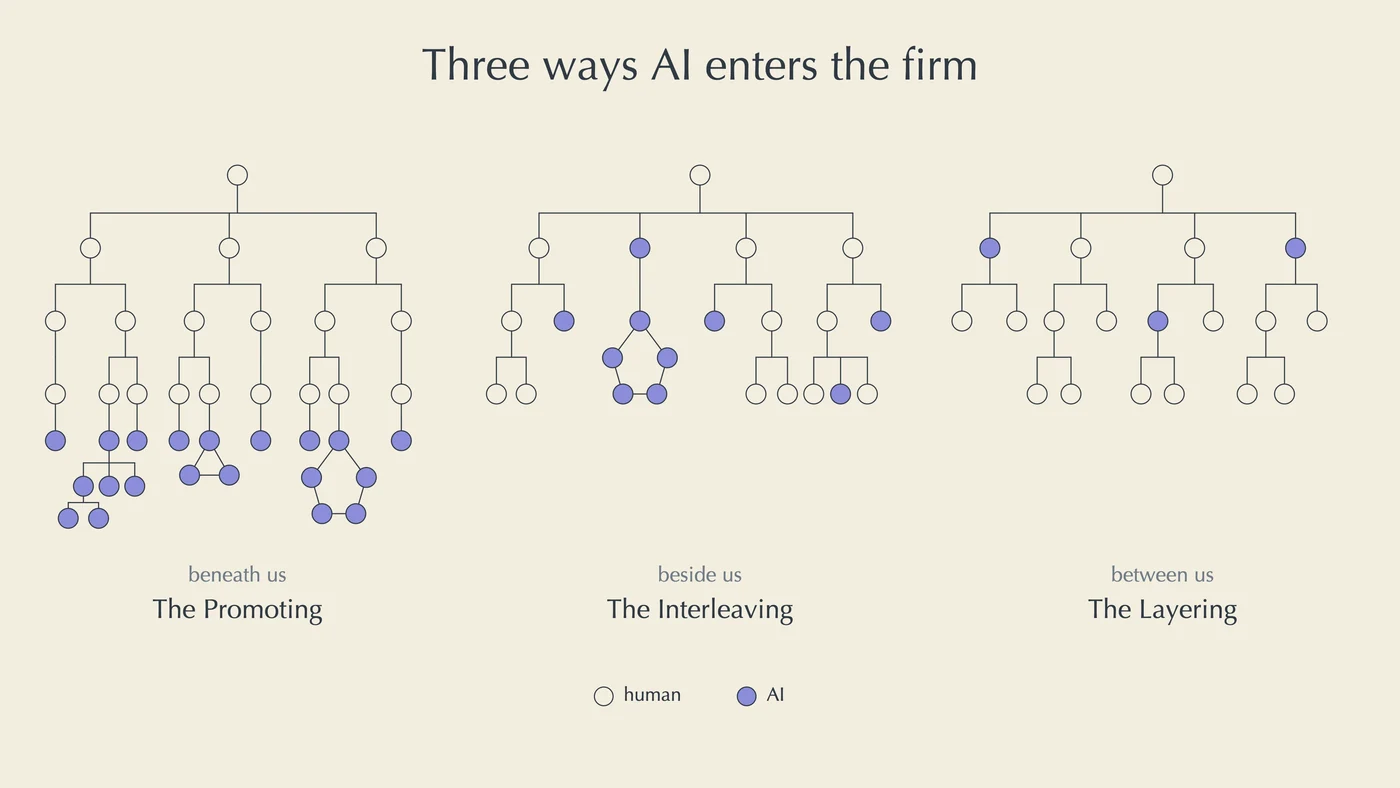
As artificial intelligence continues to advance, the traditional corporate ladder is facing new possibilities for reorganization. A recent essay published by OpenAI News outlines how intelligent systems might enter organizational charts beneath, beside, and between human employees as part of a series exploring the next economy on a new platform.
Rather than focusing entirely on total automation, the discussion centers on a transitioning economy where hybrid firms emerge. As models improve and lace themselves into existing organizations, productive adoption happens gradually as labor learns the firm and helps onboard the new technology.
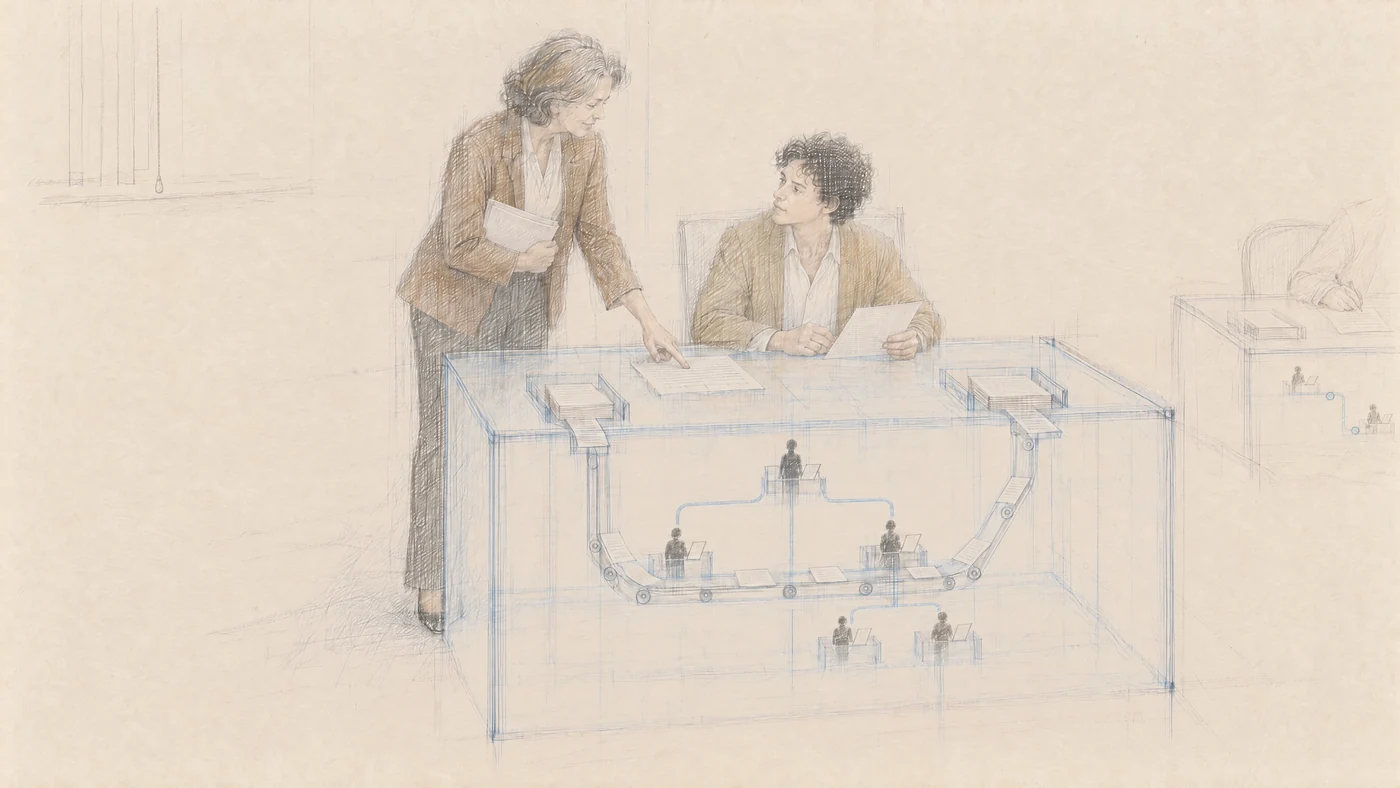
Scenario One: AI Beneath Us
The first scenario envisions individuals keeping their current seats while a new basement of AI labor grows underneath them. Every person effectively becomes a manager, starting with a few digital assistants or interns and eventually overseeing miniature operations that report upward.
In this setup, routine administrative duties and repetitive tasks are delegated to agents, freeing workers to focus on communication, coordination, and creativity. Proponents of this view note that jobs are not static, and increased productivity can lead to broader ambitions where wages can rise alongside output.
Scenario Two: AI Beside Us
A second structural possibility places artificial intelligence directly alongside human employees as a colleague. In this configuration, digital systems work directly for existing human managers and executives, taking on specific functions before expanding to broader operational roles.
As these systems take on more complex responsibilities, they report higher up the flagpole. This approach allows organizations to integrate capabilities incrementally, utilizing ground-level familiarity to ease the transition before executing broader structural overhauls.
Scenario Three: AI Between Us
The third and perhaps most unintuitive scenario places artificial intelligence directly between human workers. In this setup, humans operate both above and below the technology, allowing AI to coordinate and monitor workflows.
The system acts to enforce executive vision while simultaneously recognizing the unique contributions made by enterprising workers. While none of these three scenarios are expected to unfold in isolation, elements of each are already beginning to take shape across modern workplaces.

Economic Implications and Productivity
The transition toward hybrid firms raises broader economic questions regarding red tape, worker agency, firm size, and pay disparity. Historical technological shifts demonstrate that productivity rises and ambition follows, enabling workers to add value in evolving ways.
Ultimately, the long-term equilibrium of working hours and labor force participation will depend on consumer appetite for expanded output. Historically, society has opted for greater consumption rather than reduced working hours, a trend that may continue as artificial intelligence reshapes the modern enterprise.
Sources
- OpenAI NewsThe future of the firm
Continue chronologically

Related entity coverage
Related stories
OpenAI argues execution, not just insight, drives progress
OpenAI's new essay suggests advanced AI's greatest value lies in routine execution, addressing the rising cost of turning brilliant ideas into reality.

OpenAI Finds Workers Building AI Tasks Into Jobs
OpenAI research finds workers increasingly return to AI-assisted tasks outside their usual roles, potentially broadening jobs without changing titles.
OpenAI Explores Data Center Rebrand to AI Compute Campuses
OpenAI prepares a post-midterm PR campaign and considers rebranding data centers to AI compute campuses amid political shifts.

Heimstaden Transforms Real Estate Management With OpenAI
European real estate operator Heimstaden is transforming property management, cutting costs, and empowering employees using OpenAI technology.