OpenAI Dot vs. Meta Muse: AI Agents Compared
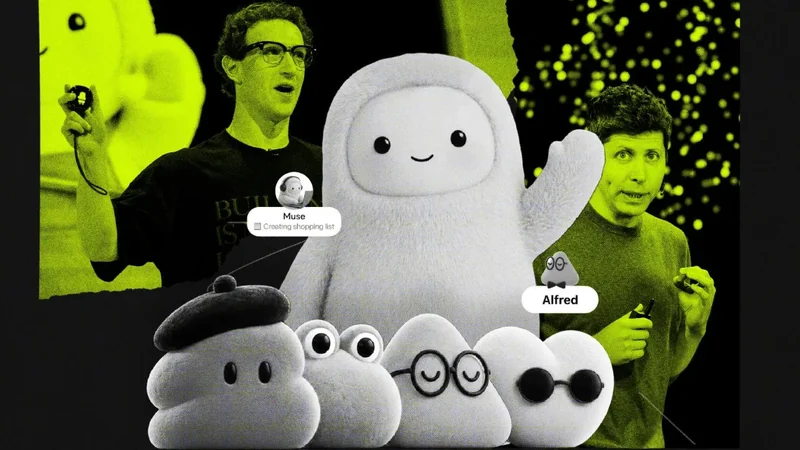
Meta and OpenAI have introduced advanced AI agents designed to operate continuously, handle complex workflows, and execute tasks even after users step away from their devices.
 Radwan AbdulhadiEditor and technology writer
Introduction to Next-Generation AI Agents
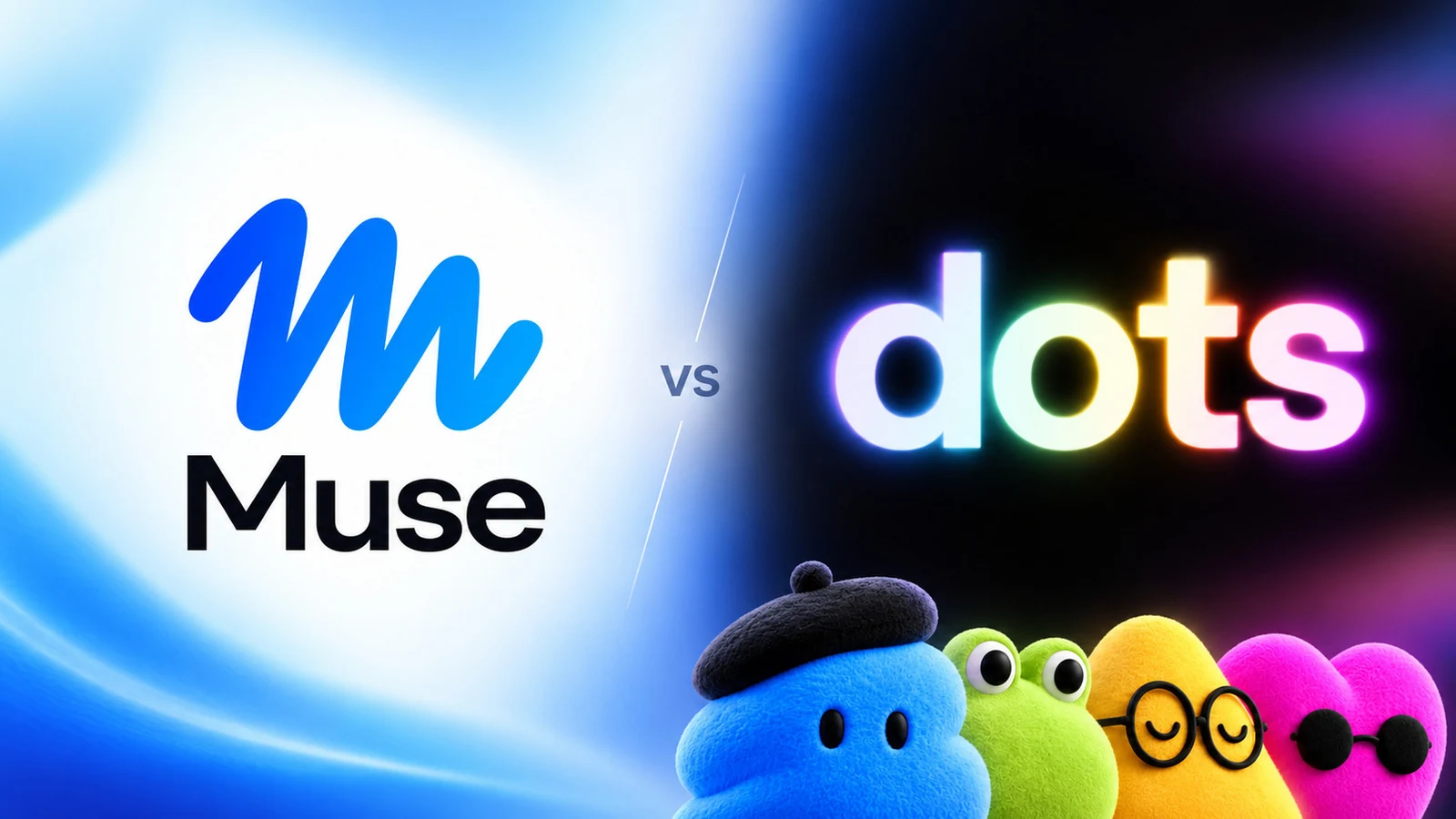
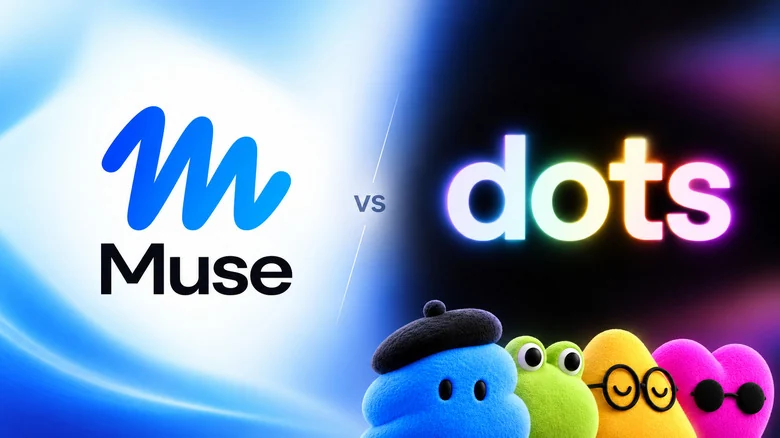
The latest wave of artificial intelligence development has shifted focus away from basic prompt-response chatbots toward autonomous assistants capable of performing ongoing tasks. Both companies have introduced systems designed to operate long after users leave their screens. According to an overview detailed on Engadget, Meta and OpenAI's new AI agents are in direct competition.
Meta released Muse on September 8, while OpenAI rolled out its always-on agents within ChatGPT three weeks later. These digital assistants can run their own cloud computers, connect to external services, and execute multi-step workflows. While the promise of automation allows users to hand off time-consuming tasks without constant supervision, both tools highlight distinct architectural and operational strategies.
Capabilities and Core Functionality
The scope of tasks handled by these agents spans shopping, scheduling, and research. Muse can go shopping, complete forms, make travel plans, send emails, and monitor things like pricing trends. For instance, in Engadget's hands-on evaluation, Muse successfully converted saved Instagram and Facebook posts into organized collections of recipes and local restaurants.
On the other hand, OpenAI's assistants handle recurring jobs and multi-application workflows. As noted in reports covering OpenAI's new always-on agents, Dots can manage ongoing research, work across connected applications, and perform recurring tasks.
Furthermore, OpenAI is closely integrating these features with ChatGPT, Work and Codex, expanding how users manage daily productivity routines.
User Experience and Environment Design
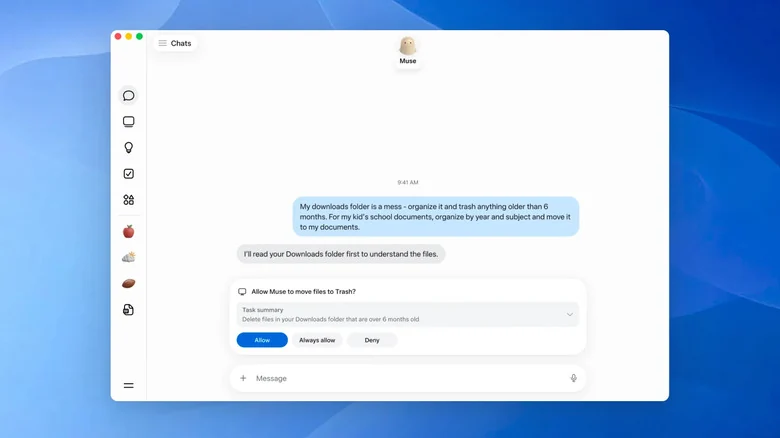
The user experience of each agent reflects its underlying platform structure. Muse operates on a dedicated Secure Virtual Machine equipped with its own web browser. It is built to feel conversational, resembling messaging another person, and can be accessed through dedicated mobile apps, the web, or WhatsApp before linking with external calendars or email accounts.
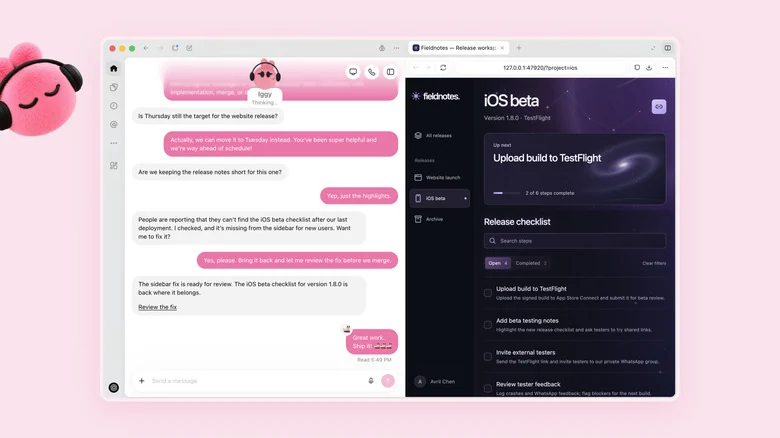
Conversely, Dot lives directly within the ChatGPT ecosystem and runs on GPT-6 Astra. Each Dot utilizes its own cloud computer, leverages connected plugins, and retains contextual history. Users can even grant a Dot access to their local computer to retrieve specific files or browse the web, with future updates planned to let individuals manage multiple Dots simultaneously.
Safety, Limitations, and Restrictions
Despite advanced capabilities, both systems require human supervision due to the inherent risk of errors. Meta notes that Muse prompts users for confirmation before initiating sensitive actions, such as sending emails or executing financial purchases. Similarly, OpenAI relies on permission controls, Custom Rules, and Auto-review features to govern Dot behavior.
External platforms have already begun setting boundaries against automated browsing. Demonstrating the current friction between automated tools and web platforms, Amazon has already blocked Muse from shopping on its site.
Pricing Models and Subscription Tiers
Cost represents one of the most noticeable divergences between the two competitors. Muse offers a free tier with a usage restriction, alongside Power and Maximum tiers priced at $20 and $100 per month, respectively.
OpenAI requires a significantly higher financial commitment for individual consumers. The entry point for individual users requires a Pro 100 subscription costing $100 per month. Business Premium seats are also priced at $100 per user per month when billed annually, or $125 per user per month when billed on a monthly schedule.
Privacy Practices and Regional Availability
Connecting personal accounts to an AI assistant grants access to sensitive emails, calendar entries, and browser history. Meta states that conversations and data processed inside its Secure VM are kept separate from advertising systems, and users can opt out of model enhancement. However, default settings may require manual adjustments.
OpenAI applies distinct policies based on account types. Activity generated by personal-plan Dots may contribute to model training depending on individual ChatGPT settings, whereas Business and Enterprise data remains excluded from training protocols by default. Proactive Dot research runs in read-only mode until a secondary action clears standard permission checks.
Availability varies widely across regions. Dots are currently rolling out to eligible Pro subscribers outside the European Economic Area, Switzerland, and the UK, while Business Premium users have access across supported ChatGPT regions with Enterprise tiers remaining in beta. Muse is presently accessible to users residing in the United States and Canada.
Sources
- EngadgetOpenAI Dot vs. Meta Muse: How do these AI agents compare?
Continue chronologically


Related entity coverage
Related stories
Meta's Muse Outpaces ChatGPT in Early U.S. Mobile Launch
New estimates from Apptopia show Meta's AI app Muse surpassed ChatGPT's early download and active user numbers in the U.S. and Canada within its first 12 days.

Meta Patches Zero-Day Vulnerability in Muse AI Desktop App
Meta has released a security patch for its Muse macOS application after a zero-day exploit allowed attackers to hijack the AI agent’s system privileges.
OpenAI Launches Dots, Its New Agentic AI Assistants
OpenAI has announced Dots, a new line of always-on AI assistants powered by the GPT-6 Astra model to compete with Meta's Muse AI.
Meta and OpenAI Battle in the New Consumer AI Agent Race
Meta and OpenAI are competing in the consumer AI agent market with Muse and Dots, sparking industry-wide debates over privacy and utility.