How WIRED and Others Enabled Elizabeth Holmes and Theranos
Reflecting on early media coverage, former WIRED editors examine how the magazine and broader press helped propel Elizabeth Holmes and Theranos into the spotlight.
 Radwan AbdulhadiEditor and technology writer
The Rise of a Silicon Valley Icon
Elizabeth Holmes, the disgraced founder of the fraud-ridden blood-test company Theranos, initially made her national press debut in The Wall Street Journal in 2013 through an opinion piece written by Joseph Rago. Rago highlighted the prospect of individuals gaining direct control over their health care, noting that former secretary of state George Shultz described Holmes as the next Steve Jobs or Bill Gates.
By 2014, Holmes had achieved the status of the youngest woman billionaire ever during an electric era for tech-industry success stories. At WIRED, the presentation of Theranos felt aligned with the magazine's ethos, appearing as evidence that a Silicon Valley approach could revolutionize medicine just as it had other industries.
Early Red Flags and the WIRED Interview
When editor Caitlin Roper proposed covering Holmes, the editorial team debated the direction of the piece. While some editors noted suspicious elements—such as a board of directors filled with military figures and government officials, and a total lack of peer-reviewed data—the publication ultimately decided to move forward.
Roper traveled to the company's offices in the Valley for an interview, encountering Holmes wearing a black turtleneck and speaking in a strange, low voice. During the visit, Roper underwent a minor finger-prick blood draw but was denied permission to follow the blood sample to the box, with company representatives citing health-and-safety concerns.
Ultimately, the reporting resulted in a Q&A format rather than a traditional feature because the technology and Walgreens partnership were difficult to validate. The article captured Holmes' answers, which later proved to be entirely fabricated.
Media Momentum and Subsequent Coverage
Following WIRED's coverage, other major publications followed suit. Fortune featured Holmes on its cover, The New Yorker published a profile, and Inc. named her 'the next Steve Jobs' in October 2015. However, the narrative shifted dramatically shortly afterward.
The Wall Street Journal published a report by reporter John Carreyrou with the headline 'Theranos Has Struggled with Blood Tests,' exposing deep flaws within the organization.
Subsequent revelations proved that the speedy and accurate blood tests were fake and the core innovative technology never existed, prompting major partners like Walgreens to terminate their business deals.
Reflecting on Tech Media Accountability
In the wake of the scandal and subsequent legal proceedings, former WIRED editors have frequently reflected on whether early media coverage enabled the rise of questionable tech figures. Discussions among the editorial staff continue to examine the line between covering visionary innovation and scrutinizing unverified scientific claims.
A new documentary film follows Holmes in the weeks leading up to her incarceration, bringing the historic corporate fraud back into public focus and prompting renewed questions about how early warning signs were overlooked.
Sources
- WIREDHow Elizabeth Holmes Tricked WIRED—and Everyone Else
Continue chronologically
Related stories
Elizabeth Holmes Documentary 'You Can See Everything' Hits Box Office
The new Elizabeth Holmes documentary 'You Can See Everything' achieves the second biggest opening weekend ever for a documentary film with $15 million.
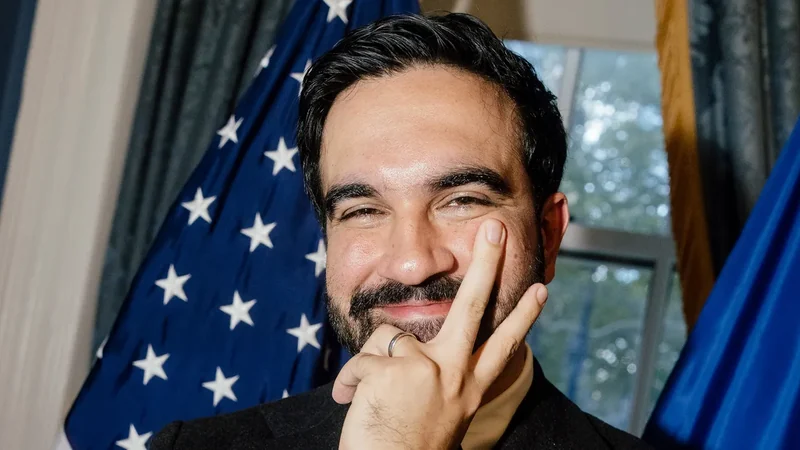
Zohran Mamdani Talks AI, Data Centers, and Governance
New York City Mayor Zohran Mamdani discusses data centers, artificial intelligence, and digital communication following his historic election.
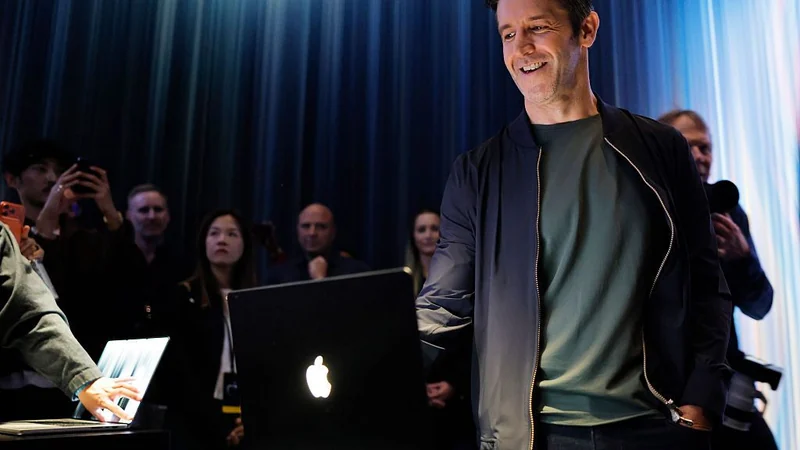
Apple CEO John Ternus Defends Company Position on AI
Apple CEO John Ternus recently defended the company's position in the artificial intelligence landscape, emphasizing a focus on user experience over hype.
Katie Zacharia Denies Ties to AI Mining Startup NRED
Short-lived White House press secretary Katie Zacharia and an AI-focused rare-earths mining startup both claim she never worked there, despite announcements.