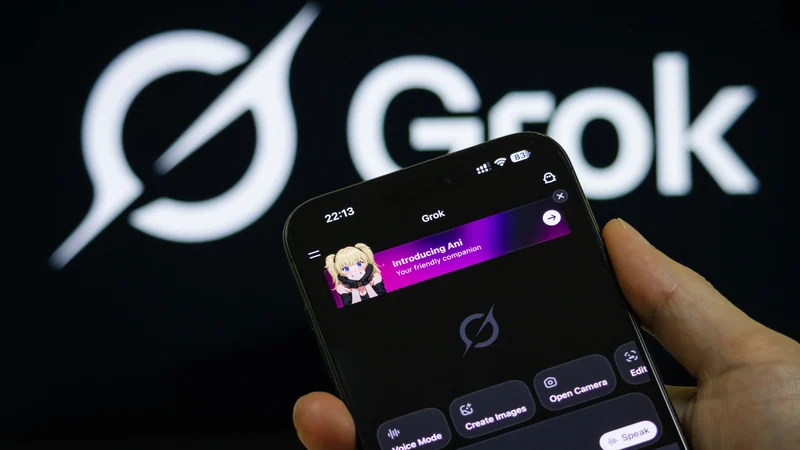
Grok Releases First Seven Minutes of AI-Generated Odyssey
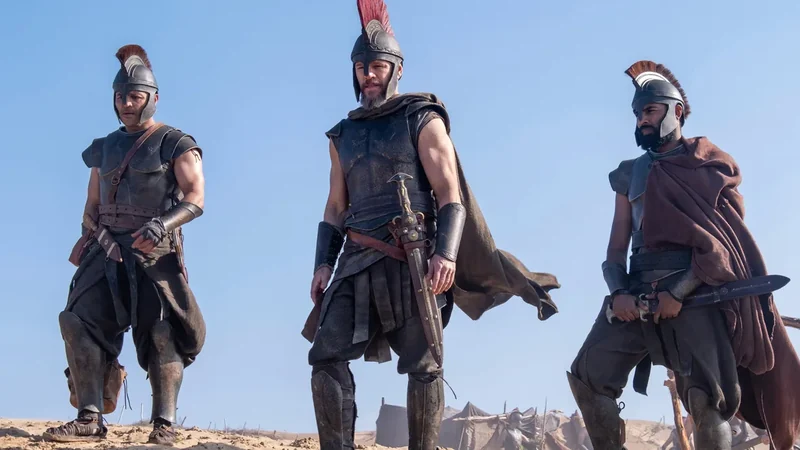
Following an announcement made months prior, Grok has released a seven-minute video segment as Episode 1 of its AI-generated Odyssey series.
 Radwan AbdulhadiEditor and technology writer
Grok Publishes First Seven Minutes of Odyssey
Three months after Elon Musk declared that Grok would release a full-length, historically accurate movie version of The Odyssey, the company has published a seven-minute segment now designated as Episode 1 of its Odyssey series. The release offers an initial look at the project after months of anticipation following the initial statements made by leadership. Detailed insights into the release were covered extensively by <a href="https://techcrunch.com/2026/10/25/grok-releases-the-first-seven-minutes-of-its-ai-generated-odyssey/">TechCrunch</a>.
The production was brought to life in creative collaboration with Wonder Studios and director Dev Walker. Viewers can examine the initial footage directly through the platform shared during the official announcement.
Contrast With Christopher Nolan's Version
Elon Musk had previously lashed out at Christopher Nolan’s version of “The Odyssey” because Nolan cast nonwhite and transgender actors in his production. The contrasting approaches highlight a broader ideological and technical divide in modern filmmaking and media generation.
Christopher Nolan has positioned himself as <a href="https://www.nytimes.com/2026/06/25/movies/odyssey-christopher-nolan.html">“a techno-skeptic</a>, expressing notable reservations regarding artificial intelligence and its rapid adoption across creative industries.
Industry Perspectives on Artificial Intelligence
Discussing the broader integration of automated systems into media, Nolan noted that before the rise of generative AI, he had never seen a technology where <a href="https://techcrunch.com/2026/07/19/odyssey-director-christopher-nolan-calls-ai-an-obvious-trojan-horse/">he’d never seen a technology “so completely rejected by the public.”</a> This viewpoint stands in stark contrast to executives who frequently champion automated pipelines and data infrastructure.
While tech leaders frequently promote expansive cloud architectures and infrastructure investments—similar to how leadership often hypes up data centers in space—traditional filmmakers emphasize human-driven artistry and physical production workflows.
Practical Filmmaking Versus Automated Generation
Nolan’s cinematic adaptation was <a href="https://www.nytimes.com/2026/06/25/movies/odyssey-christopher-nolan.html">primarily a feat of practical filmmaking</a>, utilizing extensive physical locations across six countries and employing a cast and crew numbering in the thousands.
Following its theatrical debut, the film proved to be <a href="https://www.boxofficemojo.com/title/tt33764258/?ref_=bo_se_r_1">an extraordinary box office success</a>, maintaining packed screenings <a href="https://theankler.com/the-odyssey-is-sold-out-through-august-and-theaters-fear-an-imax-trap/">for months</a> and positioning itself as <a href="https://www.vulture.com/article/oscars-2027-predictions-the-odyssey-vs-everyone-else.html">the likely front-runner at the next Academy Awards</a>.
Critical Reception of Grok's Episode 1
Critics analyzing the newly released Grok footage have observed that while certain individual shots achieve a technical simulacrum of reality, the overall production lacks artistic inspiration and narrative momentum. Observers noted that the visual execution avoids extreme distortion but ultimately results in an airless viewing experience without distinct human interest.
As development on the Odyssey series continues, industry watchers remain focused on whether generative video models can expand beyond short clips to sustain viewer engagement across a full-length feature presentation.
Sources
- TechCrunchGrok releases the first seven minutes of its AI-generated ‘Odyssey’
Continue chronologically
Related stories
Grok Admits Its AI Odyssey Adaptation Is Not Accurate
Months after Elon Musk vowed that xAI would produce a historically accurate version of The Odyssey, the chatbot itself has admitted defeat.
SpaceX AI Business Surpasses Expectations in Third Quarter
SpaceX reports $14.6 billion in third-quarter revenue, driven by its growing artificial intelligence business and data center operations.
Elon Musk's Grok Lego Star Wars Post Leads to Exploits
Elon Musk shared a screenshot of his Grok-assisted Lego purchase, inadvertently leaking order details that X users quickly targeted.

SpaceXAI's Grok: What's free in 2026 and what isn't
Discover what features are included in SpaceXAI's Grok free tier in 2026, and learn about the limitations, paid plans, and SuperGrok upgrades.