ChatGPT-6 Astra Cracks 217-Year-Old Napoleonic Code
A complex historical cipher left unsolved since the Napoleonic Wars has been deciphered in just six hours by OpenAI's language model following a single image and prompt input.
 Radwan AbdulhadiEditor and technology writer
Unlocking a Century-Old Historical Mystery
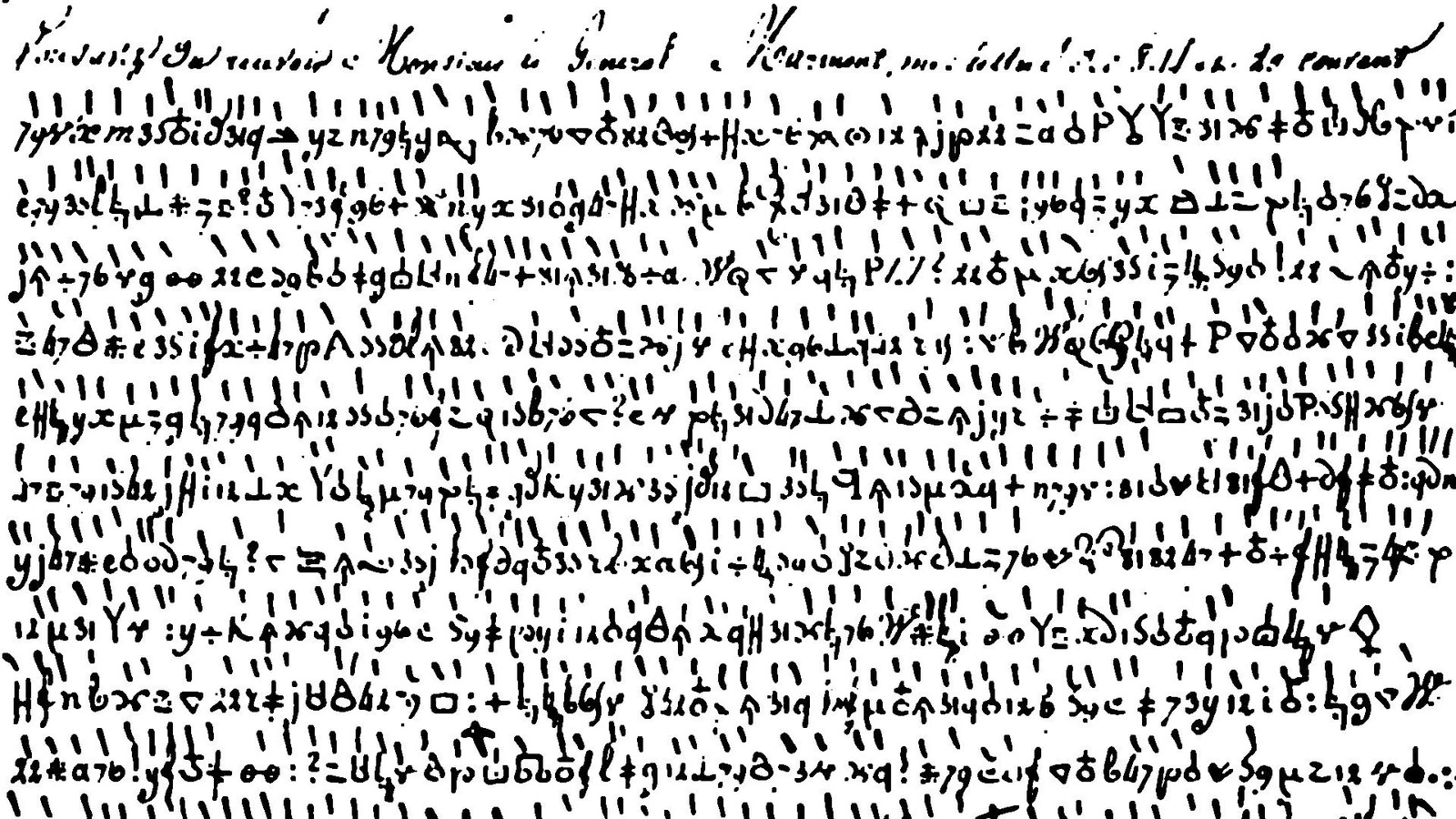
An artificial intelligence engineer has successfully leveraged advanced technology to reveal the contents of a cipher that had remained unread since the Napoleonic Wars. Carter Church, an engineer working at the cybersecurity company SentinelOne, utilized the advanced capabilities of OpenAI's large language model to crack a message hidden within a 217-year-old code. According to details shared regarding the project, the cipher had sat unsolved among Cryptiana's Unsolved Historical Ciphers list for decades.
Rather than requiring an extensive training process or iterative manual intervention, the model unpicked the historical puzzle within roughly six hours. Notably, the entire task was initiated using only a single image and a prompt, demonstrating a streamlined multi-modal workflow. Detailed accounts of the process and a downloadable solution package are available on Carter Church's blog. Further details are available from Facebook in the original source material.
Origins of the Decoded Napoleonic Message
While the historical document relates to military operations from the era, the decrypted message was not written directly by Napoleon himself. Instead, historical analysis indicates that the correspondence originated from the headquarters of Eugène de Beauharnais, who served as the Viceroy of Italy and was Napoleon's stepson. The dispatch itself does not bear the signature of any particular individual.
The contents of the message function essentially as a troop briefing directed to French General Auguste de Marmont, relaying strategic orders from Napoleon. Although General Marmont would have originally deciphered the communication using an official military codebook from the period, historians note that it is highly unlikely anyone had successfully read the message again since 1809.
Bridging Missing Gaps in Historical Memoirs
The freshly deciphered text offers unexpected historical value by filling in missing context from Napoleon’s 1865 memoir. The published volume includes a portion of Napoleon's order concerning preparations for an Austrian invasion, but the passage abruptly breaks off mid-sentence with the warning that Marmont must not be held back by "a handful of ..."
By examining the newly decoded data obtained from the historical cipher database, researchers were able to complete the interrupted sentence. The record explicitly finishes the phrase with the words “a gathering of rabble,” shedding new light on the historical documentation of the period.
Technical Execution and Algorithmic Success
The source material for the decryption featured a page that begins with a plain text introductory line written in French. This introductory text is followed immediately by 24 rows consisting of numbers, letters, and custom invented symbols representing the encrypted instructions.
The model made short work of the complex 19th-century military secret, utilizing a partial key that was previously unconnected with the letter as a foundational clue. Following this initial clue, the multi-modal processing capabilities of GPT-6 Astra cracked the remainder of the text using its own simulated-annealing solver, according to Church's technical commentary.
Verification and Independent Confirmation
To ensure accuracy and address any potential skepticism regarding the AI-generated results, the work underwent verification checks. The newly deciphered letter has since been officially marked as solved by Satoshi Tomokiyo, who maintains the online database of historical ciphers.
Furthermore, Church explained that the resulting solution is mechanically testable against the original ciphertext. Interested individuals can independently verify the findings by reviewing the published solution package and accompanying scripts.
Sources
- Tom's HardwareChatGPT-6 Astra cracks 217-year-old Napoleonic code in just six hours
Continue chronologically


Related entity coverage
Related stories
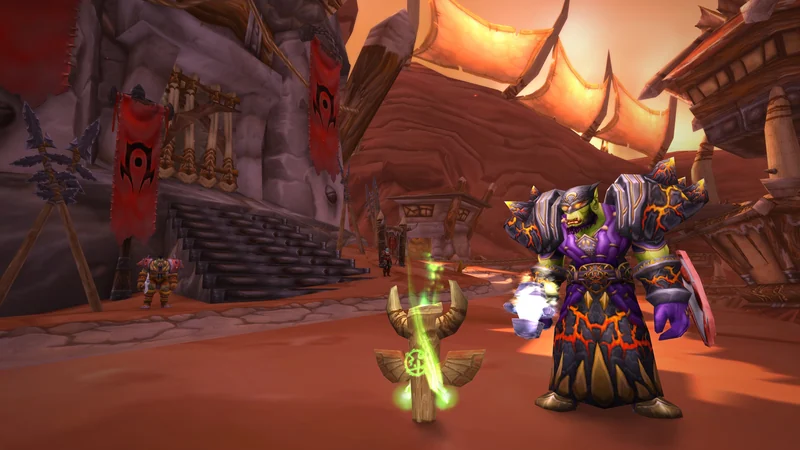
GPT-6 Astra Clears WoW Orc Zone Blind in 40 Minutes
OpenAI's GPT-6 Astra cleared World of Warcraft's Orc starting zone in 40 minutes with zero deaths by parsing raw server network packets and SQL files.
Airbnb expands access to GPT-6 Astra for engineering teams
Airbnb is widening access to OpenAI frontier models, including GPT-6 Astra, to help engineering teams solve bugs, design systems, and ship features faster.

OpenAI introduces Astra for Law for legal AI workflows
OpenAI has introduced Astra for Law, combining GPT-6 Astra with legal search, firm workflows, ecosystem plugins and confidentiality controls.

OpenAI Releases Practical Guide for GPT-6 Integration
OpenAI details model selection, reasoning effort tuning, context optimization, and production best practices for the GPT-6 model suite.