Anthropic IPO Filing Details Massive $800 Billion in Compute
Anthropic's newly released S-1 filing sheds light on the AI company's staggering infrastructure spending, compute distribution, and massive long-term hardware contracts.
 Radwan AbdulhadiEditor and technology writer
IPO Filing Reveals Heavy R&D Compute Allocation
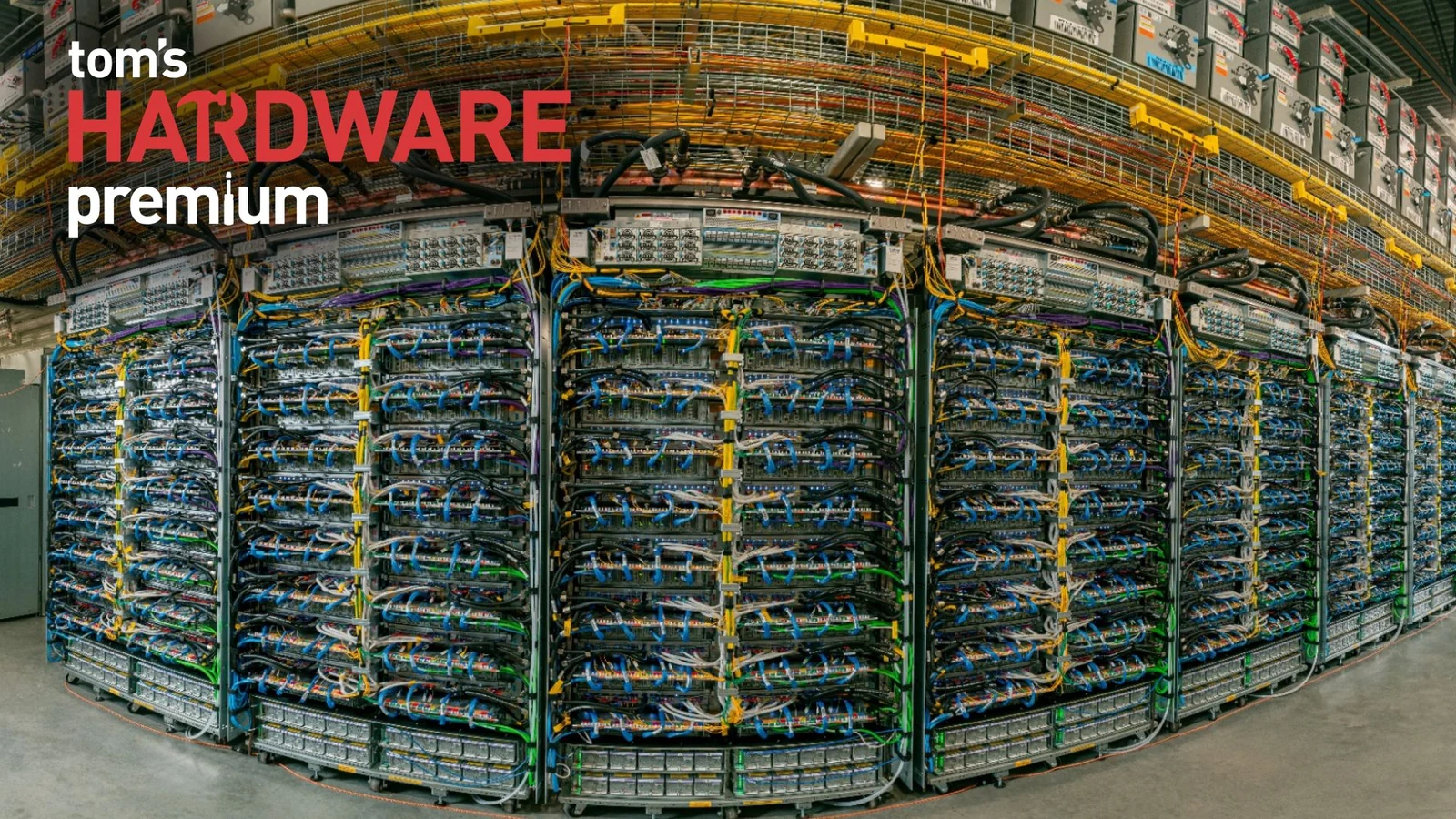
According to details revealed in its S-1 filing, AI startup Anthropic spent less than a third of its $8.9 billion first-half compute bill on serving paying customers. The majority of the company's substantial compute resources were instead directed toward training, research, and running the Claude model internally.
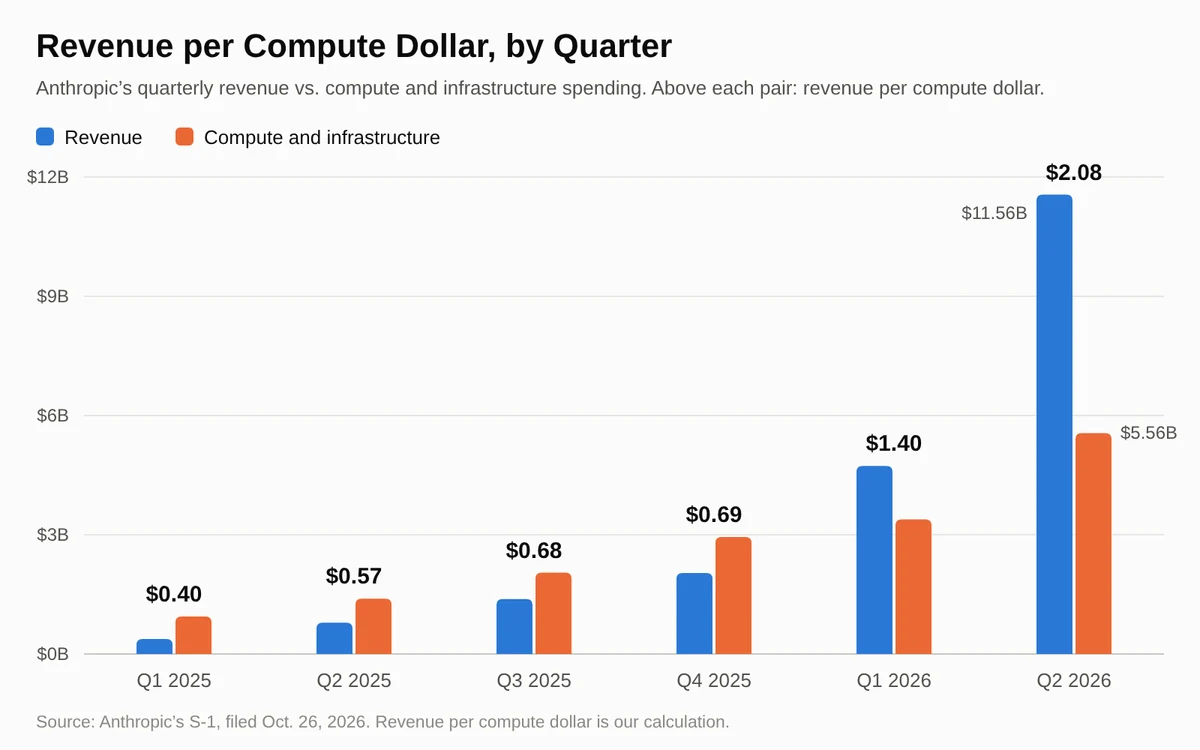
The public offering documents for Anthropic’s IPO provide a rare look inside the financial mechanics of leading generative AI laboratories. While the company generated $16.3 billion in revenue during the first half of the year while spending $2.4 billion to serve customers, the vast scale of its ongoing research commitments presents unique financial challenges.
Massive TPU and GPU Contract Commitments
Beyond its current operational costs, Anthropic has signed up for hundreds of billions of dollars more in Tensor Processing Unit (TPU) and Graphics Processing Unit (GPU) capacity. Calculations based on the filing indicate that the company has committed to roughly $800 billion in additional hardware capacity through various multi-year vendor agreements.
The company maintains a multi-chip compute architecture spanning hardware from multiple major providers, including AWS Trainium, Google TPUs, Nvidia GPUs, and AMD GPUs. However, the filing notes that the organization does not disclose precise percentage splits or specific gigawatt measurements for these diverse architectures.
Detailed Hardware Agreements and Leases
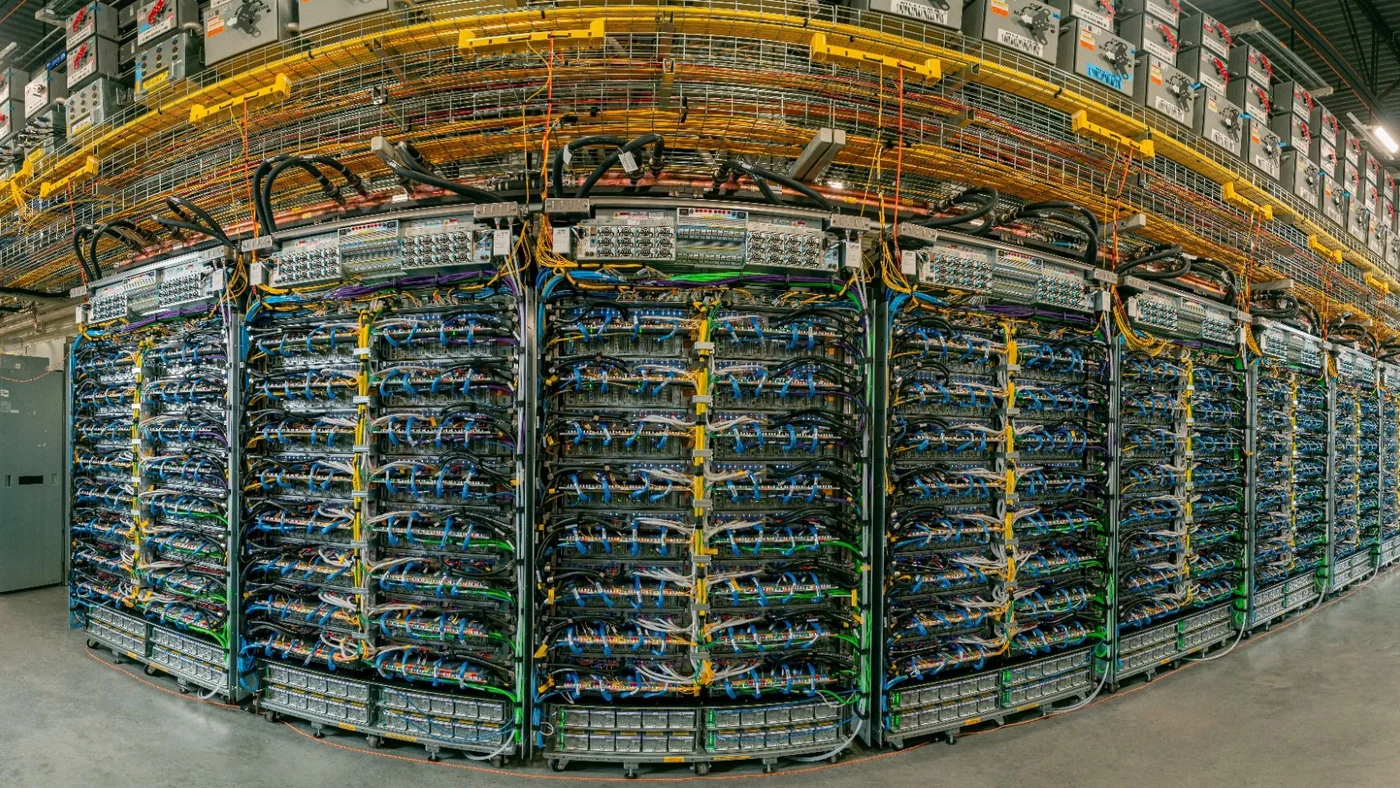
Among the largest obligations detailed in the filing are equipment leases and purchase commitments with Broadcom for TPU-based compute capacity, totaling approximately $161.2 billion in rent excluding interest across five-year terms. Some of this capacity has already come online, with additional allocations scheduled from 2027 onward.
Google is tied to another $114.5 billion or more between April 2026 and July 2033, alongside additional projected capacity ranging from $125 billion to $150 billion between 2028 and 2031. Meanwhile, Amazon will supply AWS Trainium chips via a deal valued at least at $110.0 billion running from May 2026 through April 2036.
Nvidia, Microsoft, and Partner Commitments
Nvidia hardware makes up another major component of Anthropic's future infrastructure pipeline. The company secured agreements including up to $120.5 billion extending into 2029 with SpaceXAI, at least $44.9 billion extending into 2033 with Microsoft, up to roughly $44.6 billion into 2033 with Nscale, and approximately $41.3 billion into 2034 with Lambda.
Additionally, an AMD hardware supply agreement could exceed $20.0 billion if Anthropic chooses to consume the full initial capacity. The company cautions that its financial margins may compress as this new hardware infrastructure lands ahead of the revenue streams it is intended to support.
Compute Constraints and Efficiency Gains
Anthropic operates as a single, shared resource across all workloads and has consistently functioned in a compute-constrained environment where customer demand surpasses available supply. This persistent shortage implies that customer-serving costs were previously restricted by hardware availability rather than strict efficiency limits alone.
At the same time, the company has lowered task execution costs for its user base through architectural improvements. Models such as Opus 5.5 and Fable 5.1 reduced typical workload expenses by introducing a combination of lower pricing and enhanced computational efficiency while successfully preserving operating margins.
Sources
- Tom's HardwareAnthropic’s IPO filing shows most of its compute goes to R&D, not serving customers — company details massive $800 billion in TPU and GPU contracts
Continue chronologically


Related entity coverage
Related stories
AI Executives Sign Pledge to Self-Police Development
Top artificial intelligence executives from leading tech labs have gathered in Washington to sign a new joint commitment focused on safe development.
Anthropic Files S-1 Prospectus for Nasdaq IPO
Anthropic has filed its S-1 prospectus with the SEC to list on Nasdaq under the ticker ANT, detailing financials, risks, and compute deals.

Nvidia Weighs Cosigning Debt for Nscale AI Data Center
Nvidia is reportedly in talks to provide billions in credit support for Nscale's planned Anthropic AI data center project in West Virginia.
Former OpenAI Safety Lead Exits, Calling Culture Broken
David Robinson leaves OpenAI after more than three years, citing a reactive safety culture, a failed kill switch, and a July HuggingFace hack.