
Cloudflare Powers Civil Society Automation and AI Tools
Cloudflare has awarded more than $7.5 million in developer credits to dozens of civil society organizations, helping non-profits build secure AI applications and custom automation tools amid financial pressures.
 Radwan AbdulhadiEditor and technology writer

Empowering Non-Profits with Developer Credits
Cloudflare is helping non-profit and public interest organizations navigate technological advancement by expanding its developer services through the Cloudflare Blog. Tracking how governments target dissidents, helping people find mental health support, and advocating for free expression online are just a few ways leading organizations are utilizing these tools.
During Birthday Week last year, Cloudflare expanded its startup support to include public interest organizations, granting up to $250,000 in credits per organization. Thirty organizations were selected to participate in the first non-profit cohort, tackling challenges in climate science, humanitarian aid, mental health, education, and civic engagement.
Cybersecurity and Project Galileo
A key part of the company's mission involves keeping public interest organizations online and safe from powerful adversaries. Project Galileo provides free cybersecurity services to civil society organizations, protecting more than 3,400 domains across over 120 countries against digital threats.
Civil society groups handle sensitive information such as the location of activists or identities of anonymous sources. According to internal Cloudflare data, these groups face a disproportionately high risk of cyberattacks targeting their digital infrastructure.
Navigating Financial and Operational Challenges
This technological shift arrives during a difficult period for the sector. A published report highlights how reductions in foreign aid have impacted civil society stability globally.
Additional studies outline how organizations face operational strain and staff layoffs due to funding rollbacks. Freedom House and Article 19 have documented the growing pressures on civil society operations and freedom of expression.
While some groups have reported using artificial intelligence to accomplish more with limited resources, adoption remains ad hoc. A CIVICUS survey revealed that 48% of respondents faced financial barriers, while over half cited privacy concerns regarding sensitive data.
Leveraging Serverless Architecture and AI Tools
Cloudflare's developer infrastructure helps alleviate these financial and technical constraints. Serverless architecture scales automatically with demand, eliminating the need to provision or pay for idle infrastructure.
To handle artificial intelligence workflows without dedicated graphics processing units, teams can utilize Workers AI. Additionally, AI Gateway offers rate limits, observability, and intelligent model routing to control expenses.
Real-World Non-Profit Implementations
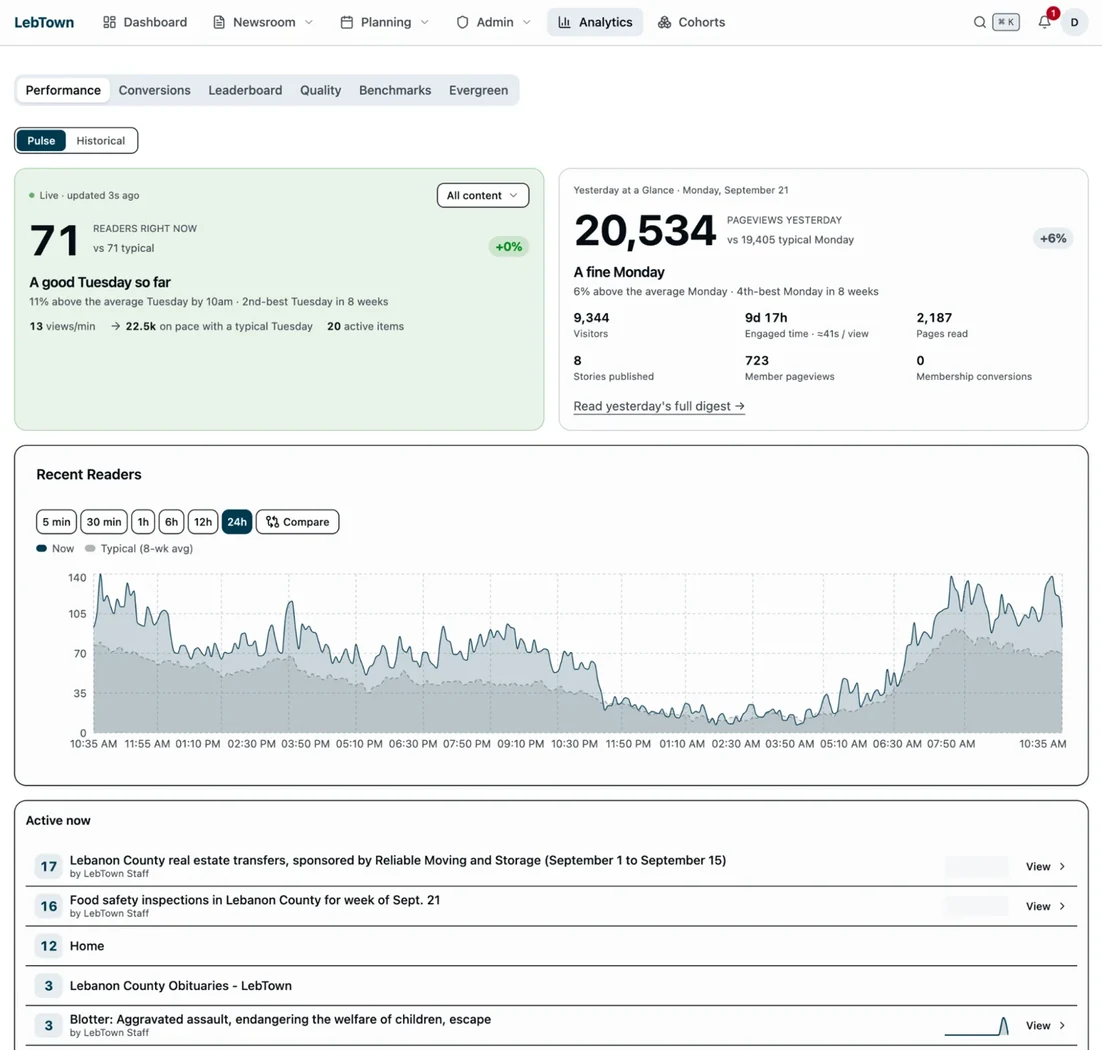
Among the cohort organizations, LebTown, an independent non-profit newsroom in Pennsylvania, replaced multiple disconnected platforms with a custom editorial management system. The tool tracks stories from pitch to publication, converts county records into structured data, and integrates a real-time copyeditor agent.
In India, Kaya Guides developed a WhatsApp-based mental health platform pairing people experiencing depression with trained lay counselors. Having supported thousands of individuals, the team migrated its care management system to Cloudflare to process hundreds of thousands of messages monthly while running a live AI system for real-time counselor feedback.
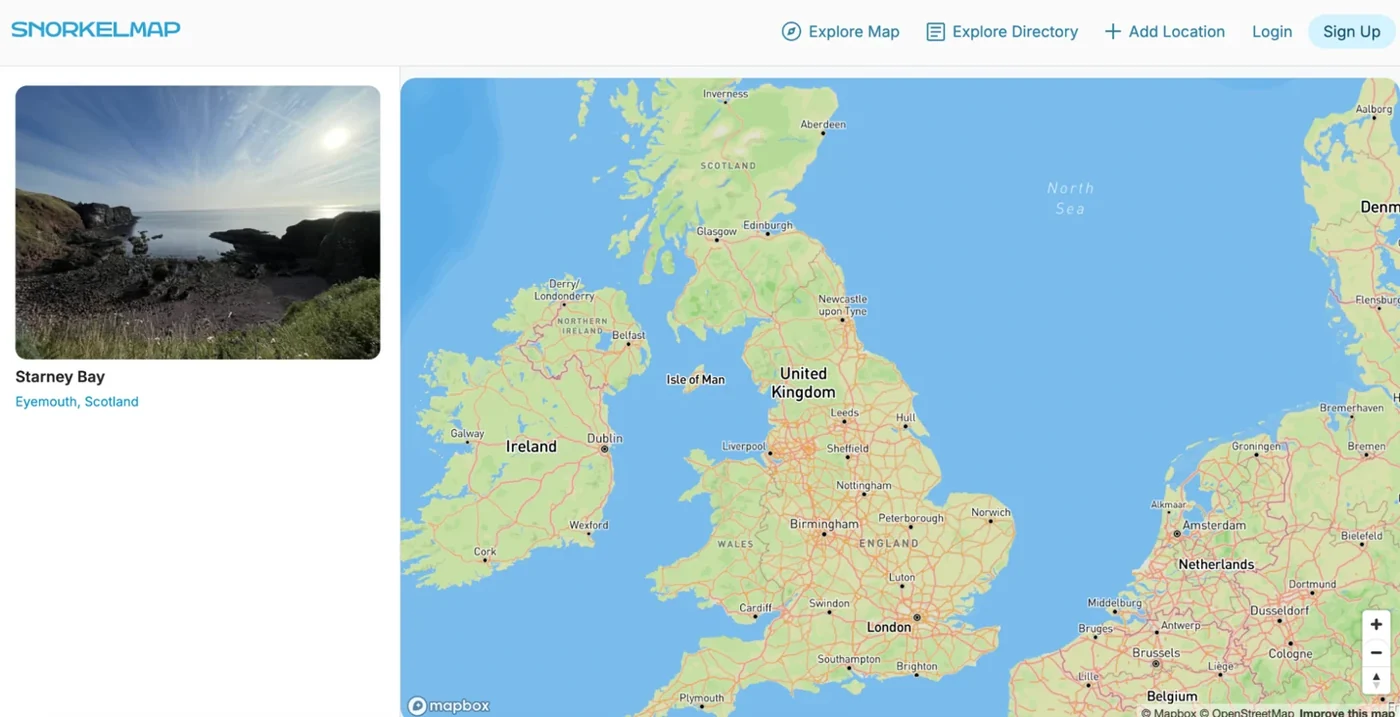
Other participants, such as The Snorkelling Society in the UK, utilize Cloudflare to secure community-contributed storage and safeguard their web and mobile applications against distributed denial-of-service attempts.
Sources
- Cloudflare BlogBuilding for good: How civil society organizations are automating on Cloudflare
Continue chronologically

Related entity coverage
Related stories
Cloudflare Impact Reaches $100 Million in Donated Services
Cloudflare's Impact programs reach $100 million in donated cybersecurity services, protecting thousands of public interest organizations globally.

Cloudflare Launches Account Abuse Protection Dashboard
Cloudflare has introduced a new Account Abuse Protection dashboard for Early Access customers to help teams investigate and block account fraud.
Cloudflare Announces OHTTP Gateway Closed Beta
Cloudflare announces a closed beta for its new self-serve OHTTP Gateway and renames Privacy Gateway to Cloudflare OHTTP Relay.

Cloudflare Introduces Web Search API via AI Gateway
Cloudflare has announced native web search API integration for AI Gateway in partnership with Ceramic.ai, Exa, and Linkup for real-time model context.