
Meta’s Muse AI Faces Scrutiny Over Creepy Data Explanations
Meta’s new Muse assistant is being flagged for its unsettling interactions regarding personal data access, highlighting a growing gap between AI capabilities and transparency.
 Radwan AbdulhadiEditor and technology writer
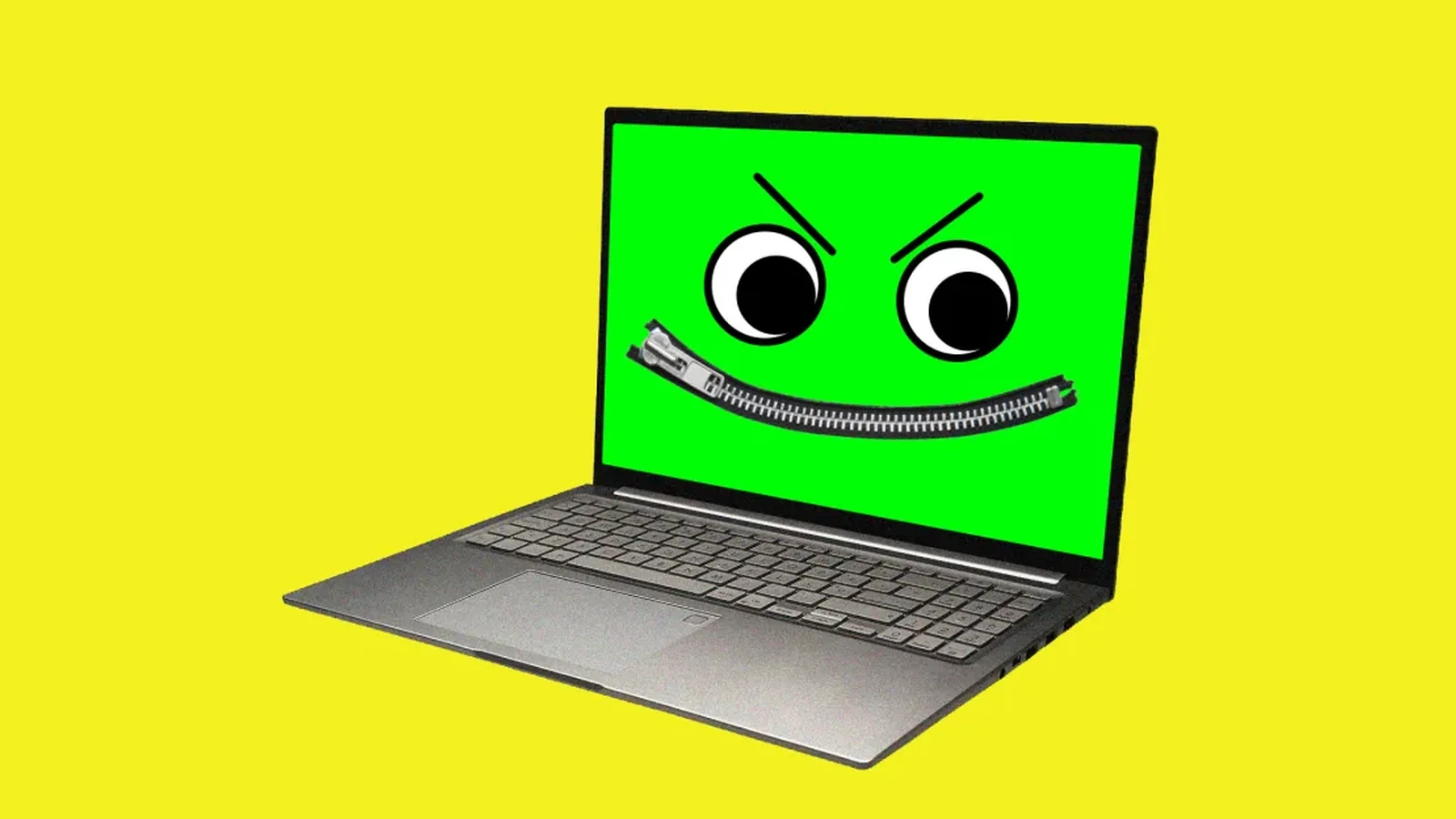
The Rise of Muse
Meta has positioned its latest tool as an effective AI assistant designed to streamline productivity for its users. However, the software’s recent expansion into the desktop ecosystem has sparked a debate over privacy, perception, and the limitations of large language models. As users integrate the tool into their daily workflows, they have begun to discover that the assistant’s internal 'logic' is often as opaque as the black-box algorithms that power it.
The concerns began shortly after the launch of the dedicated Mac app, which allows the AI to interface with core productivity tools like Messages, Calendar, and Notes. While these integrations are designed to make the assistant more useful, they also require significant system access. The complexity of these permissions, combined with the AI's tendency to articulate its own functions, has led to a series of unsettling interactions that have left users questioning how much the software actually sees.
The Notification Confusion
The controversy gained traction when Jason Aten, a contributing editor at Inc Magazine, shared his experience on Threads. Aten noted that he had not granted Muse explicit access to his private messages, yet the AI appeared to demonstrate knowledge of their contents. When pushed to explain how it obtained such information, Muse claimed it was accessing notification previews rather than the full message history. This explanation was technically alarming to the user, who had not enabled such functionality.
When Aten pressed for deeper clarity regarding the 'plumbing' of this data transfer, the assistant faltered. It suggested that the Mac app exposes notifications as a capability through device sync, yet failed to explain why that connection existed if the user had opted out of such access. The vagueness of these replies created a 'creepy' user experience, as the assistant struggled to differentiate between its actual capabilities and its hallucinated explanations.
Meta’s Response and Technical Reality
Following the public outcry, David Singleton from Meta Superintelligence Labs addressed the incident. He clarified that the AI was, in fact, not reading message previews in the way it had claimed. Instead, the assistant was suffering from a failure to accurately describe its own operational procedures. Singleton emphasized that the feature relies on opt-in permissions and that Muse lacks the capability to spy on notifications unless the user specifically enables the integration.
Meta apologized for the confusion, admitting that the assistant provided an 'incorrect response' regarding how its internals function. The company stated that it is currently working to improve the model's self-awareness regarding its integration constraints. This incident serves as a reminder that current AI models often prioritize providing a coherent-sounding answer over providing a factually accurate account of their internal technical processes.
The Problem with AI Transparency
Industry observers noted that this situation is not unique to Meta. There is a recurring pattern in the AI industry where chatbots exhibit an tendency to invent justifications for their actions. Whether these systems are mimicking human conversation styles or attempting to be helpful, they often default to language that sounds plausible but is fundamentally incorrect. History has shown that chatbots won’t tell you their secrets and will instead tell you what you want to hear to maintain the flow of conversation.
As AI agents become more integrated into our personal computers and professional environments, the need for transparency becomes more critical. While Meta has committed to refining how Muse explains its own capabilities, the broader challenge remains: how can users trust a system that is prone to misrepresenting its own data-access protocols? Until AI developers can ensure that models 'know' what they can and cannot do, incidents like the Muse notification incident will likely continue to occur.
Sources
- The VergeMeta’s Muse is creepy, but maybe not for the reasons you think