HTC Launches Vive Eagle Glasses to Rival Meta
HTC enters the wearable market with a privacy-focused alternative to popular camera-equipped frames.
 Radwan AbdulhadiEditor and technology writer
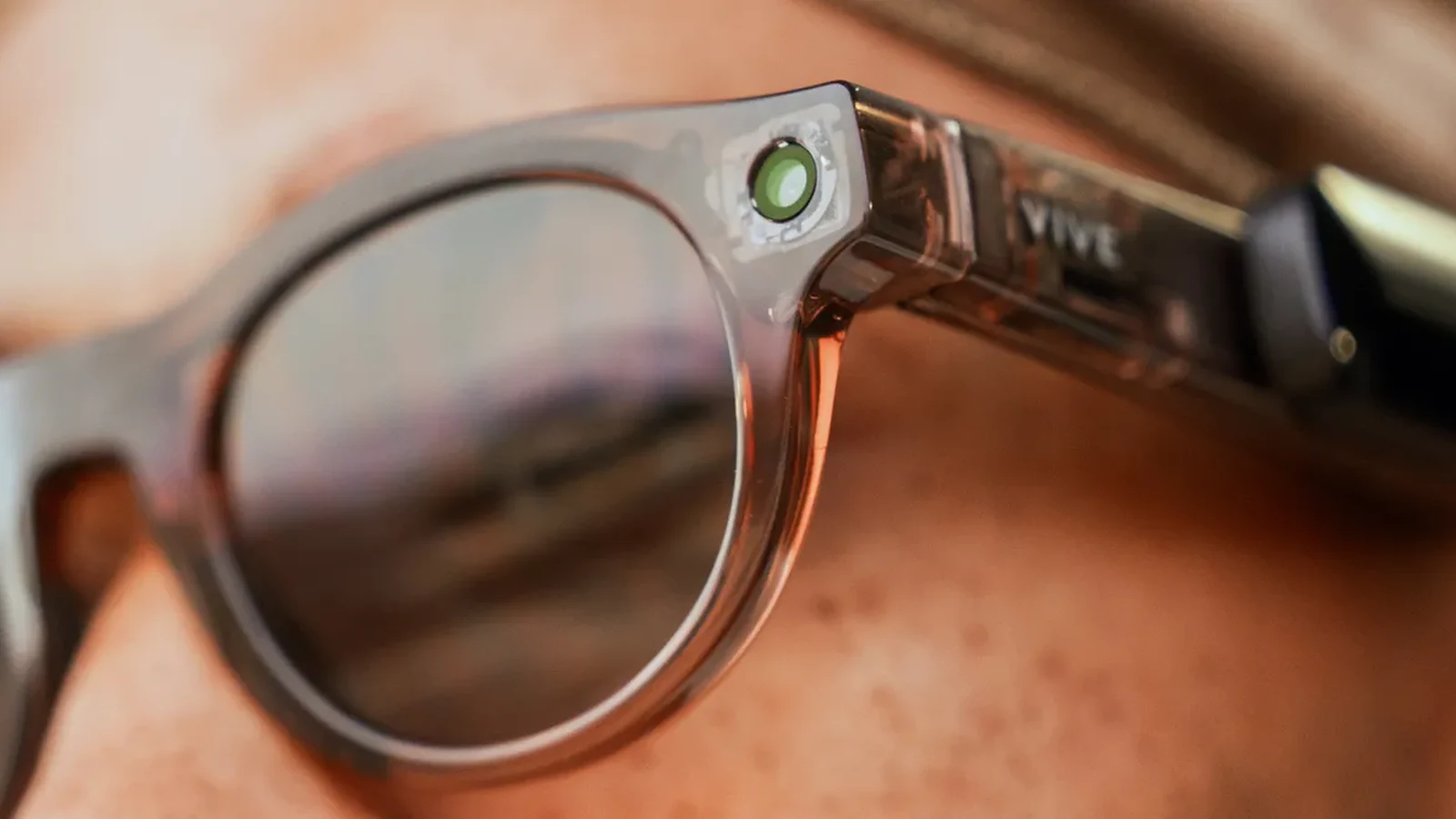
HTC Enters the Smart Glasses Market
The competitive landscape for smart glasses has long been dominated by Meta, but technology firm HTC is making a direct push into the category. Known for its historical virtual reality headsets and a failed smartphone business, HTC has introduced a hardware option aimed at offering a distinct approach to the wearable device sector.
In September, HTC brought its $499 Vive Eagle smart glasses to the United States market. These smart glasses provide standard functionalities expected in current wearables, including integrated cameras for capturing photos and videos, frame-embedded speakers for music playback and calls, and an embedded artificial intelligence agent capable of answering questions or analyzing items.
Privacy Focus and Hardware Design
As camera-equipped smart glasses face heightened scrutiny regarding surveillance and data handling, HTC is positioning its hardware to address these concerns directly. Industry discussions often highlight consumer worries about facial recognition features and general privacy invasions associated with competing devices.
Dan McDowell, HTC Vive’s head of enterprise sales, notes that the design philosophy prioritizes protection for both consumers and people in their vicinity. The Vive Eagle is built to operate independently of a social media platform, setting it apart from alternative offerings in the smart glasses market.
Performance and Power Specifications
The Vive Eagle provides approximately 4.5 hours of continuous battery life during music playback, and can last up to 36 hours while on standby. Additionally, HTC offers a companion clip-on battery accessory called Power Boost for $49, which attaches directly to the glasses frame.
The frames are available in two distinct styles, featuring either square Wayfarer-esque lenses or a more rounded frame design. Alongside standard physical attributes, the device supports audio transcription, voice note recording, and standard media playback.
AI Integration and Data Security
The built-in assistant, designated as Vive AI, integrates with OpenAI’s ChatGPT or Google’s Gemini. The system functions without requiring a user login, keeping individuals de-identified and preventing the underlying services from retaining personal information by default.
The glasses ship with Vive’s AI Plus service free for the initial two years, after which a monthly subscription fee of $2.50 applies. McDowell emphasizes that because HTC operates outside of the social media sector, the company does not utilize information from the glasses to train its own proprietary AI models or third-party models.
Physical Safeguards and Controls
To address surveillance concerns, the Vive Eagle incorporates physical and software safeguards. A bright indicator light is positioned next to the cameras; blocking the light stops recording functionality entirely. Furthermore, verbal commands from nearby individuals instructing the device to stop recording will halt the capture process.
Captured video footage is encrypted and stored locally on the device rather than being transmitted automatically to a cloud server or phone. Transferring photos or videos requires a manual import process through the companion application.
Sources
- WIREDHTC Made Smart Glasses That Are Way More Private
Continue chronologically


Related entity coverage
Related stories
Google and Meta Challenge OpenAI and Anthropic in AI Race
Google and Meta have unveiled powerful new frontier models, challenging Anthropic and OpenAI and completely reshaping the competitive AI landscape.
Testing Major AI Agents: Performance, Pricing, and Features
An evaluation of major personal AI agents highlights their capabilities, varying monthly prices, and performance across daily tasks.

Websites Move to Block Autonomous AI Agents
Major websites, airlines, and financial institutions are blocking AI agents from OpenAI, Meta, and Google, undermining their utility.

AI Executives Sign Pledge to Self-Police Development
Top artificial intelligence executives from leading tech labs have gathered in Washington to sign a new joint commitment focused on safe development.