Jensen Huang Unveils Plug-In Data Centers for Europe at GTC
At Nvidia’s global conference in Berlin, CEO Jensen Huang unveiled a modular plug-in data center and advanced robotics initiatives designed to address Europe's AI infrastructure challenges.
 Radwan AbdulhadiEditor and technology writer
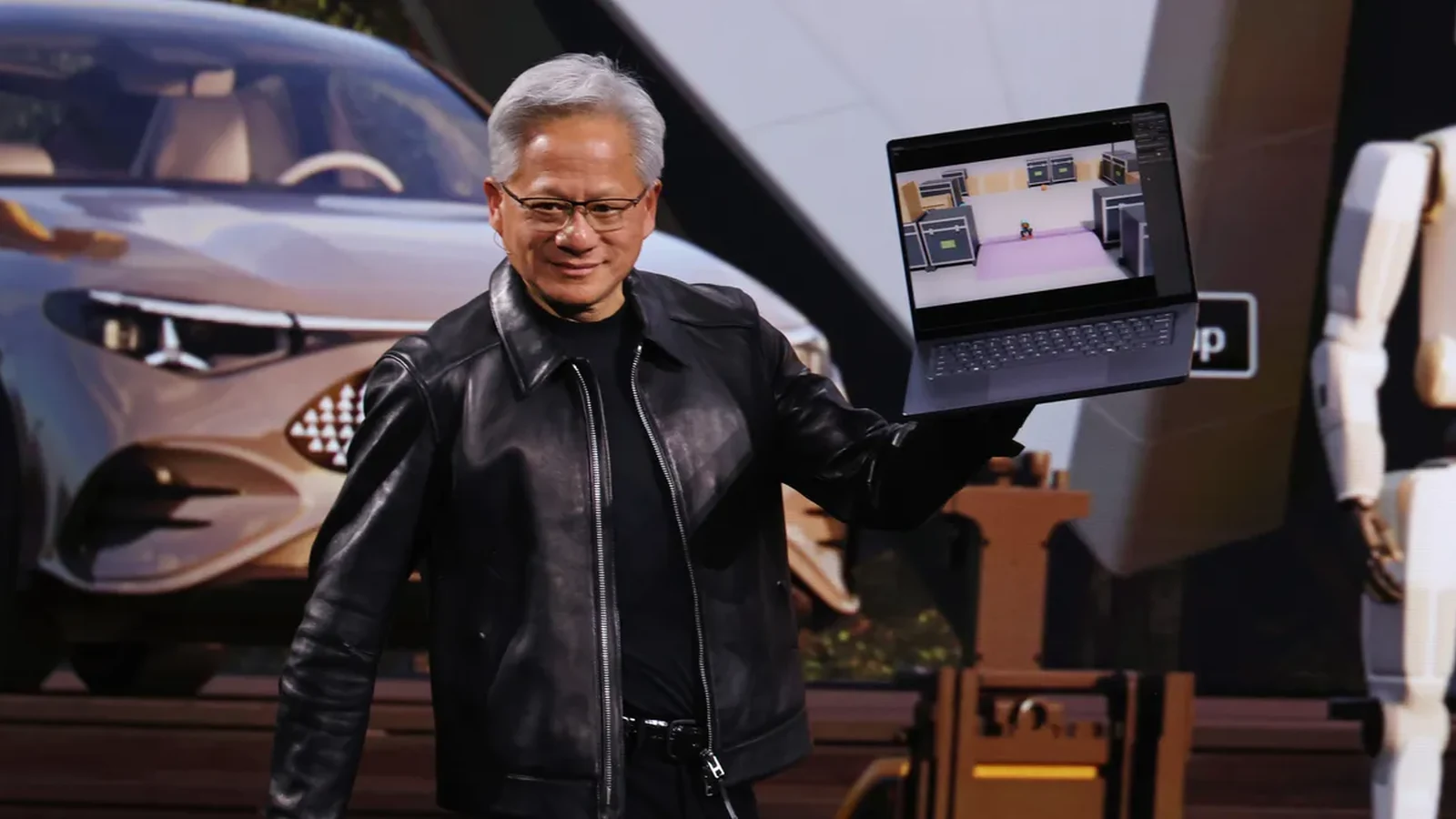
Unveiling the DSX Pod in Berlin
At Nvidia’s global conference in Berlin, CEO Jensen Huang outlined a vision for Europe's technological future centered around modular infrastructure, AI agents, and physical systems. Addressing a crowd of 4,000 attendees at the Tempodrom, Huang emphasized that European nations should focus on producing artificial intelligence rather than merely consuming it. A central component of this strategy is a new plug-in data center solution designed to bypass traditional construction bottlenecks.
The marquee hardware announcement of the event was the DSX Pod, described as a modular "AI factory." Delivered as a pre-assembled unit inside a large metal container packed with Vera Rubin compute racks, the plug-and-play system can be brought online in just 14 days. According to Huang, this rapid deployment addresses the notoriously slow pace of regional infrastructure projects and reduces the duration that valuable compute sits idle during traditional construction cycles.
Protests and Hardware Strategy
The event's proceedings were briefly interrupted when two Greenpeace protesters stood up to display a banner reading "Clean up your dirty business." Security personnel escorted the individuals out of the venue while Huang instructed the team to handle the situation calmly. Despite the interruption, the 90-minute keynote continued with a wide-ranging presentation positioning Nvidia as a foundational provider across multiple global industries.
The hardware showcase also highlighted developments from recent corporate transactions, including small Microduck robots developed by Hugging Face that briefly appeared on stage to assist with the presentation. Moving away from the inference-heavy focus of the previous GTC in San Jose, the Berlin conference concentrated heavily on power constraints, agent capabilities, and physical AI systems.
Humanoid Robotics and Automotive Partnerships
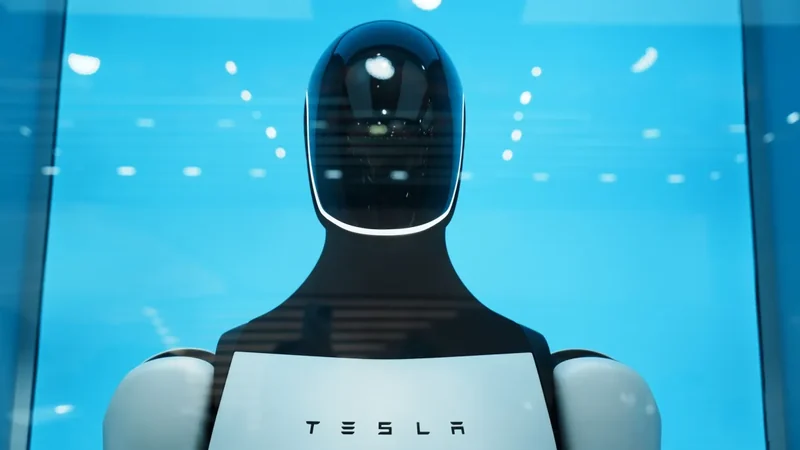
Looking toward physical AI, Huang identified humanoid systems as a major upcoming industry. He noted that Europe is exceptionally well-positioned to lead this sector due to its strong manufacturing heritage. Beyond standalone robots, physical AI applications are expanding into telecom infrastructure, with operators adding Nvidia GPUs directly to cell towers. Furthermore, the company announced strategic collaborations with European automotive heavyweights Volkswagen and Mercedes-Benz regarding autonomous vehicles.
To streamline development in the physical AI space, Nvidia revealed a full-stack platform aimed at standardizing configuration protocols. Additionally, the company plans to launch a preconfigured reference robot named Agile One during the first quarter of next year, giving developers a standardized foundation to begin building advanced robotic applications.
AI Models and Computing Demand
Addressing the software landscape, Huang predicted that commercial organizations will increasingly rely on a hybrid approach utilizing both closed models and customizable open-source models. He showcased Nvidia's proprietary open-source models, arguing that they achieve frontier performance levels once tailored with an enterprise's internal data. Autonomous agents were also highlighted as a primary driver of future computing demand, with reasoning, tool utilization, and iterative task execution expected to continuously push token consumption and GPU requirements higher.
Sources
- WIREDJensen Huang’s Vision for Europe Runs on Plug-In Data Centers
Continue chronologically

Related entity coverage
Related stories
Why OpenAI Skipped Nvidia’s Open Agent Safety Platform
Explore why OpenAI is privately working with Nvidia on agent security while remaining absent from Nvidia's new industry-wide safety consortium.

Nvidia CEO Jensen Huang Targeted in Spy Plot, Report Says
A Singapore AI executive tied to Jensen Huang is accused of feeding Beijing intelligence, raising concerns about U.S. tech leaders being targeted.
U.S. Investigated Chinese Spy Plot Aimed at Nvidia CEO
U.S. intelligence agencies investigated a top executive at a Singapore cloud firm over a potential Chinese spy plot targeting Nvidia CEO Jensen Huang.
Trump Ignored Intel on China Spy Near Nvidia CEO
A new report reveals former intelligence on a Chinese spy linked to Nvidia CEO Jensen Huang was ignored by Donald Trump to protect stock.