mRNA Melanoma Vaccine Cuts Recurrence Risk by Over 40 Percent
Results from a major Phase 3 clinical trial show that a bespoke mRNA vaccine combined with immunotherapy can substantially lower the risk of melanoma recurrence.
 Radwan AbdulhadiEditor and technology writer
Phase 3 Clinical Trial Results
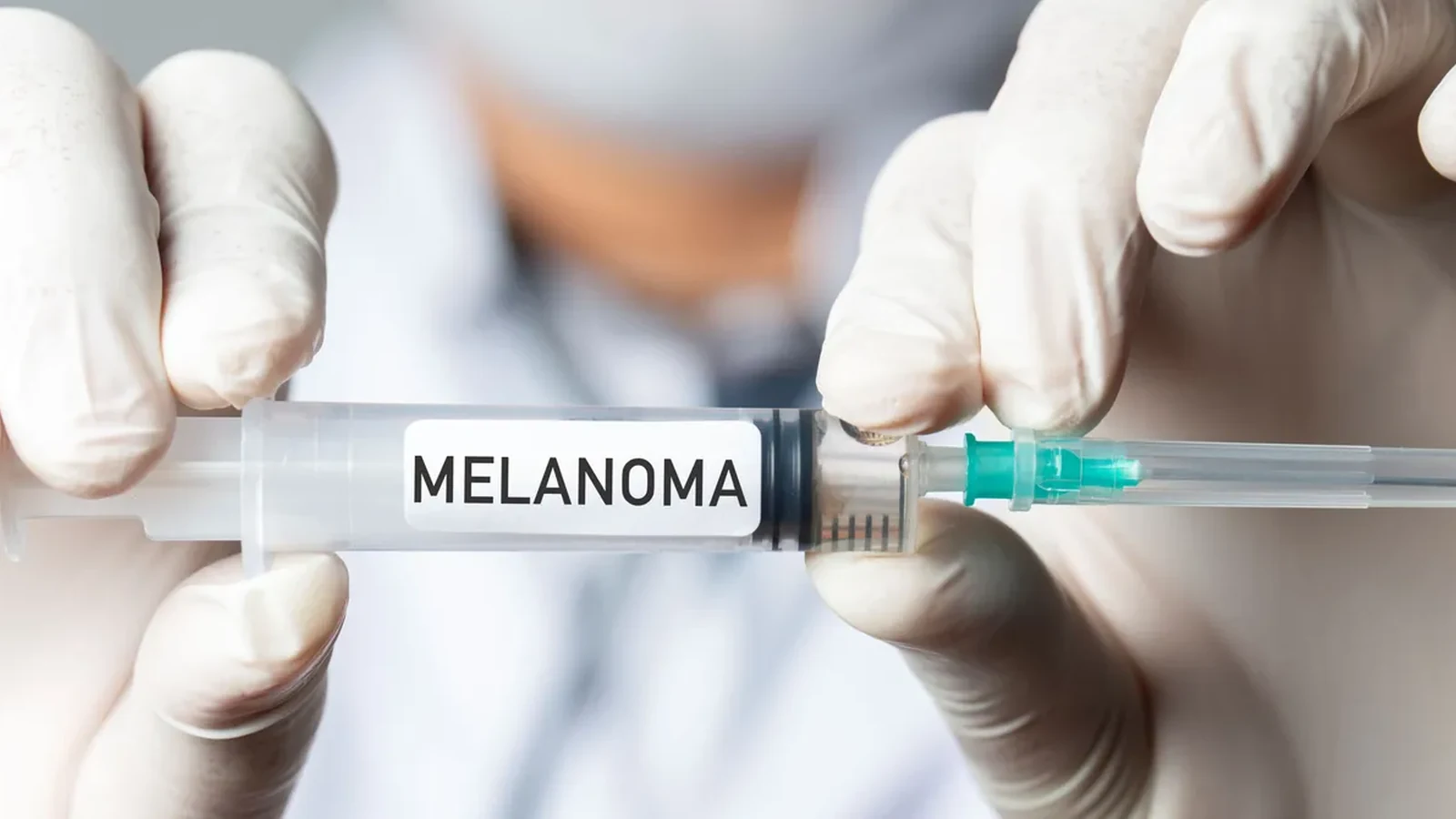
An experimental treatment has offered new hope for individuals dealing with melanoma, recognized as one of the most aggressive forms of skin cancer. Pharmaceutical companies Merck and Moderna released the findings from a Phase 3 clinical trial evaluating an individualized mRNA-based vaccine. When administered alongside conventional immunotherapy, the experimental therapy reduced the risk of disease recurrence or death by 42 percent compared to utilizing immunotherapy alone.
Georgina Long, medical director of the Australian Melanoma Institute and the study’s principal investigator, described the findings in a statement as transformative. She noted that the results hold the potential to make a foundational shift in treating patients with earlier-stage melanoma.
Trial Design and Patient Outcomes
Known as INTerpath-001, the clinical trial involved 1,137 participants diagnosed with high-risk melanoma who had previously undergone surgery to completely remove their tumors. Patients were split into two groups. The first group received only Pembrolizumab, a medication designed to assist the immune system in detecting and destroying cancer cells. The second group received Pembrolizumab combined with the mRNA vaccine, known as Intismeran Autogene.
Following an average monitoring period of 24.6 months, researchers concluded that incorporating the mRNA vaccine into the treatment regimen lowered the risk of cancer recurrence or death significantly. Furthermore, the combination therapy reduced the risk of the disease spreading to other parts of the body by 38 percent. By the conclusion of the follow-up window, 82.2 percent of patients receiving the dual treatment remained free of recurrence, contrasted with 70 percent of participants treated with Pembrolizumab alone.
Personalized Medicine and Molecular Characteristics
The vaccine is designed around the principles of personalized medicine, leveraging tumor samples taken directly from individual patients. Scientists identified specific mutations unique to each tumor, generating distinct proteins that help train the immune system to recognize and attack malignant cells. Researchers selected up to three molecular signatures per patient.
Eva Muñoz Couselo, who leads a melanoma research group at the Vall d’Hebron Institute of Oncology in Barcelona and did not participate in the study, noted that the Phase III trial marks the first time an individualized therapeutic vaccine designed from a patient's molecular characteristics has significantly improved conventional immunotherapy outcomes.
Safety Profile and Future Implications
During the clinical trial, some participants reported mild side effects including fatigue, fever, and discomfort at the injection site. These reactions mirrored those observed during earlier trial phases, indicating a consistent safety profile when combining the vaccine with Pembrolizumab. Stéphane Bancel, CEO of Moderna, emphasized that the findings reinforce the company's belief that mRNA technology can fundamentally change how cancer is treated.
Study organizers stressed that the vaccine is not meant to prevent melanoma from developing initially, but rather to lower recurrence rates and mortality after prior interventions. The therapy remains under investigation as researchers seek regulatory validation from health authorities. While melanoma claims over 50,000 lives globally every year, researchers theorize that similar bespoke mRNA vaccines could eventually be developed for other types of tumors.
Logistical Challenges Ahead
Despite the enthusiasm surrounding the trial data, independent experts caution that a universal cure is not yet guaranteed. Marisol Soengas, a leading melanoma researcher at Spain’s National Cancer Research Center, pointed out that the primary hurdle moving forward involves scaling the personalization process for large patient populations while maintaining affordable costs for healthcare systems. Because the treatment is custom-built for each individual, the manufacturing process remains logistically complex.
Sources
- WIREDNew mRNA Vaccine Reduces Risk of Melanoma Recurrence by Over 40 Percent
Continue chronologically

Related stories
OpenAI Acquires Orchestra Bio to Expand Life Sciences AI
OpenAI has acquired Orchestra Bio to bolster its biotech business, integrating its team and technology into the Rosalind life sciences initiative.

Govee Christmas Lights 2 Get 25 Percent Discount
Save $25 on Govee Christmas Lights 2 smart string lights with a new deal. Discover features, weather resistance, and app controls.

Newegg Cuts $260 Off All-AMD 4K Gaming PC Rig
Newegg slashes $260 off a powerful all-AMD pre-built gaming PC featuring the Ryzen 7 9800X3D and Radeon RX 9070 XT graphics card.

Cloudflare cuts hardware pressure as data volumes grow
Cloudflare says schema changes, compression and pipeline redesigns have reduced hardware pressure as its data delivery reaches two billion events per second.