
Why You Should Add a Streaming Device to Your Smart TV
Many consumers operate under the assumption that a smart TV renders additional hardware obsolete. However, integrating a dedicated streaming device often provides a superior user experience.
 Radwan AbdulhadiEditor and technology writer
Bridging the Performance Gap
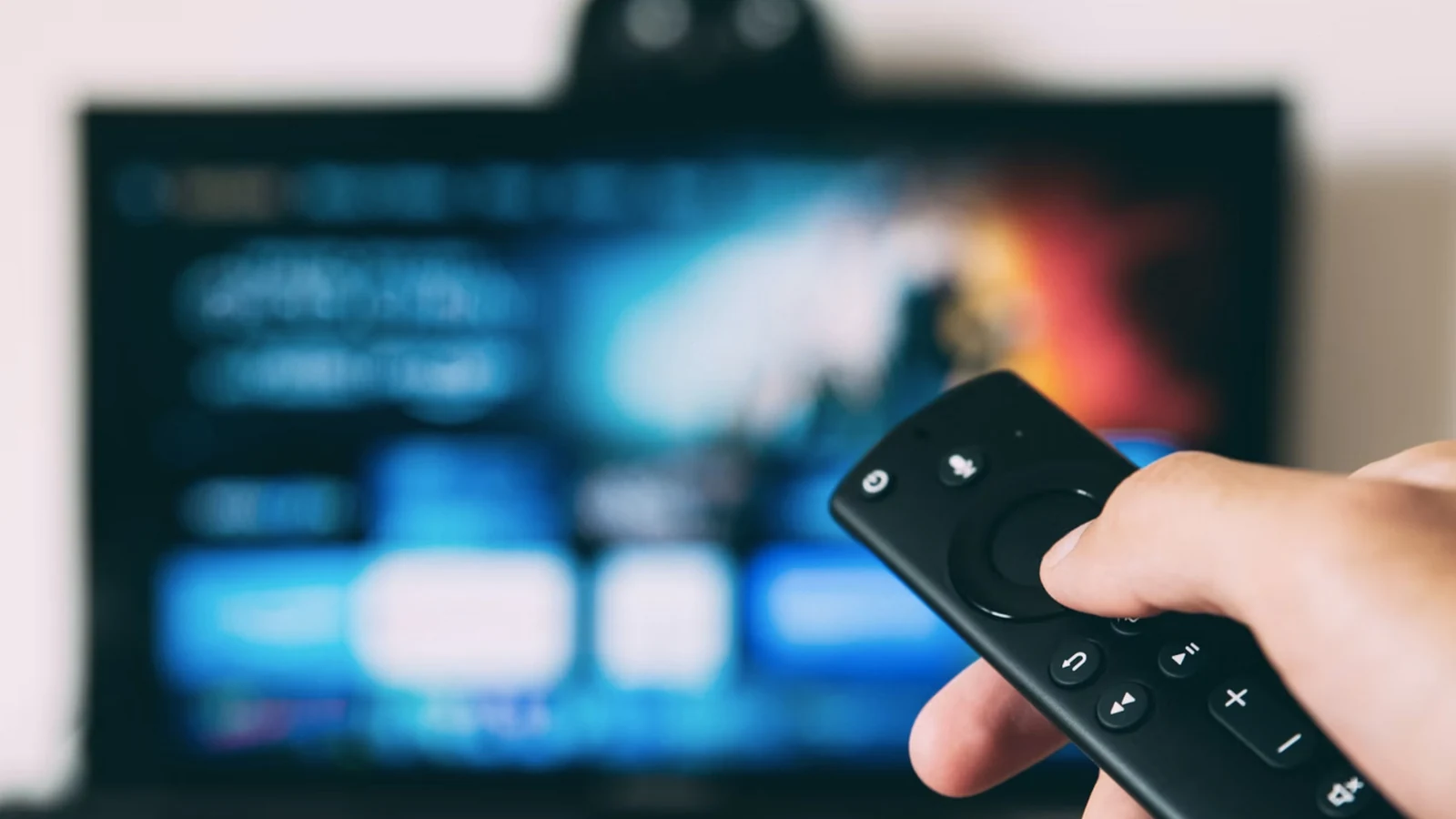
Smart TVs and standalone platforms like Roku, Fire TV, or Chromecast share the same fundamental purpose: providing access to content from services such as Netflix, Disney+, and Hulu. Despite this overlap, there are compelling reasons to pair a television with an external streaming device. Because companies license their software to a wide variety of manufacturers, there is often a significant disparity in how well a smart TV performs. High-performance streaming is frequently hampered by the internal processors or the specific version of software pre-installed on the set.
When a television feels sluggish or unresponsive, a dedicated streaming device can offer a much-needed upgrade. Newer models are designed with efficiency in mind, and purchasing an external box is significantly more affordable than replacing an entire television. By offloading the processing requirements to a device focused exclusively on media playback, users can enjoy a more reliable, fluid interface that is less prone to crashing than the native smart TV software.
Mitigating Software Obsolescence
A common point of frustration for TV owners is the eventual cessation of software support. While manufacturers provide updates for several years, there is a point where that support begins to dry up, which often leads to an operating system that becomes slow and unreliable. Rather than investing in a new television when the built-in interface begins to lag, users can opt for a standalone device to breathe new life into their display.
Ad Integration and Interface Customization
Advertising has become an unavoidable reality for most smart TV owners. Brands such as Samsung, TCL, Amazon, and Roku have integrated marketing content directly into their television operating systems for years, sometimes even on high-end models. While many external streaming boxes also feature advertisements, there are still options available for those seeking a cleaner experience.
Certain devices, such as the Apple TV, do not include integrated marketing spaces within their user interface. Similarly, DIY solutions like a Raspberry Pi allow users to bypass mainstream operating systems entirely. By choosing the right hardware, consumers can often exert more control over their viewing environment than they could with a native smart TV setup.
Unique Features and Flexibility
Beyond basic playback, standalone devices often bring specialized utility to a home theater. Many units allow users to play their own content through integrated storage or by connecting a standalone hard drive, which is a major advantage for those managing a Plex media server. Other devices prioritize gaming or offer clever features like buttons that help locate a missing remote control.
Portability is another major advantage of the streaming ecosystem. Because these dongles and boxes are lightweight and compact, they are easy to pack for vacations. Plugging a portable streaming device into a hotel television can provide instant access to personal profiles and saved preferences, ensuring a consistent viewing experience while traveling.
Sources
- EngadgetWhy buy a streaming device when you have a smart TV?