
Apple Uses Firmware Lock to Bypass Battery Shipping Limits
Apple has introduced a clever software-based workaround to ensure the iPhone 18 Pro Max complies with global transport safety standards without sacrificing internal battery capacity.
 Radwan AbdulhadiEditor and technology writer
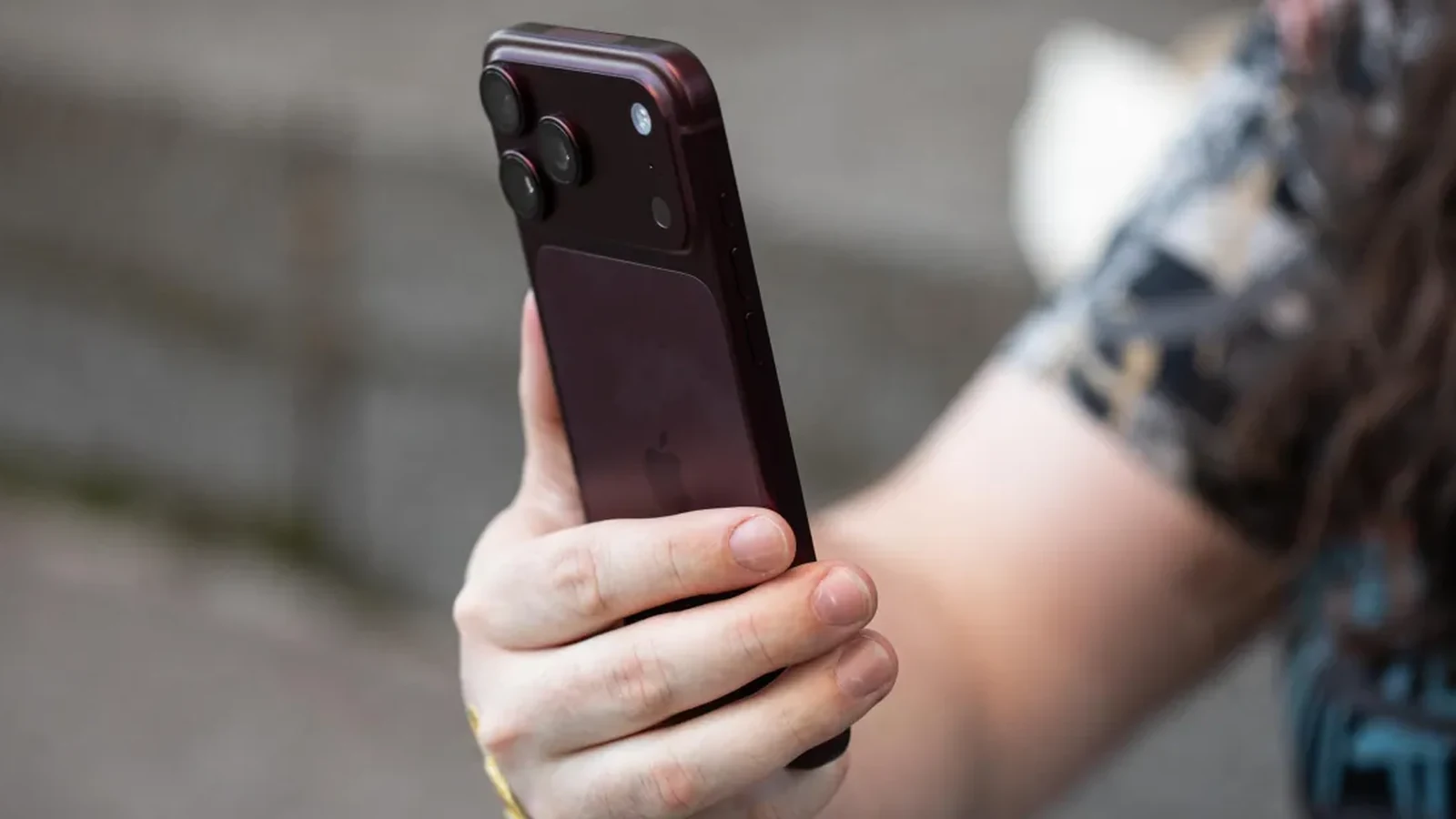
Navigating International Regulations
Apple has implemented an innovative strategy to manage the logistics of its latest flagship device, the [iPhone 18 Pro Max](https://www.theverge.com/tech/995945/iphone-18-pro-max-review-camera-aperture). As manufacturers strive for [longer battery life](https://www.theverge.com/the-stepback-newsletter/776517/silicon-carbon-batteries-phones), they often run into strict [international shipping regulations](https://www.iata.org/en/programs/cargo/dangerous-goods/lithium-batteries/) that cap single-cell battery capacity at 20Wh for air transport safety.
The Mechanics of the Firmware Lock
According to [Apple’s support page](https://support.apple.com/en-us/127848), the company has integrated a dedicated battery-firmware solution that restricts the device's capacity during the initial shipping phase. This software gate remains active until the moment the end user boots the device for the first time. Upon activation, the firmware lock is removed, allowing the device to utilize its full rated capacity, which reaches approximately 21.75Wh for US eSIM-only models and 21.06Wh for European versions equipped with a physical SIM slot.
Managing Future Transport and Repairs
While the automatic unlock occurs upon initial setup, Apple has anticipated the need for future transit, such as when a user sends their device out for professional repairs or resale. To accommodate this, the company introduced the 'Prepare to Ship' feature. Accessible within the General settings under the 'Transfer or Reset iPhone' menu, this feature allows users to manually re-apply the charging limitation. When enabled, the software caps the charging capacity to 80 percent for a duration of 14 days.
Apple notes that the hardware may need to discharge during this process to ensure the battery reaches the compliant state. Users are advised that the device might feel warmer than usual while this internal adjustment takes place. For those who change their plans or simply wish to revert the change, the 'Prepare to Ship' setting can be disabled at any point through the same menu interface.
Industry Implications
The software-based approach outlined in [The Verge](https://www.theverge.com/tech/998144/apple-iphone-18-pro-max-battery-firmware-limit) report highlights a growing divergence in how hardware makers handle power constraints. Traditionally, Android manufacturers have opted for dual-cell battery designs to bypass the same 20Wh regulatory thresholds. While these physical workarounds are effective, they are frequently cited as being less space-efficient and more expensive to implement. By utilizing a firmware-based workaround, Apple may be setting a new standard that other smartphone manufacturers could look to adopt if the practice proves successful and scalable.
Sources
- The VergeApple’s clever software solution lets iPhone batteries skirt shipping limits