YouTube Music Introduces AI Labels for Streaming Content
YouTube Music is rolling out a new labeling system on player pages to identify tracks created or altered with generative artificial intelligence. The move comes as streaming platforms grapple with a massive surge of AI-generated music.
 Radwan AbdulhadiEditor and technology writer
YouTube Music Rolls Out AI Labels
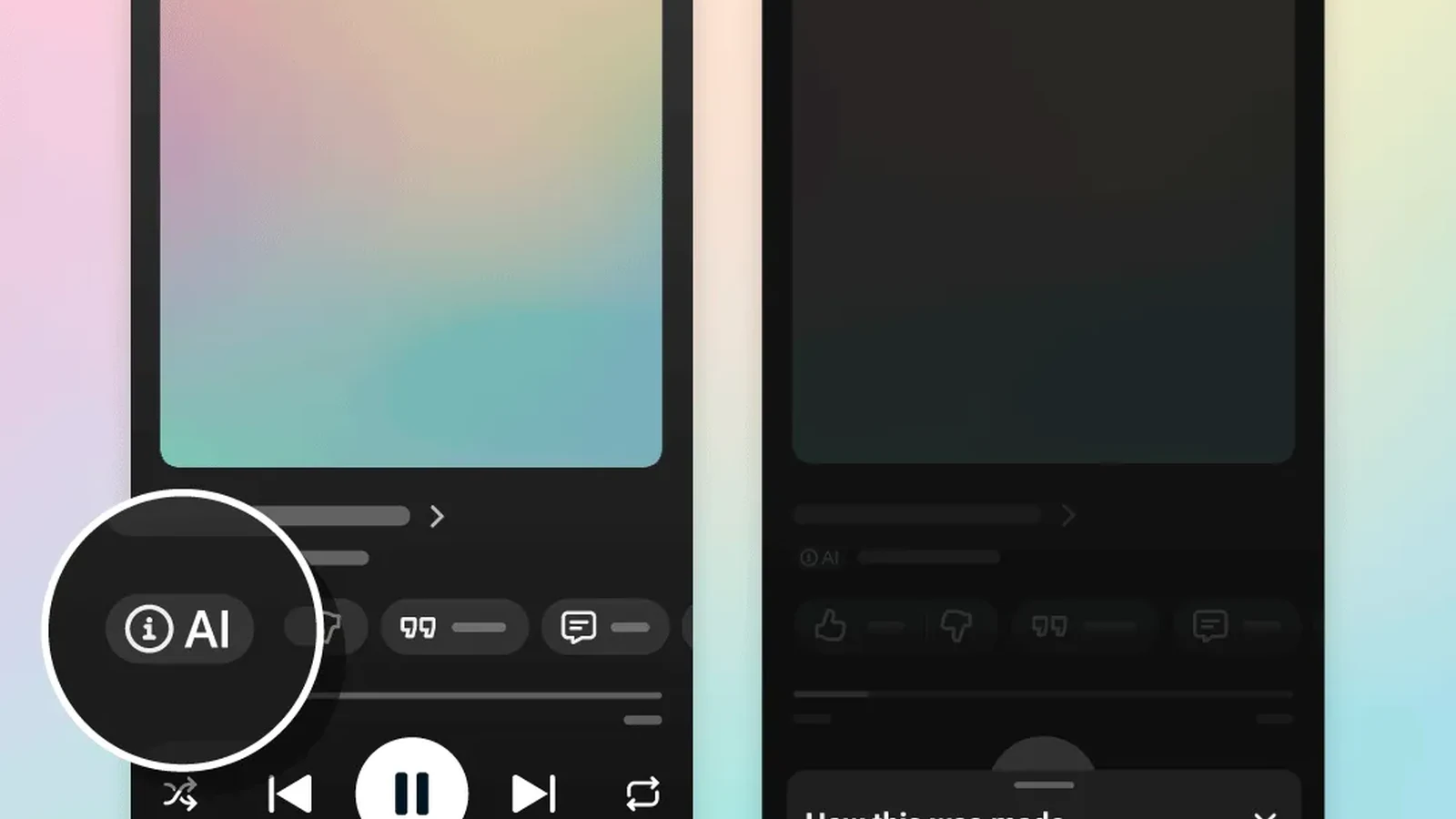
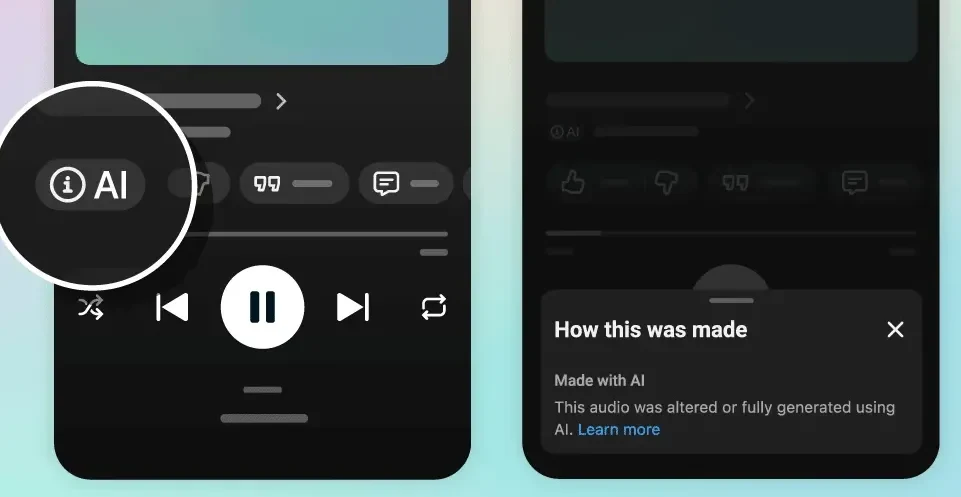
YouTube Music announced the rollout of a new labeling system aimed at improving transparency around songs created with the help of generative AI. Listeners can now easily identify tracks created using artificial intelligence, including those involving composition and vocals. The new label appears directly on the player page, and clicking on it provides additional information about the specific role of AI in the track’s creation. As detailed in an official post by the company, YouTube announced the feature to clarify music production practices for its audience.
According to the company, these transparency labels will also extend to the main YouTube app, ensuring that users watching music videos or related content across the broader ecosystem will encounter the same informational tags. YouTube stated that it collaborated with various music partners and deployed its own detection tools to identify AI-generated music. Partners using YouTube can declare their work’s use of generative AI through one of three designations detailed on a help page.
Understanding the AI Designations
The platform has established distinct categories for partner uploads to ensure accurate disclosures. "Fully Gen AI" applies to tracks that are entirely generated by artificial intelligence. Meanwhile, "Partly Gen AI" refers to works where artists may have incorporated AI-generated components but added their own live elements. Tracks edited using pitch-correction tools such as Auto-Tune fall under the "No Gen AI" category, maintaining a clear distinction between standard digital audio engineering and pure generative creation.
When users listen to a track on YouTube Music where AI played a significant role, they will see a label directly on the player page. Tapping the label opens a simple menu sharing more information. YouTube notes that if there is no voluntary disclosure by an uploader, it may use other detection signals to evaluate whether a song is AI-generated, applying labeling principles similar to those used for video content across the platform.
Broader Streaming Industry Reactions
The introduction of YouTube's labeling system comes as AI-generated music rapidly expands across digital streaming services, prompting various platforms to adopt unique approaches. For instance, Apple Music has plans to introduce transparency tags later this year to identify AI-made tracks. Spotify has also rolled out voluntary AI labels alongside tools designed to combat audio spam and manage automated content.
Other services have taken much stricter enforcement stances against the influx of automated audio. In July, music streamer Deezer reported receiving nearly 90,000 fully AI-generated tracks daily. Deezer responds by labeling detected AI music, excluding it from algorithmic recommendations and editorial playlists, and withholding royalties from fraudulent streams. The company has also moved to let users filter out AI-generated music entirely.
Monetization and Disclosure Strategy
Similarly, TIDAL has implemented measures to crack down on synthetic audio by labeling recordings it identifies as entirely AI-generated, allowing listeners to disable them, and cutting off royalty attribution for those specific tracks. These strict measures contrast with platforms that choose to focus primarily on user awareness.
By contrast, YouTube is focusing on disclosure rather than blanket restrictions or demonetization. Its new labels are intended to inform listeners about AI's role in music creation, but AI involvement alone does not make a track ineligible for monetization on the platform. Furthermore, YouTube continues to experiment with AI-powered music creation tools, including features like Dream Track, which allows select creators to generate soundtracks featuring AI-generated versions of participating artists' voices.
Sources
- TechCrunchYouTube Music launches new labels as AI-generated music floods streaming platforms
- The VergeYouTube sticks new labels on AI-generated songs
- EngadgetYouTube Music adds new labels for AI-generated content
Continue chronologically
Related entity coverage
Related stories
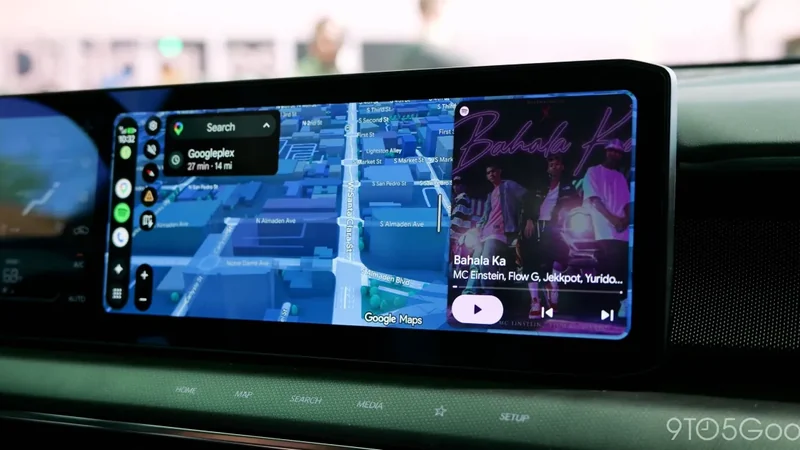
Google Confirms Android Auto Updates and Fixes for Media Apps
Google has recapped several recent Android Auto updates and fixes for media apps, confirming that the divisive squiggly line design is here to stay.
YouTube Tests Hiding the Dislike Button in Submenu
YouTube appears to be testing hiding the video dislike button inside the three-dots overflow menu, following earlier UI changes made to Shorts.

Google Opens Gemini and Search to More Apps With Connected Platform
Google debuts a new developer platform allowing businesses to connect their third-party apps directly to Gemini and Google Search.
YouTube Removes Subscriptions Tab From Bottom Bar on Mobile
YouTube is updating its Android and iOS apps by removing the Subscriptions tab from the bottom navigation bar and introducing custom feeds.