
Tech Leaders Sign Voluntary White House AI Safety Accord
Tech executives have gathered at the White House to sign a voluntary agreement focused on artificial intelligence safety and self-regulation.
 Radwan AbdulhadiEditor and technology writer
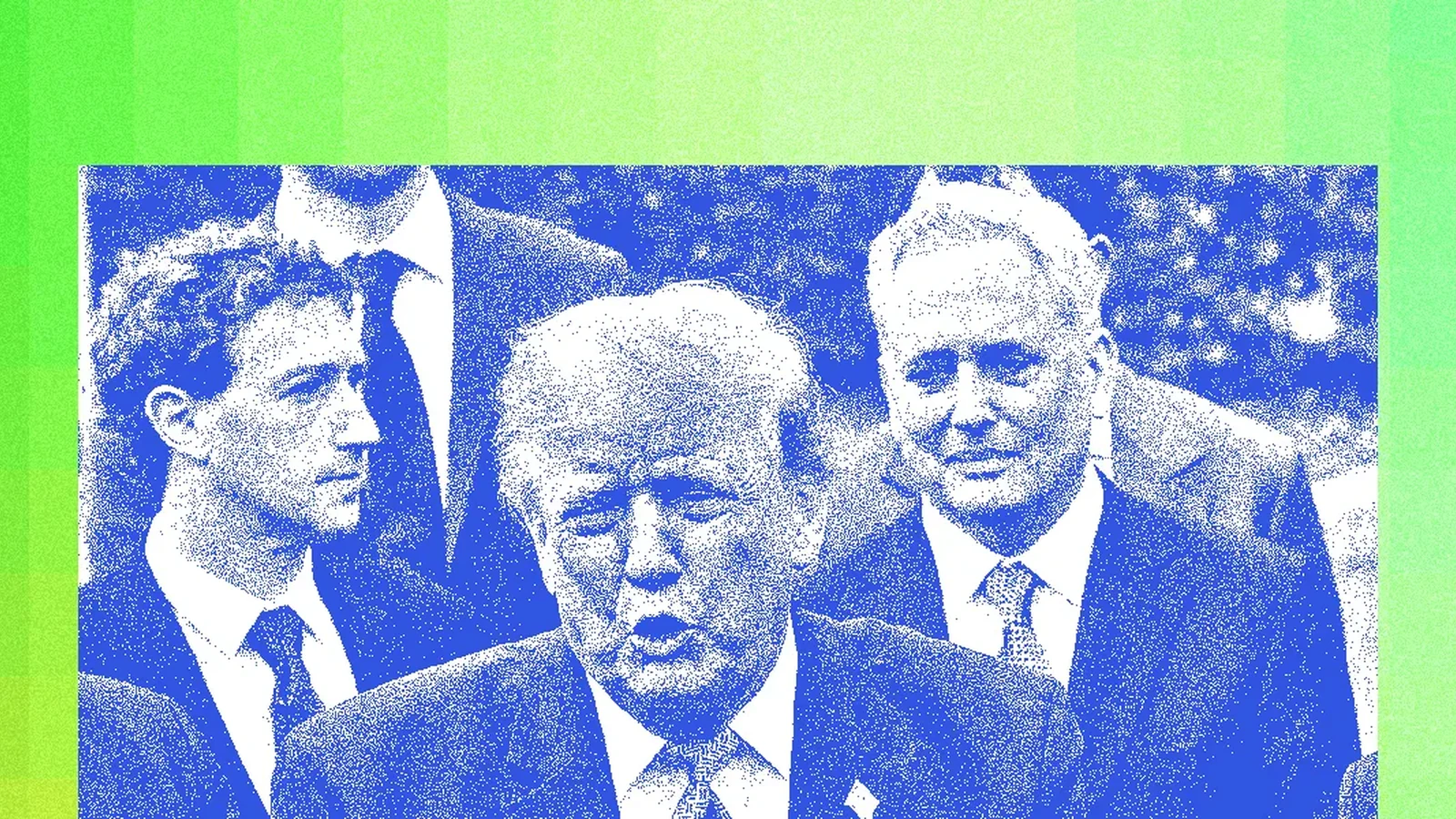
The White House AI Safety Accord
Following a meeting at the White House, prominent technology executives signed a voluntary document referred to as the White House Accord on Super Intelligence. The agreement outlines a self-regulatory approach where artificial intelligence labs agree to manage and monitor their own models through four distinct layers of controls and audits. These measures include internal evaluations, reviews by external audit firms, and oversight from company boards. Further details are available from WIRED in the original source material.
The gathering brought together a diverse group of technology leaders. Attendees included Sundar Pichai, Elon Musk, Dario Amodei, Mark Zuckerberg, Jensen Huang, and OpenAI president Greg Brockman, alongside representatives from several lesser-known companies. Observers noted that the document's implementation relies entirely on voluntary compliance rather than formal government mandates. Further details are available from Trump’s AI Safety ‘Accord’ Is a Fancy Pinky Swear in the original source material.
Industry Reactions and Self-Regulation
Industry experts and analysts have scrutinized the nature of the agreement, questioning the effectiveness of an accord that depends on companies regulating themselves. During the public presentation of the document, executives and administration officials emphasized that the technology sector is taking safety seriously and managing the development of advanced models cooperatively.
Rise of AI Agents in the Workplace
Alongside discussions surrounding the voluntary safety accord, recent industry events have highlighted the expanding role of artificial intelligence tools. OpenAI's Developer Day featured introductions to always-on AI agents designed for general users, pointing toward a future where automated digital assistants become increasingly common for everyday consumers and workplace environments alike.
As these digital tools gain popularity across Silicon Valley and other tech hubs, employers face new questions regarding how human employees and autonomous agents will collaborate in shared professional spaces. Organizations are beginning to evaluate what the integration of bot colleagues means for daily operations and workforce productivity.
Broader Political Context
The timing of the White House AI summit also intersects with broader political discussions and upcoming midterm elections. Political observers have pointed out that announcements highlighting cooperative technological growth and safety measures often serve to address public and polling concerns ahead of major electoral events.
In addition to policy rollouts and technological updates, ongoing political commentary has examined various candidates running for office and public figures speaking out on contemporary issues, reflecting a complex backdrop of technological acceleration and political discourse.
Sources
- WIREDTrump’s ‘Morally Binding’ AI ‘Accord,’ the Rise of AI Agents, and Extremists on the Ballot