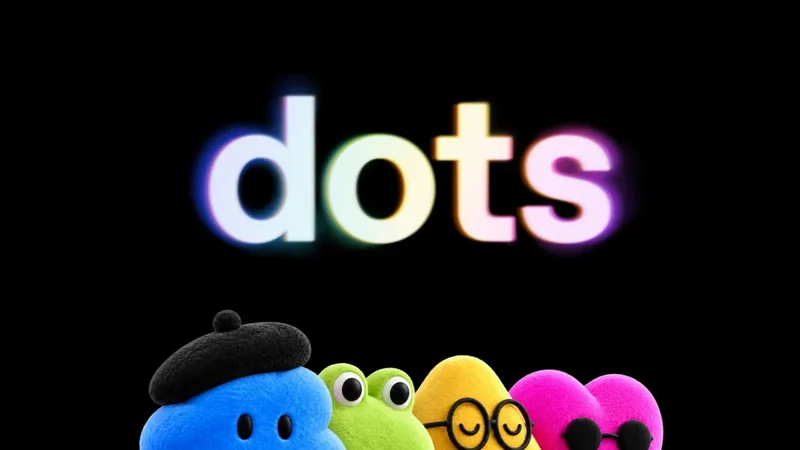
OpenAI Introduces Dots, an Always-On AI Agent Feature
OpenAI's new always-on agent software aims to handle daily online tasks and shopping, though early testing reveals a mix of helpful automation and occasional quirks.
 Radwan AbdulhadiEditor and technology writer

The Evolution of Chatbots Into Active Assistants
Artificial intelligence tools are shifting from traditional conversational chatbots toward active software designed to execute everyday tasks. OpenAI has rolled out a new class of virtual assistants called Dots, which are built to function as always-on helpers capable of controlling browser environments and automating chores like purchasing furniture or managing subscriptions.
These new offerings represent the next step for software platforms that interact with users in a conversational manner. While platforms like ChatGPT traditionally respond primarily when prompted during a direct chat session, these new agents can run in the background, perform recurring operations, and proactively reach out with updates.
Pricing, Availability, and Market Competition
The market for personal digital assistants is becoming increasingly competitive as major technology firms launch distinct consumer offerings. While competing products like Meta’s Muse are provided to users for free, OpenAI has placed its competing product behind a $100-a-month subscription tier, though the company may alter its pricing strategy or drop the paywall for certain features in the future.
These digital assistants are tailored for adult users and utilize friendly, conversational personas to make complex automation feel approachable. However, early adopters experimenting with the technology have noted that the nascent software still exhibits rough edges and occasional operational hiccups during daily use.
Practical Testing and Real-World Performance
When evaluated on practical consumer tasks such as shopping for household items, the assistant demonstrated both useful capabilities and notable limitations. After receiving specific parameters regarding dimensions, budget, and stylistic preferences, the agent successfully compiled detailed product options featuring measurements, prices, return policies, and direct web links.
Despite successfully generating structured product lists and offering to monitor web pages for future price reductions, the assistant occasionally stumbled on technical hurdles. During attempts to review online subscriptions, the tool flagged specific recurring orders but encountered difficulties when trying to bypass online security challenges.
Conversational Quirks and Security Considerations
The voice interaction capabilities of the new agent also led to unexpected conversational moments. During phone testing, misheard mumblings occasionally triggered unintended emotional mirroring from the assistant, prompting clarification from company representatives regarding model specifications and behavioral boundaries designed to prevent undue familiarity.
Additionally, because these always-on agents encourage users to connect external information sources such as email accounts to deliver personalized recommendations, security experts emphasize the importance of carefully evaluating privacy implications before granting deep digital access to automated software.
Sources
- WIREDOpenAI Wants Its New Agent to Run Your Life. Mine Said It Loved Me
Continue chronologically

Related entity coverage
Related stories
OpenAI Introduces Dots and Meta Launches Muse for AI Agents
OpenAI and Meta are competing in the personal AI agent market with new always-on tools like Dots and Muse designed to automate everyday tasks.

OpenAI Introduces Dots Agent Platform for Work and Tasks
OpenAI has announced Dots, a new agent platform designed for workplace and business software use cases that can also assist with personal tasks.

OpenAI Announces Dots Agent at DevDay to Challenge Meta
OpenAI unveils its GPT-6 Astra-powered Dots AI agent at DevDay to compete with Meta's Muse, launching initially as a premium product.
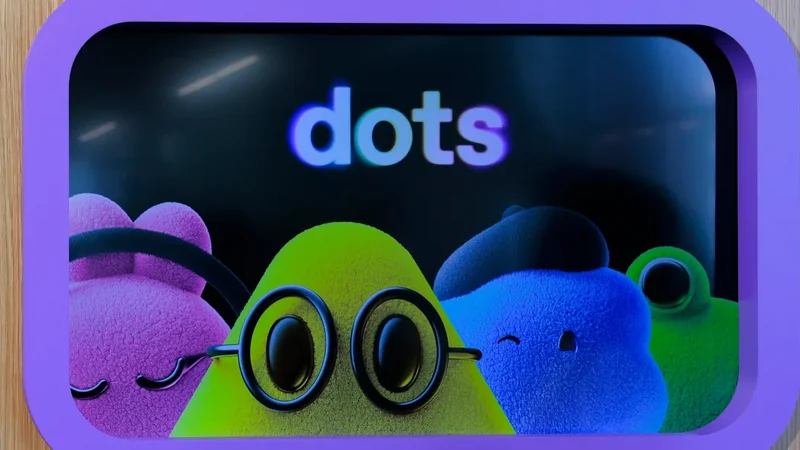
OpenAI Launches Dots, Its New Agentic AI Assistants
OpenAI has announced Dots, a new line of always-on AI assistants powered by the GPT-6 Astra model to compete with Meta's Muse AI.