Nvidia Insists RTX 5090 Flagship GPU Is Not Discontinued Amid Shortages
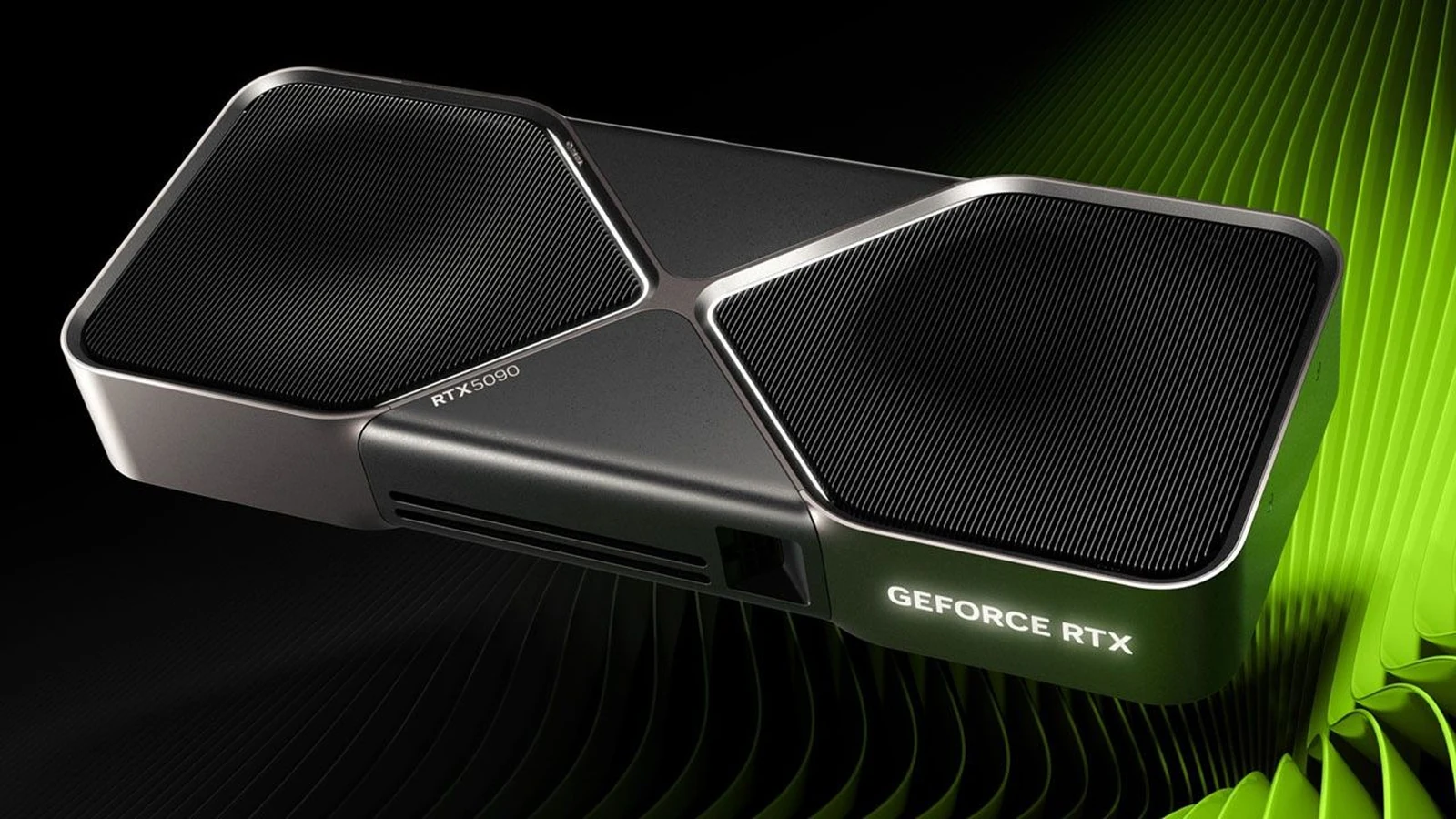
Despite the RTX 5090 vanishing from many major storefronts and fetching exorbitant aftermarket prices, Nvidia maintains that production and shipping for its flagship GPU are continuing.
 Radwan AbdulhadiEditor and technology writer
Nvidia Addresses RTX 5090 Discontinuation Rumors
Gamers hoping for stabilization in the GPU market faced severe disappointment recently when rumors spread that production of the rare and powerful flagship card was being halted. Reports initially suggested that Nvidia was stopping manufacturing of the hardware to reallocate precious silicon capacity toward more profitable AI accelerators and data center products. However, conflicting information has since emerged from company leadership regarding the actual status of the high-end gaming component.
According to statements attributed to Nvidia senior vice president Jeff Fisher during a post-event interview with Taiwanese outlets like 4Gamers, the flagship graphics card has not been discontinued. Fisher emphasized that shipments are ongoing and that the company is actively working to address the challenging supply situation. Previous industry coverage had noted that Nvidia previously put other consumer lineups on hold, fueling widespread industry anxiety about the future availability of top-tier desktop graphics hardware.
Executive Comments and Supply Chain Pressures
During the reported media exchange, Fisher acknowledged that the broader supply chain and manufacturing capacity remain severely constrained. Despite these hurdles, he asserted that Nvidia is putting forth maximum effort to push the product into the hands of consumers. According to translated reports quoting the senior executive, production of the underlying chip variants remains active, and the corporation views the continued delivery of these desktop parts as a vital endeavor.
Furthermore, Fisher reiterated a familiar sentiment expressed by top corporate executives: that the GeForce consumer ecosystem remains foundational to the company's historical growth, and that the modern artificial intelligence market would not exist in its current form without the groundwork laid by PC gaming. Despite these appreciative remarks, gaming-related revenue represents a progressively smaller slice of the company's massive overall financial footprint as data center infrastructure takes absolute priority.
Retail Reality: Empty Shelves and Inflated Prices
Despite official assertions that manufacturing remains active, a cursory browse through major retail storefronts paints a starkly different picture for everyday buyers. At Amazon, independent third-party sellers are listing remaining units for approximately $8,500. Meanwhile, other popular online hardware marketplaces like Newegg feature listings reaching around $7,300, though shipping estimates suggest these supplies originate from overseas sellers, raising potential complications regarding import duties and U.S. tariffs.
More tellingly, traditional retail stock has evaporated almost entirely across multiple major outlets. Best Buy currently shows zero units available for purchase, and the flagship GPU remains completely absent from Nvidia's official direct-to-consumer marketplace as well as hardware chains like Micro Center. Industry analysts suggest that corporate assurances may serve primarily to maintain consumer goodwill and visibility rather than reflect an accessible inventory reality for mainstream enthusiasts.
Broader Industry Trends Affecting Consumer Hardware
Nvidia is not alone in navigating the delicate balance between high-performance consumer silicon and lucrative enterprise AI accelerators. Competitor Intel has similarly insisted that its long-awaited refreshes of consumer desktop graphics products are still moving forward, while AMD has previously voiced intentions to deliver competitive mainstream gaming parts to the market. Even so, actual product launches across all major chipmakers have slowed dramatically as quarterly earnings reports increasingly double down on enterprise AI deployments.
As hardware enthusiasts continue to monitor shifting component availability, the gap between corporate statements and retail availability highlights the ongoing strains within advanced semiconductor fabrication lines. Whether production volume will eventually ramp up to satisfy enthusiast demand remains an open question as long as wafer allocation favors heavy-duty data center accelerators.
Sources
- Tom's HardwareNvidia reportedly insists the RTX 5090 isn't dead despite severe shortages and removed listings at multiple retailers
Continue chronologically


Related entity coverage
Related stories
Nvidia RTX 5080 Prices Hit $2,000 Amid Severe Stock Shortages
Nvidia GeForce RTX 5080 prices have surged to $2,000, leaving its original $999 MSRP behind and matching the launch price of the RTX 5090.
Nvidia RTX 5090 Faces Discontinuation and Surging Prices
Recent rumors suggest Nvidia's flagship RTX 5090 is facing discontinuation with no replacement until 2028, pushing standalone prices past $7,500.
Newegg Launches Fantastech Sale II with Price Protection
Newegg kicks off its Fantastech Sale II ahead of Amazon's big deals event, offering automatic price protection refunds for early shoppers.

MSI Infinite ZS Prebuilt Offers RTX 5090 for $5,300
Discover how the MSI Infinite ZS prebuilt gaming PC provides a rare chance to secure an Nvidia RTX 5090 GPU alongside powerful components.