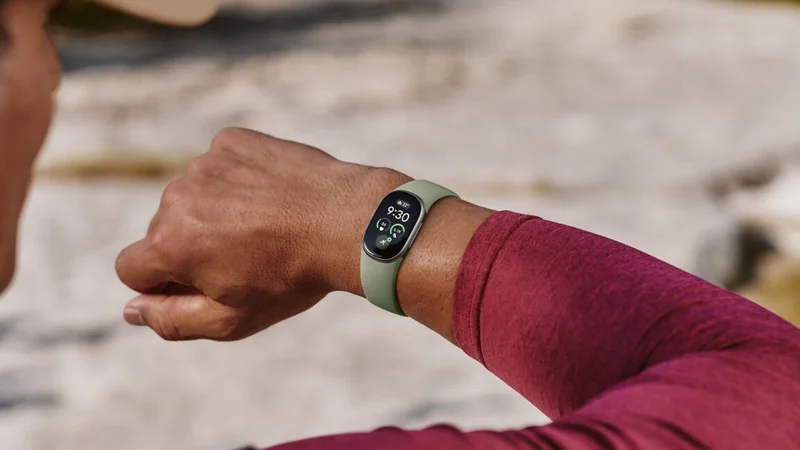
Is the Google Fitbit Air Waterproof? What to Know
Google's popular new fitness tracker offers solid protection against moisture, but it is important to understand the limits of its water resistance.
 Radwan AbdulhadiEditor and technology writer

Understanding Fitbit Air Water Protection
As one of the health tech scene's most popular new fitness trackers, the Google Fitbit Air has won people over for its array of insights, lightweight design and affordable, subscription-free pricing.
With its sleek design and 7-day battery life, you might think you can wear it almost anywhere. However, just because you can track your swimming session and break a serious sweat with your Fitbit on does not mean it is completely waterproof.
If you purchased a Google Fitbit Air before diving into the specifications, it is important to keep in mind that the device is merely water-resistant. This means you still get solid protection, but it is far from indestructible.

Water-Resistant Versus Waterproof Labels
The difference between water-resistant and waterproof has long confounded shoppers. In the era of splash-proof speakers, sweatproof headphones and various other consumer electronics, these labels can be even harder to follow.
Before you wear your wearable anywhere near water, it helps to understand what these terms mean, what your tracker can handle, and how to keep it intact over the long term.
Waterproof devices are impervious to water, regardless of the duration of immersion or depth. Realistically, most wearables do not meet that standard. Even major companies like Apple and Samsung, whose most rugged smartwatches offer water resistance for up to 100 meters, tend to avoid using the waterproof suffix entirely.
Plainly put, "waterproof" is a promise most electronics brands prefer not to make, as plenty of companies have faced lawsuits for misleading advertising showing users taking standard electronics into swimming pools.
Conversely, "water-resistant" keeps things transparent. The label indicates that a device can handle specific conditions—such as rain, sweat, or unexpected drops into puddles—provided it is only for a limited period of time.
Fitbit Air IP68 and 5 ATM Ratings Explained
The distinction between these classifications matters significantly for device durability. In the case of the Fitbit Air, its IP68 rating for dust and water resistance means it can handle up to an hour of continuous immersion beyond 1 meter, which translates to roughly 3.2 feet.
Separately, the tracker features a 5 ATM water resistance rating, indicating that it can handle 50 meters or approximately 150 feet of submersion under controlled test conditions.
With these specific ratings in place, the Fitbit Air should be able to withstand a lap or two in a shallow pool without sustaining permanent internal damage.
Exclusions and Cautions from Google
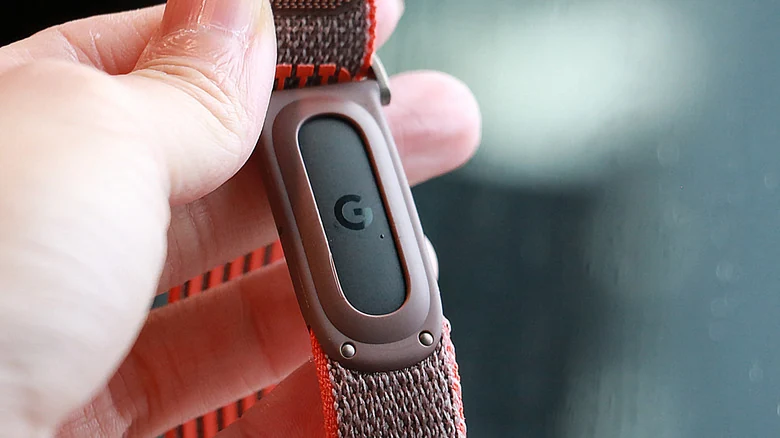
Despite its impressive ratings, Google advises users not to wear the Fitbit Air in hot tubs, saunas, or showers. Excessive heat can easily damage the delicate internal components and deform the casing.
In addition to thermal risks, bath soap and body washes can also compromise the integrity of the device over time, making it unwise to keep the tracker on during routine bathing routines.
Water resistance naturally wanes over time with normal wear and tear. However, owners can help preserve it by actively avoiding exposure to soaps, perfumes, lotions, insect repellent, and high-velocity water streams.
Over time, chemical exposures and harsh elements can wear down the specialized seals and adhesives that keep moisture out of the electronics housing.
While accidental drops are rarely planned, users should try to avoid dropping the device, as physical impacts can warp the frame or loosen the critical moisture seals.

Proper Post-Exposure Care
If you have gotten your Fitbit Air wet during a workout or swim session, you should take a moment to dry the band properly. Doing so benefits both your skin's health and the longevity of the tracker.
Thorough drying helps reduce the risk of trapped bacteria and subsequent skin irritation for the wearer. For the Fitbit itself, keeping the exterior clean and dry helps maintain its overall physical condition and operational integrity.
Sources
- EngadgetIs the Google Fitbit Air waterproof?
Continue chronologically


Related entity coverage
Related stories
Amazon Prime Day Wearable Deals Feature Apple, Google, Samsung
Explore the best Amazon Prime Day wearable deals on smartwatches and fitness trackers from Apple, Google, Samsung, and more before the sale ends.
Finding the Android Equivalent to the New iPhone Duo
Explore how the iPhone Duo compares to major Android foldables from Samsung, Google, and Motorola in display size, cameras, durability, and price.
iPhone Duo Packs Bigger Battery Than Fold 8 and Pixel Fold
Apple's iPhone Duo features a larger battery capacity than competitors like the Galaxy Z Fold 8 and Pixel 11 Pro Fold, according to EU energy labels.
Google Unveils Fitbit Edge to Fill Gap in Wearables Lineup
Google announces the Fitbit Edge, a new mid-range wearable bridging the gap between the Fitbit Air and Pixel Watch 5 with advanced health tracking.