Neuralink's Blindsight Ready for Regulatory Approval
Neuralink founder Elon Musk has provided an update on Blindsight, stating that the second product is engineering-ready and waiting on regulatory approval to help blind patients see.
 Radwan AbdulhadiEditor and technology writer
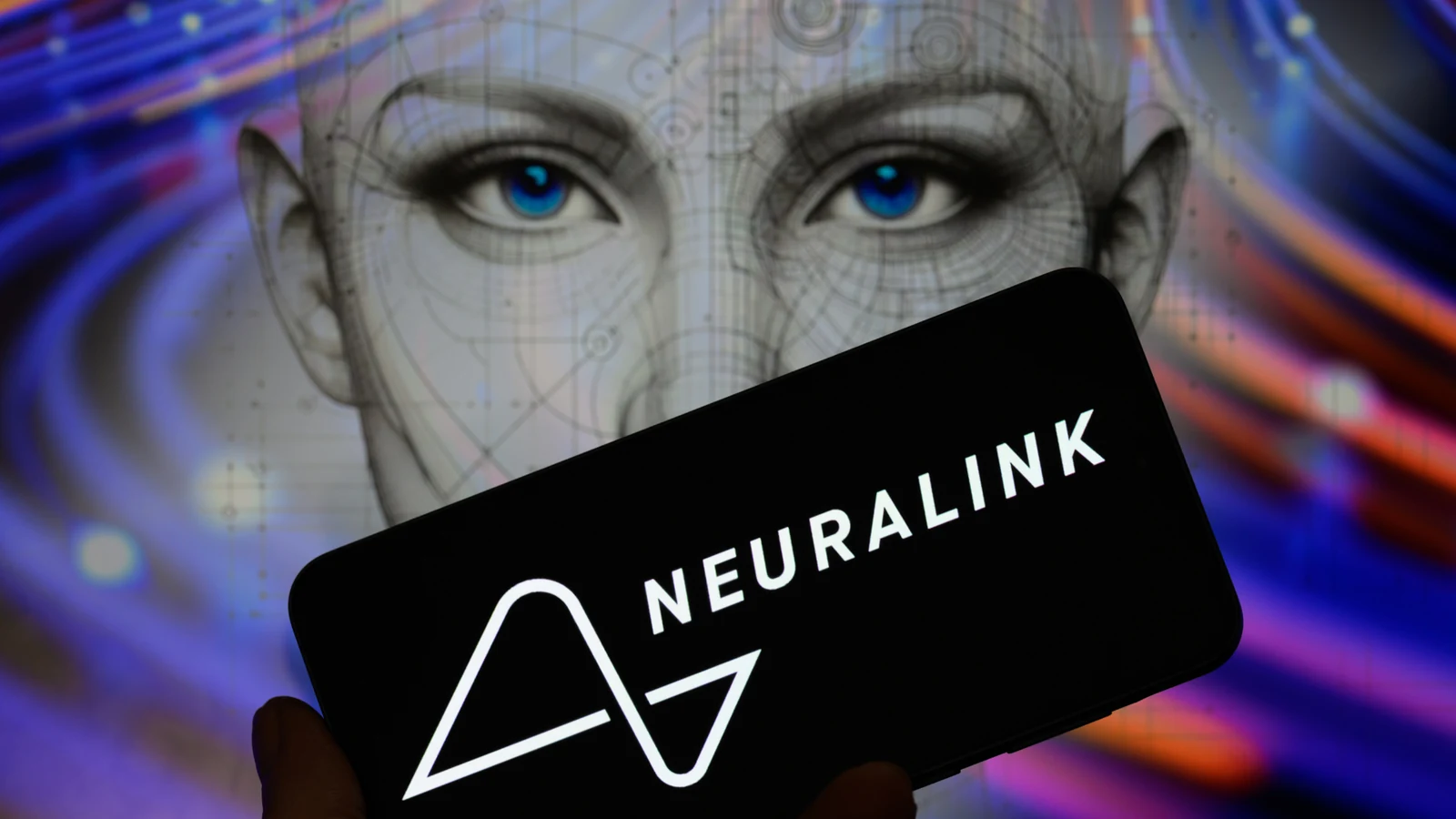
Neuralink's Blindsight Awaits Regulatory Approval
Elon Musk has shared a significant update regarding Neuralink's second product, known as Blindsight, which aims to bring sight back to blind patients. According to Musk, the technology is already ready from an engineering standpoint and is just waiting on regulatory approval.
The billionaire founder claimed that Blindsight will enable even those who are completely blind or have never seen to see. Neuralink has previously pushed various advancements in the brain-computer interface space, where patients have even been able to play World of Warcraft through a Neuralink brain implant.
Evolution of Neuralink's Brain-Computer Interfaces
Founded in 2016, Neuralink did not begin human clinical trials until 2024. Its early progress started small, with the first implantee initially moving a computer mouse cursor simply by thinking. The company has steadily advanced its technology since then.
Musk subsequently launched the company's first product, called Telepathy. Described as a high-speed communication tool, Telepathy enables users to interface with computers or humans via thought, with Musk asserting that output bandwidth will vastly exceed standard human typing speeds in the coming years.
How Blindsight Creates an Artificial Visual Pathway
While cochlear implants and sensory neuroprosthetics send signals from external sensors into the brain to let deaf patients hear or restore touch, Neuralink's Blindsight operates differently. It aims to build an artificial visual pathway.
Under this approach, a patient utilizes a camera to capture visual images. The system then converts those signals into information that the brain can understand using a brain-computer interface, distinguishing it from technologies that primarily focus on sending brain signals outward to control external machines.
Broader Landscape of Brain-Computer Interface Technology
Neuralink benefits heavily from substantial financial backing, but it is not the sole player in the brain-computer interface field. Other organizations are pursuing comparable technologies using different methods.
For instance, Meta is developing a non-invasive magnetoencephalography scanner that allows users to translate thoughts directly into keypresses. Meanwhile, Chinese firm NeuroXess, founded in 2021, has been accelerating its progress toward human clinical trials.
Potential Implications and Strategic Interest
Medical advancements in this sector could help individuals with limited mobility or those who have lost bodily control to regain their independence. By leveraging brain-computer interfaces, users can potentially operate machines purely through thought.
At the same time, remarks regarding high-speed human-to-human communication via thought indicate broader possibilities beyond mobility assistance. Nations are also paying attention; Beijing officially designated brain-computer interface technology as a nationally strategic sector, highlighting the growing global interest in the field.
Sources
- Tom's HardwareElon Musk says Neuralink is ready to cure blindness — says Blindsight will ‘enable even those who are completely blind or have never seen to see’
Continue chronologically

Related entity coverage
Related stories
TikTok Permanently Bans 'Musk' Documentary Advertising Account
TikTok permanently bans the advertising account for a four-hour documentary about Elon Musk, citing political content rules amid ongoing platform hurdles.
Meta and YouTube to Allow Ads for Alex Gibney 'Musk' Film
Meta and YouTube reversed decisions blocking ads for Alex Gibney's documentary on Elon Musk following initial political ad flags.
Judge Rules xAI Must Face NAACP Data Center Pollution Lawsuit
A federal judge denied xAI's request to dismiss an NAACP lawsuit over unpermitted gas turbines and Clean Air Act violations at its Memphis data center.
Grok Admits Its AI Odyssey Adaptation Is Not Accurate
Months after Elon Musk vowed that xAI would produce a historically accurate version of The Odyssey, the chatbot itself has admitted defeat.