Denmark Ends Microsoft Office Open-Source Pilot Project
A Danish government pilot project testing the open-source Collabora office suite as an alternative to Microsoft Office has reportedly collapsed in under six months following employee complaints.
 Radwan AbdulhadiEditor and technology writer
The Rise and Fall of Denmark's Open-Source Experiment
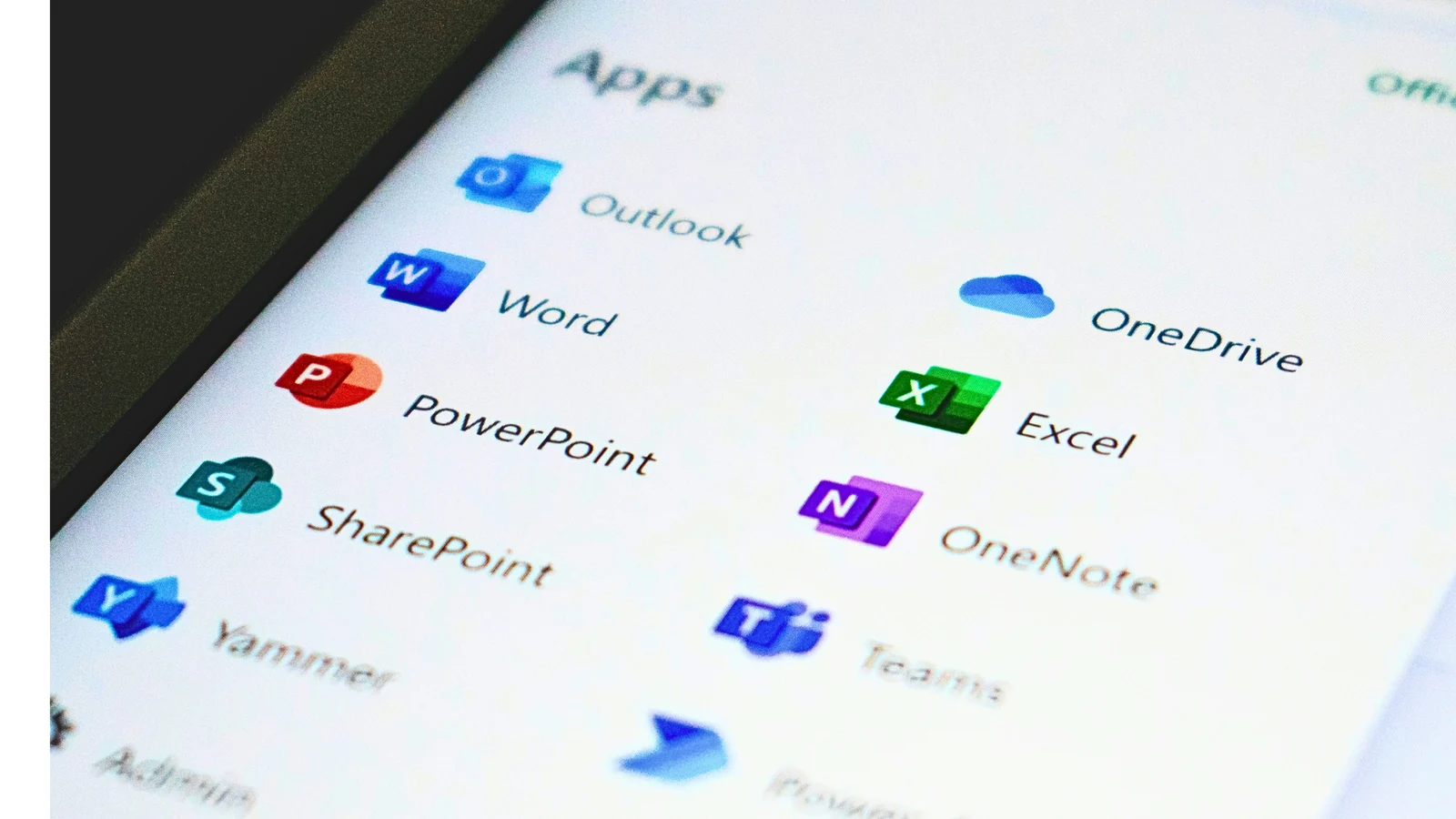
The Danish Ministry of Digitization—which has since been merged into the Ministry for Research, Education, and Digitization—reportedly ended its experiment to replace Microsoft Office with an open-source alternative. According to details covered by [Tom's Hardware](https://www.tomshardware.com/software/microsoft-office/denmarks-bid-to-ditch-microsoft-office-for-open-source-alternative-collabora-collapses-in-under-six-months-employees-cite-issues-with-style-formatting-and-tracking-changes), the pilot project began in 2025 and included 38 employees who shifted away from traditional programs like Word, PowerPoint, and Excel in favor of the British open-source Collabora office suite.
The pilot project was initially launched by the then Digitization Minister Caroline Stage as part of an effort to decrease the country's reliance on American technology. Denmark's move mirrors similar steps taken by other European nations, including France and the Netherlands, which have also explored replacing Microsoft Windows. However, the trial appeared to fizzle out in under six months, reportedly concluding before the Danish government called for an early election in February 2026.
Employee Frustrations and Formatting Hurdles
During the brief operational window, employees encountered several functional obstacles while utilizing the alternative software. Participants reported persistent issues regarding style and paragraph formatting, unexpected blank pages, and challenges related to tracking document changes.
Technical requirements also added complexity to the deployment. The chosen office alternative had to integrate seamlessly with the ministry's central case management system, known as F2. Despite these hurdles, public sector experts have noted a lack of formal assessment following the trial's termination.
Calls for Transparency and Evaluation
Months after the experiment reportedly ended, questions remain regarding how the project was handled and reviewed. Prof. Mikkel Flyverbom of the Copenhagen Business School expressed disappointment that the initiative has not undergone a formal evaluation.
In an email statement highlighted by [Tom's Hardware](https://www.tomshardware.com/software/microsoft-office/denmarks-bid-to-ditch-microsoft-office-for-open-source-alternative-collabora-collapses-in-under-six-months-employees-cite-issues-with-style-formatting-and-tracking-changes), Prof. Flyverbom noted that while testing alternatives through a pilot project is a positive approach, the ministry missed an opportunity to learn from the experience and share those insights across the wider public sector.
Broader Context of Open-Source Alternatives
Collabora is built on LibreOffice, recognized as a mature and popular open-source alternative to Microsoft's productivity suite. Yet, it remains unclear why the ministry restricted its testing exclusively to Collabora rather than evaluating other available options such as OnlyOffice, OpenOffice, or Calligra.
Although recent technology trends have introduced experimental AI-driven efforts to build open-source versions of subscription software like Microsoft 365 and the Adobe Creative Suite, government entities typically favor stable and reliable builds. With the apparent closure of the Danish experiment, the broader question of transitioning away from commercial office ecosystems in public administration faces renewed scrutiny.
Sources
- Tom's HardwareDenmark’s bid to ditch Microsoft Office for open-source alternative Collabora collapses in under six months
Continue chronologically


Related entity coverage
Related stories
Microsoft Office Alternatives Offer Free Ways to Edit Documents
Explore great free alternatives to Microsoft Office, including Office Online, OnlyOffice, and LibreOffice, to avoid costly software subscriptions.
Collabora RCE Flaw Exploited to Backdoor Nextcloud Servers
Threat actors are actively exploiting a critical command execution flaw tracked as CVE-2026-110447 in the Collabora Online built-in CODE server app for Nextcloud.
OpenAI Launches Office Features to Challenge Microsoft
OpenAI expands into workplace software at DevDay, introducing ChatGPT features like Space, Pages, and collaborative slides to compete with Microsoft.

Microsoft 365 Family Plan Drops to Shared 2TB Storage
Microsoft changes its 365 Family plan storage model from 1TB per member to a shared 2TB space, while keeping the pricing at $13 a month.